

You’ve been there. Waking up feeling heavy, experiencing that uncomfortable bloat after meals, or just generally sluggish. You suspect your gut might be the culprit, so you head online. Suddenly, you’re drowning in a sea of probiotics, prebiotics, enzymes, and a hundred other bottles promising a ‘happy gut.’ It’s overwhelming. Most people just grab the first popular option, hoping for the best, only to feel let down.
The truth is, while gut health supplements can be incredibly beneficial, they aren’t a one-size-fits-all magic pill. Picking the right one means understanding what your body genuinely needs and what scientific backing actually exists. I’ve spent countless hours sifting through studies, comparing labels, and even trying many myself to cut through the noise. Here’s a breakdown of what truly matters and what you should consider for your own gut health journey.
Why Your Gut Might Be Struggling (And What to Look For)
Before you even think about supplements, it’s critical to understand why your gut might be off balance. Often, the issues manifest in ways you might not immediately connect to your digestive system. Think of your gut as a delicate ecosystem; when it’s out of whack, the ripple effects can be surprisingly widespread.
Understanding your symptoms is the first step. Are you regularly constipated or experiencing loose stools? Do you feel gassy or bloated after eating certain foods? These are clear signals. But sometimes, the signs are less obvious, like persistent fatigue, skin breakouts, or even mood fluctuations. Your gut produces a significant portion of your body’s serotonin, for instance, so its health impacts more than just digestion.
Common Symptoms of an Unhappy Gut
Many people experience subtle, chronic symptoms that point to an imbalanced gut. These aren’t always debilitating, but they chip away at overall well-being. Look for patterns like:
- Digestive Discomfort: Frequent bloating, gas, cramps, or irregular bowel movements (both constipation and diarrhea).
- Energy Lulls: Persistent fatigue or brain fog, even after adequate sleep.
- Skin Issues: Unexplained breakouts, eczema, or other inflammatory skin conditions.
- Mood Changes: Increased anxiety, irritability, or low mood, which can be linked to the gut-brain axis.
- Food Sensitivities: New or worsening reactions to foods you once tolerated well.
Recognizing these patterns helps pinpoint if a gut-focused intervention is truly what you need. Without addressing the underlying cause, supplements often act like a band-aid rather than a solution.
The Root Causes Beyond Food
While diet is a huge factor, it’s not the only one. Stress, medication use (especially antibiotics), lack of sleep, and even environmental toxins can all disrupt your gut microbiome. For example, a course of antibiotics can wipe out beneficial bacteria along with the bad, leaving your gut vulnerable. Chronic stress triggers a ‘fight or flight’ response, diverting resources away from digestion and impacting microbial balance.
Knowing these non-dietary factors helps in building a holistic strategy. It’s not just about what you eat, but also how you live. Tackling these root causes alongside targeted supplementation can lead to more sustainable improvements in gut health.
Understanding Probiotics: Strains, CFUs, and Delivery
Probiotics are live microorganisms, often bacteria, that when administered in adequate amounts, confer a health benefit on the host. But not all probiotics are created equal. The market is saturated, making it hard to choose.
The key here isn’t just a high number of CFUs (Colony Forming Units), but the specific strains of bacteria and their ability to survive the harsh environment of your stomach acid to reach the intestines where they do their work. A probiotic with 100 billion CFUs might sound impressive, but if those bacteria die before they get to your colon, they’re useless.
Decoding Probiotic Labels: CFU Counts and Strain Specificity
When you look at a probiotic label, you’ll see a CFU count, usually in the billions. This number represents the amount of live, active organisms per serving. While higher numbers often suggest more robust supplementation, the specific strains are far more important. Different strains target different issues. For example:
- Lactobacillus rhamnosus GG: Well-researched for diarrhea prevention, especially antibiotic-associated diarrhea.
- Bifidobacterium lactis Bl-04: Often used for respiratory health and immune support.
- Lactobacillus plantarum 299v: Shown to help with bloating and abdominal pain in IBS sufferers.
A good multi-strain probiotic will often combine several of these well-researched strains to provide broader benefits. Don’t just pick based on the highest CFU count; scrutinize the strain list.
Shelf Stability and Storage: What Really Matters
Many probiotics require refrigeration because they contain live organisms sensitive to heat and moisture. However, advances in manufacturing mean some high-quality probiotics are now shelf-stable, utilizing specialized packaging or lyophilization (freeze-drying) techniques. Always check the storage instructions. A probiotic that promises billions of CFUs but isn’t stored correctly will rapidly lose its potency.
Another factor is the delivery mechanism. Some probiotics come in delayed-release capsules designed to protect the bacteria from stomach acid, ensuring more organisms reach the intestines intact. This can be a significant advantage over standard capsules, enhancing the efficacy of the supplement.
Probiotic Powerhouses: Comparing Top Contenders
Choosing a probiotic is highly individual, but some products consistently stand out for their robust research, effective formulations, and customer satisfaction. Here’s a look at some leading options and what makes them unique.
| Product Name | Key Strains | CFU Count | Price Range | Key Benefit |
|---|---|---|---|---|
| Seed DS-01 Daily Synbiotic | 24 probiotic strains + prebiotics | 53.6 Billion AFU* | $49.99/month (subscription) | Broad-spectrum digestive & systemic health |
| Culturelle Digestive Daily Probiotic | Lactobacillus rhamnosus GG | 10 Billion CFU | $25-$30 (30 caps) | Daily digestive support, immune health |
| Garden of Life Raw Probiotics Ultimate Care | 34 probiotic strains | 100 Billion CFU | $50-$60 (30 caps) | High potency, broad diversity |
| Physician’s Choice 60 Billion CFU Probiotic | 10 diverse strains | 60 Billion CFU | $20-$25 (30 caps) | Affordable, good strain diversity |
*AFU (Active Fluorescent Units) is a more precise measure of viable cells than CFU for some products.
Our Top Pick for Daily Maintenance
For most people seeking general daily gut health maintenance and support for overall well-being, the Seed DS-01 Daily Synbiotic is a standout, despite its higher price point. It’s not just a probiotic; it’s a synbiotic, meaning it combines broad-spectrum probiotics with a potent dose of prebiotics. Seed focuses heavily on clinical research for its specific strains and uses a unique two-in-one capsule system to ensure the probiotics survive digestion. Its 24 clinically studied probiotic strains and plant-based prebiotics offer a comprehensive approach, addressing everything from digestion to cardiovascular health and even skin health. The subscription model, around $49.99 per month, reflects the quality and research behind it.
Best for Post-Antibiotic Recovery
When recovering from antibiotics, you need a probiotic known for its resilience and ability to re-establish beneficial flora. The Culturelle Digestive Daily Probiotic, featuring Lactobacillus rhamnosus GG, is an excellent choice here. This single strain is one of the most studied in the world, particularly for its efficacy in preventing and treating antibiotic-associated diarrhea. At around $25-$30 for a 30-day supply, it’s an accessible and highly effective option specifically for restoring gut balance after medication that impacts your microbiome. Its stability means it doesn’t always require refrigeration, making it convenient.
Prebiotics: Fueling Your Gut’s Good Bacteria
While probiotics introduce beneficial bacteria, prebiotics are the non-digestible fibers that feed these good bacteria already residing in your gut. Think of them as fertilizer for your internal garden. Without adequate prebiotics, even the best probiotics might struggle to thrive and colonize.
You can get prebiotics from food, but supplementing can ensure you’re getting enough to make a real difference, especially if your diet isn’t consistently high in diverse fiber sources. The right prebiotic can significantly enhance the effectiveness of your probiotic regimen.
Natural Food Sources of Prebiotics
Incorporating more prebiotic-rich foods into your diet is a fundamental step for gut health. This natural approach supports a diverse microbiome without relying solely on supplements. Focus on:
- Garlic and Onions: These common kitchen staples are rich in fructans, a type of prebiotic fiber.
- Leeks and Asparagus: Excellent sources of inulin, another well-known prebiotic that stimulates the growth of Bifidobacteria.
- Bananas (especially slightly green): Contain resistant starch, which ferments in the large intestine, feeding beneficial bacteria.
- Oats: Beta-glucans in oats act as prebiotics, also beneficial for heart health.
- Apples: The pectin in apples serves as a prebiotic, supporting gut integrity.
- Chicory Root: One of the richest sources of inulin, often used in many prebiotic supplements.
Aim for a variety of these foods daily to provide a diverse fuel source for your gut microbes.
Supplementing Prebiotics: Key Ingredients
When food alone isn’t cutting it, prebiotic supplements can bridge the gap. Look for products containing these well-researched ingredients:
- Inulin: A common and effective prebiotic fiber derived from chicory root. It selectively stimulates the growth of Bifidobacteria. One good option is NOW Foods Inulin Powder, which costs about $10-$15 for a large container and can be easily mixed into drinks or food.
- Fructooligosaccharides (FOS): Similar to inulin, FOS is a shorter chain carbohydrate that also ferments in the gut to feed beneficial bacteria.
- Galactooligosaccharides (GOS): Often found in infant formulas, GOS promotes the growth of Bifidobacteria and Lactobacilli.
- Acacia Fiber: A gentler fiber that can be well-tolerated, often causing less gas and bloating than other prebiotics. Organic Acacia Fiber Powder from various brands typically costs $20-$30 for a large bag and is a versatile choice.
Start with a low dose and gradually increase it to avoid potential digestive discomfort, as some people can be sensitive to rapid increases in fiber intake.
Digestive Enzymes: A Targeted Approach for Specific Discomfort
Sometimes, the issue isn’t a lack of beneficial bacteria, but rather a struggle to break down food properly in the first place. This is where digestive enzymes come in. These are proteins that help your body break down fats, proteins, and carbohydrates into smaller, absorbable units. If your body isn’t producing enough of its own enzymes, food can pass undigested into the colon, leading to gas, bloating, and other discomforts.
While not a direct gut microbiome builder, digestive enzymes can significantly reduce the workload on your digestive system, preventing food from fermenting in undesirable ways and indirectly supporting a healthier gut environment. They are a targeted solution for specific symptoms, not a general gut health tonic.
When to Consider Enzyme Supplements
Digestive enzyme supplements aren’t for everyone, but they can be a if you experience specific symptoms:
- Post-Meal Bloating and Gas: If you feel uncomfortably full, gassy, or bloated soon after eating, especially large meals or specific food types.
- Indigestion: A feeling of food sitting heavy in your stomach or acid reflux-like symptoms not relieved by antacids.
- Specific Food Intolerances: If you struggle with lactose (dairy sugar), gluten (wheat protein), or complex carbohydrates (beans, cruciferous vegetables), and a doctor has ruled out allergies or celiac disease.
- Pancreatic Insufficiency: Though usually diagnosed medically, this is a clear indicator for enzyme supplementation.
- Aging: Natural enzyme production can decrease with age for some individuals.
It’s important to consult with a healthcare professional to determine if enzyme deficiency is truly the cause of your symptoms. They can help rule out more serious conditions.
Enzyme Products Worth Trying
When selecting a digestive enzyme supplement, look for broad-spectrum formulas that include enzymes for fats (lipase), proteins (protease), and carbohydrates (amylase). Some also include specific enzymes like lactase for dairy or alpha-galactosidase for legumes. My recommendation is to start with a comprehensive blend.
The NOW Foods Super Enzymes is an excellent value option, typically costing around $15-$20 for 90 capsules. It contains bromelain, ox bile, pancreatin, and papain, offering a robust blend for breaking down proteins, fats, and carbs. This product provides a strong, well-rounded approach for general digestive support.
Another strong contender is Doctor’s Best Digestive Enzymes ($20-$25 for 90 caps). This product offers a broad spectrum of vegetarian enzymes, which can be preferable for some individuals. It’s designed to support optimal digestion of fats, carbohydrates, and proteins, making it a versatile choice for a wide range of dietary needs.
Beyond the Basics: FAQs on Gut Supplementation
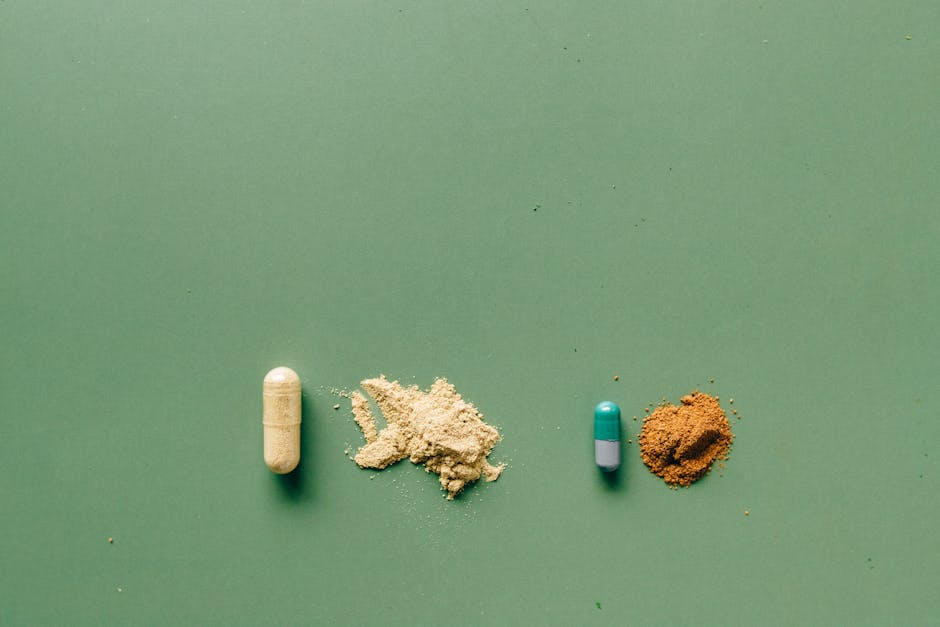
Navigating the world of gut health often leads to more questions than answers. Here are some common inquiries I encounter, offering clarity on topics beyond the main categories of probiotics, prebiotics, and enzymes.
Are All Fermented Foods Enough?
Fermented foods like sauerkraut, kimchi, yogurt, and kefir are fantastic for gut health. They naturally contain beneficial bacteria and often some prebiotics. However, they aren’t always enough to address specific gut imbalances or provide the concentrated, targeted strains found in high-quality supplements. The bacterial strains and CFU counts in fermented foods can vary wildly, and they might not always survive the digestive process as effectively as encapsulated probiotics engineered for survival. Think of fermented foods as an excellent daily habit for maintenance and diversity, but not necessarily a replacement for a targeted supplement if you’re experiencing specific issues or recovering from an imbalance.
What About Postbiotics?
This is a newer, exciting area in gut health. Postbiotics are the beneficial compounds produced by probiotics when they break down prebiotics and other fibers. Essentially, they are the ‘metabolic byproducts’ of healthy gut bacteria. Examples include short-chain fatty acids (like butyrate), enzymes, and peptides. The idea behind postbiotics is that you can get the benefits of a healthy microbiome without needing live bacteria. They are generally more stable than live probiotics and might be particularly useful for individuals with compromised immune systems or those who don’t tolerate live probiotics well. While research is still emerging, you’ll see more postbiotic products hitting the market, often focusing on specific compounds like tributyrin (a form of butyrate) which can support gut barrier function and reduce inflammation. It’s a promising frontier, but for now, traditional probiotics and prebiotics remain the most studied and widely recommended options.
The Future of Gut Health Supplements
The science of the gut microbiome is still rapidly evolving. We’re moving beyond a simple ‘good bacteria vs. bad bacteria’ narrative to a much more nuanced understanding of microbial ecosystems and their profound impact on human health. Expect to see highly personalized gut health solutions emerge in the coming years, potentially driven by advanced stool testing that can pinpoint individual microbial deficiencies and recommend specific strains or postbiotics. The days of generic probiotic blends might eventually give way to tailored prescriptions, making gut health interventions even more precise and effective.