
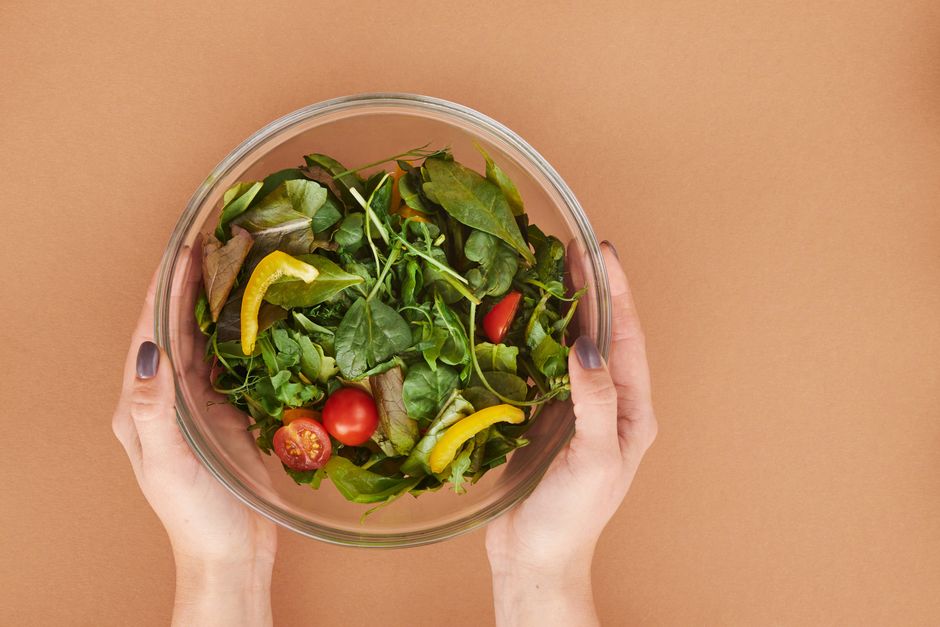
The best light summer salads with protein are not bowls of leaves with a few crumbs scattered on top. They have a clear protein portion, enough fiber to slow digestion, and a dressing that does not turn watery after ten minutes in the heat. These five recipes each deliver about 20 to 35 grams of protein per serving, take 30 minutes or less, and work well cold or at room temperature.
How the Five Salad Bases Compare
Use this table to pick a recipe by appetite, prep time, and storage needs. The protein estimates assume standard supermarket portions, so your numbers will move slightly with different brands and serving sizes.
| Salad | Protein per serving | Prep time | Best use | Main risk |
|---|---|---|---|---|
| Lemon tuna and white bean | 29 g | 10 minutes | No-cook lunch | Watery cucumber |
| Chicken quinoa Greek salad | 32 g | 25 minutes | Meal prep | Dry chicken |
| Edamame soba salad | 24 g | 20 minutes | Vegetarian lunch | Overcooked noodles |
| Salmon potato green bean salad | 30 g | 30 minutes | Full dinner | Soft potatoes |
| Chickpea lentil herb salad | 22 g | 15 minutes | Low-cost batch cooking | Flat flavor |
Pick by the problem you need to solve
Choose the tuna and bean version when the kitchen is too hot to cook. Choose chicken and quinoa when you want three reliable lunches from one cooking session. Edamame and soba offer the best vegetarian balance of protein and carbohydrates. Salmon and potatoes are the strongest dinner option because the meal has enough substance to stand alone. The lentil and chickpea salad wins on price and storage, but it needs acid, herbs, and salt to avoid tasting dull.
Do not confuse cold with automatically safe
A salad can be chilled and still become unsafe if it sits in a warm bag. Keep fish, chicken, eggs, yogurt, and cooked grains below 40 degrees Fahrenheit with ice packs, and refrigerate leftovers within two hours. If the temperature is above 90 degrees Fahrenheit, use one hour as the limit. The clear winner for a beach day is the bean-heavy salad packed in an insulated container, not a mayo-based bowl left in direct sun.
Recipe 1: Lemon Tuna and White Bean Salad
This is the fastest recipe in the group and the best choice when you need lunch immediately. It has salty fish, creamy beans, crisp vegetables, and enough acid to stay lively after chilling.
Ingredients and portions
- One 5-ounce can of tuna, drained. Safe Catch Elite Wild Tuna costs about $3.50 per can in many supermarkets and lists a 33-gram protein serving, though prices vary by store.
- Three-quarters cup canned cannellini beans, rinsed and drained. A 15.5-ounce can of Goya Cannellini Beans is usually about $1.50.
- One cup diced cucumber, one cup halved cherry tomatoes, and two tablespoons chopped red onion.
- One tablespoon olive oil, two tablespoons lemon juice, one teaspoon Dijon mustard, black pepper, and a pinch of salt.
Assembly and the clear verdict
Mix the lemon juice, mustard, oil, salt, and pepper in a bowl. Add the beans, tuna, onion, tomatoes, and cucumber, then fold gently so the fish keeps some texture. Finish with parsley or basil if available. The recipe makes one large serving or two lighter portions and provides about 29 grams of protein, depending on the tuna and bean brands.
Verdict: choose this one for a no-cook lunch under 10 minutes. The main failure mode is excess liquid. Drain the beans well, pat the cucumber dry, and add the dressing shortly before eating. For people who dislike canned tuna, replace it with 4 ounces of leftover roasted chicken, but the salad will lose some of its briny flavor and may need an extra teaspoon of lemon juice.
Recipes 2 and 3: Chicken Quinoa or Edamame Soba?
If you eat meat, the chicken quinoa salad is the stronger meal-prep pick. If you want a vegetarian bowl that still feels like lunch, choose edamame soba. These recipes solve different problems, so the useful comparison is texture, storage, and protein rather than a vague claim that one is healthier.
Chicken quinoa Greek salad
Cook 1/2 cup dry quinoa according to the package directions, then cool it fully. Toss 1 cup cooked quinoa with 4 ounces sliced chicken, 1 cup chopped tomato, 1/2 cup cucumber, 1/4 cup olives, 2 tablespoons crumbled feta, and a dressing made from lemon juice, olive oil, garlic, and oregano. Perdue Short Cuts Grilled Chicken Breast, sold in a 9-ounce pack for roughly $8, can reduce cooking time, but check the sodium label before using it. A homemade 4-ounce chicken breast gives better control over salt and usually provides about 30 grams of protein. Bob’s Red Mill Organic Quinoa, a 13-ounce bag often priced near $7, works well as the grain base.
Edamame soba salad
Boil 2 ounces dry soba noodles, rinse them under cold water, and drain thoroughly. Add 1 cup shelled edamame, 1 cup shredded cabbage, 1/2 cup grated carrot, and sliced scallions. Dress with one tablespoon low-sodium soy sauce, one tablespoon rice vinegar, one teaspoon sesame oil, and grated ginger. The bowl provides roughly 24 grams of protein and stays pleasant for one day in the refrigerator.
Verdict: chicken quinoa wins for three-day meal prep; edamame soba wins for a vegetarian lunch eaten within 24 hours. Do not overcook either base. Soft quinoa turns the Greek salad pasty, while overcooked soba sticks together and absorbs all the dressing. Cool cooked ingredients before sealing the container, and store the dressing separately when possible.
Recipes 4 and 5: Salmon Potato or Chickpea Lentil?
These two salads cover the biggest gap in many summer menus: a meal that feels like dinner without requiring a hot, heavy sauce. Salmon and potatoes deliver the most complete main meal. Chickpeas and lentils cost less and hold their texture better for batch cooking.
Salmon, potato, and green bean salad
Boil 8 ounces halved baby potatoes until just tender, about 12 to 15 minutes. Add 6 ounces trimmed green beans during the final 4 minutes. Drain and cool. Top two portions with 8 ounces cooked salmon, 2 tablespoons chopped parsley, and a dressing made from two tablespoons Greek yogurt, one tablespoon lemon juice, one teaspoon Dijon mustard, and one teaspoon olive oil. Chobani Plain Greek Yogurt, sold in a 32-ounce tub for around $6, makes the dressing tangy and adds a small amount of extra protein. Divide into two servings of about 30 grams of protein each.
Chickpea and lentil herb salad
Combine 3/4 cup rinsed chickpeas, 3/4 cup cooked green lentils, one cup diced tomato, 1/2 cup cucumber, 1/4 cup chopped parsley, and two tablespoons pumpkin seeds. Stir in one tablespoon red wine vinegar, one tablespoon olive oil, a grated garlic clove, cumin, salt, and pepper. The salad provides about 22 grams of protein per serving and keeps for up to three days when chilled promptly.
Verdict: salmon is the best dinner salad; chickpea lentil is the best budget batch salad. Do not use hot potatoes with delicate greens because they wilt quickly. Do not skip the vinegar in the lentil version. Beans need acid, herbs, and enough salt to taste vivid rather than dusty. If fish is outside your budget, use two boiled eggs per serving in the potato salad, but expect less protein.
Why Protein Salads Fail in Hot Weather
Why does the salad become watery?
Cucumber, tomatoes, and salt release water. Chop them shortly before serving, drain canned ingredients carefully, and keep dressing separate for packed lunches.
Why does a filling salad still taste flat?
It usually lacks acid or salt. Add lemon juice, vinegar, mustard, pickled onions, herbs, or a measured pinch of salt before adding more oil. Fat can soften sharp flavors, but it cannot replace them.
When should you skip a cold protein salad?
Skip it when you cannot keep it chilled, when the ingredients have already sat out for more than two hours, or when you need a meal that will survive a long hot commute without an insulated bag. A shelf-stable bean and grain bowl is safer than tuna or yogurt in those conditions.
The most reliable starting point is the lemon tuna and white bean salad: it has the shortest prep time, nearly 30 grams of protein, and no stove required. For three planned lunches, choose chicken quinoa. For a vegetarian option, edamame soba is the better texture-and-protein tradeoff. This is not financial advice; it is a practical food recommendation. Spend your effort on a measured protein portion, crisp vegetables, and enough acid to make the bowl taste fresh.
Always consult a qualified healthcare professional before making health-related decisions.