
Nearly half of all pregnant women in the United States gain more weight than medical guidelines recommend. Fewer than one in three land within the range appropriate for their pre-pregnancy body type. That gap matters — not for appearance, but because excess gestational weight gain is consistently linked to higher rates of cesarean delivery, gestational diabetes, and postpartum weight retention that can persist for years.
So the question most pregnant women actually have isn’t how to “lose weight” during pregnancy. It’s how to avoid gaining more than necessary while keeping both themselves and their baby healthy. Those are different goals — and conflating them is where things go wrong.
This article is for informational purposes only and does not constitute medical advice. Always consult your OB/GYN, midwife, or a registered dietitian before changing your diet or exercise routine during pregnancy.
Why “Losing Weight While Pregnant” Is the Wrong Frame
Doctors and midwives rarely recommend active weight loss during pregnancy — and for good reason. Your body is doing something metabolically extraordinary right now: building a placenta, expanding blood volume by up to 50%, growing amniotic fluid, and forming a complete human nervous system from scratch. Cutting calories below what that process requires doesn’t just affect you. It affects fetal brain development, organ formation, and birth weight.
But weight isn’t irrelevant. The goal most providers are aiming for is optimal weight gain management — gaining within a range that supports fetal growth without accumulating excess fat that raises complication risk.
For women with a higher pre-pregnancy BMI, some providers may be comfortable with the lower end of the recommended gain range. In rare clinical situations — women with severe obesity under supervised medical care — minimal net gain across all three trimesters may be appropriate. This is not a DIY decision. Research has generally found that aggressive caloric restriction during pregnancy, even in women with obesity, is associated with adverse fetal outcomes including intrauterine growth restriction.
What evidence does support: replacing calorie-dense, nutrient-poor foods with nutrient-dense alternatives, staying active with appropriate exercise, and managing fluid retention. These approaches can slow the rate of gain without restricting what the developing baby needs.
The reframe that matters: you’re not trying to shrink. You’re trying to gain strategically. That shift in framing changes what tools you reach for and what you track week to week.
Weight gain during pregnancy is also rarely linear. Many women lose 2–5 pounds during the first trimester due to nausea and food aversions. Gaining that back in weeks 14–20 isn’t excess accumulation — it’s recovery. Tracking total gestational gain from your pre-pregnancy baseline, rather than week-to-week fluctuations, gives a far more accurate picture of where you actually stand.
How Much Weight You Should Actually Gain
The American College of Obstetricians and Gynecologists bases its recommendations on pre-pregnancy BMI. These are the targets your provider is typically using at prenatal appointments:
| Pre-Pregnancy BMI Category | BMI Range | Recommended Total Gain | Rate in 2nd & 3rd Trimester |
|---|---|---|---|
| Underweight | Below 18.5 | 28–40 lbs (13–18 kg) | Approx. 1 lb per week |
| Normal weight | 18.5–24.9 | 25–35 lbs (11–16 kg) | Approx. 1 lb per week |
| Overweight | 25.0–29.9 | 15–25 lbs (7–11 kg) | Approx. 0.6 lbs per week |
| Obese | 30 or above | 11–20 lbs (5–9 kg) | Approx. 0.5 lbs per week |
| Twin pregnancy (normal BMI) | 18.5–24.9 | 37–54 lbs (17–25 kg) | Approx. 1.5 lbs per week |
Women who gain within their recommended range typically have lower rates of gestational diabetes, preeclampsia, and cesarean delivery. Their babies are also less likely to be born large for gestational age — a risk factor for childhood obesity that extends well past birth.
If you’re tracking consistently above these numbers at appointments, start with a direct conversation with your provider. Not a calorie-cutting plan you found online.
Food Strategies That Support Healthy Weight Gain
Pregnancy nutrition isn’t about eating less. It’s about crowding out low-quality calories with high-quality ones. Here’s what that looks like in practice:
- Front-load protein at every meal. Protein is the most satiating macronutrient and directly supports fetal muscle development. Aim for 70–100g per day depending on your weight. Greek yogurt (17g per cup), eggs (6g each), lentils (18g per cup cooked), and salmon (25g per 3oz serving) are reliable, pregnancy-safe sources.
- Replace refined carbs with complex ones. White bread, pastries, and sweetened beverages spike blood sugar and contribute to excess gain without nutritional return. Oats, quinoa, sweet potatoes, and legumes provide comparable energy with significantly more fiber and micronutrients.
- Don’t skip meals to compensate. Skipping breakfast or lunch rarely prevents weight gain — it typically leads to overeating at dinner and worse blood sugar regulation throughout the day. Consistent small meals every 3–4 hours are more effective for managing total caloric intake.
- Watch liquid calories closely. Fruit juices, sweetened lattes, and commercial smoothies can add 300–500 calories per day without triggering fullness. Water and pregnancy-safe herbal teas are better defaults. Apps like Ovia Pregnancy and MyFitnessPal (pregnancy mode) can help track intake without veering into obsessive calorie-counting.
- Take a quality prenatal vitamin consistently. Supplements like Garden of Life MyKind Organics Prenatal and Nature Made Prenatal Multi fill nutritional gaps in folate, iron, DHA, and choline — which reduces the body’s tendency to seek additional food to compensate for deficiencies it can’t identify by name.
The actual caloric math: most guidelines suggest adding only about 300–350 extra calories per day starting in the second trimester. That’s roughly a small handful of almonds and a cup of yogurt. Far less than the mythology of “eating for two.”
Safe Exercise During Pregnancy: Straight Answers
Is walking enough to make a real difference?
Yes — and it’s the single most consistently recommended form of exercise across all three trimesters. A 30-minute brisk walk burns roughly 150–200 calories and supports cardiovascular health without joint stress. The American College of Obstetricians and Gynecologists recommends at least 150 minutes of moderate aerobic activity per week for pregnant women without complications. Walking meets that threshold without equipment or a gym. If you were sedentary before pregnancy, start at 15 minutes per session and build gradually.
What about strength training — is it actually safe?
Resistance training is generally safe during pregnancy for women who were already doing it, and can be started at a modified level by beginners. Focus on bodyweight exercises, light-to-moderate dumbbells, and resistance bands. Exercises that keep you upright or on all fours — squats, modified push-ups, resistance band rows — are typically safer in the second and third trimester than sustained back-lying positions, which can compress the inferior vena cava after 16 weeks. The Expecting and Empowered app ($34.99) was developed by pelvic floor physiotherapists and OBs specifically for prenatal strength training and is one of the more clinically grounded options currently available.
Which exercises should be avoided entirely?
Contact sports, activities with significant fall risk (skiing, road cycling, horseback riding), hot yoga, and exercises requiring sustained flat-on-back positions after 16 weeks are flagged by most providers. High-intensity interval training may be appropriate if you were doing it pre-pregnancy, but shouldn’t be started from scratch during pregnancy. Any exercise causing shortness of breath severe enough to prevent normal conversation, dizziness, or pelvic pain should stop immediately and be discussed at your next appointment.
The Mistakes That Derail Pregnancy Weight Management
Most excess gestational weight gain comes from a handful of predictable, fixable patterns — not personal failure.
Treating “eating for two” as a calorie license. The average pregnant woman needs only 300 extra calories per day in the second trimester. That’s not a second dinner — it’s an apple and a slice of whole-grain toast. Women who internalize the “eating for two” framing gain an average of 11 lbs more than those who understand the actual math.
Eliminating all “bad” foods and then binging. Restrictive eating during pregnancy fails the same way it does outside of it. Swearing off all sugar and refined carbs at week 12 makes a 3,000-calorie correction far more likely by week 14. A more durable approach: keep the foods you love, reduce their frequency, and pair them with protein to blunt blood sugar spikes.
Stopping exercise entirely “to be safe.” Unless your provider has recommended pelvic rest or activity restrictions due to a specific complication, exercise is not a risk during pregnancy — it’s a benefit. Becoming sedentary “for the baby” typically worsens weight gain, increases back pain, and raises gestational diabetes risk.
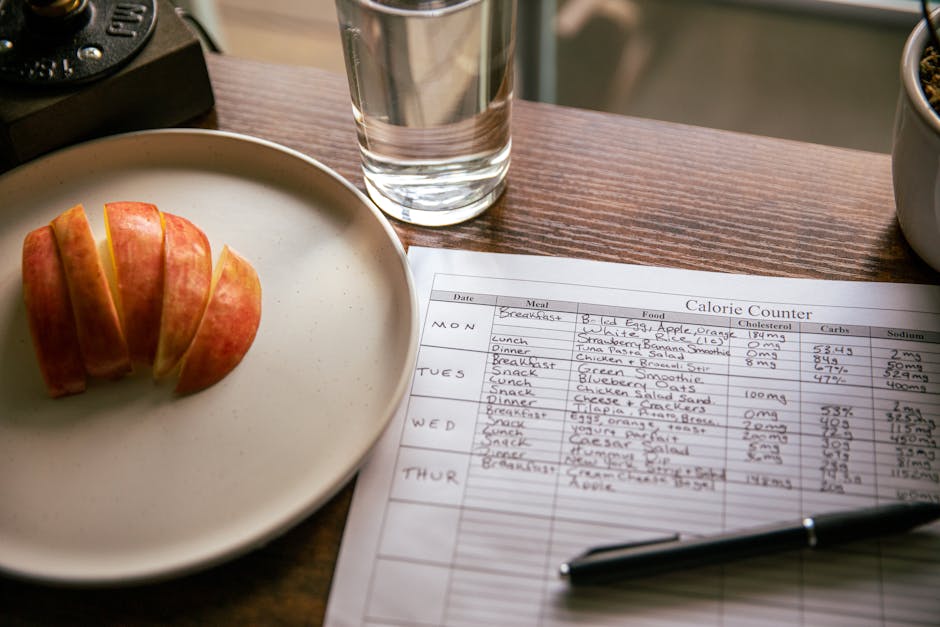
Not tracking anything at all. You don’t need to obsess over every calorie. But having no awareness of what you’re eating makes patterns invisible. Even a rough food log — in an app or on paper — helps identify where excess gain is actually coming from, week to week.
Trimester-by-Trimester Weight Management
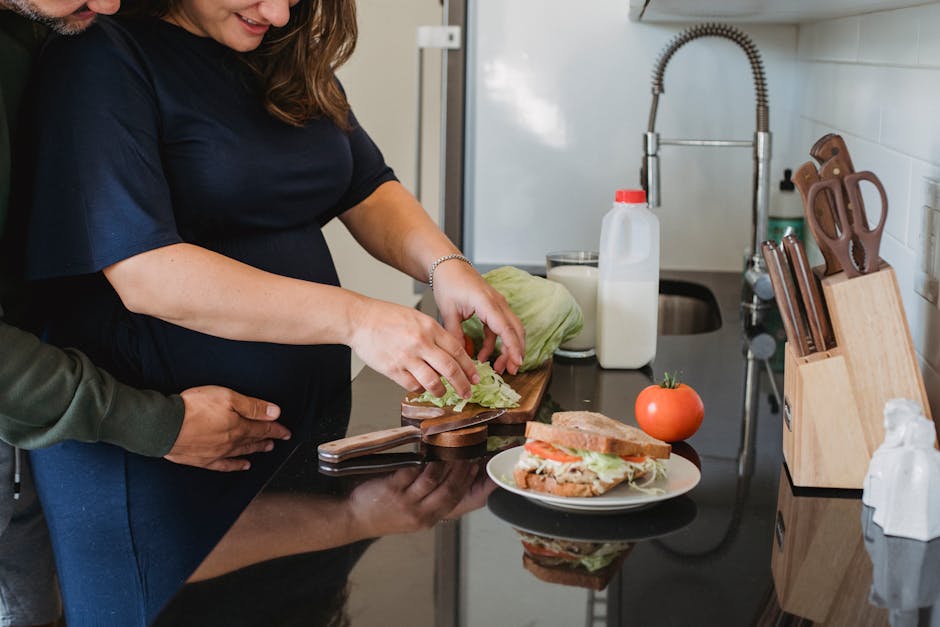
Pregnancy is not one static metabolic state. Your nutritional needs, physical capacity, and the risks associated with weight gain change meaningfully across each stage.
In the first trimester, most women don’t need any additional calories at all. Nausea and food aversions are common, and mild weight loss is normal. The priority here isn’t gaining — it’s getting adequate folate and not entering the second trimester nutritionally depleted. If nausea is severe, focus on whatever you can keep down and discuss supplementation with your provider rather than forcing specific foods.
The second trimester is where appetite returns and weight gain accelerates. This is also where the practical work on food quality and exercise habits pays the most dividends. The fetus is growing rapidly but still relatively small — the 300-calorie daily addition becomes appropriate here. Protein and iron are especially important as blood volume expands significantly. Walking and prenatal strength work are generally well-tolerated through weeks 28–30 for most women without complications.
By the third trimester, physical activity gets harder but remains valuable. Swelling, water retention, and the mechanical demands of carrying additional weight forward make many exercises uncomfortable. Prenatal yoga, swimming, and aqua jogging reduce joint load while keeping circulation active. Research has generally found that women who maintain some form of low-impact activity through the third trimester have shorter labor durations and faster postpartum recovery timelines — two outcomes that affect quality of life well beyond delivery day.
When Weight Gain Requires a Medical Conversation
If you’re gaining more than 6–8 pounds per month in the second or third trimester, or you experience sudden rapid gain — 5 or more pounds in a single week — speak with your provider before adjusting your diet on your own. Rapid gain in late pregnancy can indicate fluid retention tied to blood pressure changes, not simply caloric intake. That distinction requires a clinical assessment, not a food diary.
Nearly half of pregnant women gain more than recommended — the same statistic this article opened with — and it isn’t a moral indictment. It reflects a gap between the guidance women receive and the practical tools they have to act on it. The women who manage gestational weight most successfully tend to share one trait: they know their target range early, they track loosely throughout, and they adjust course in the second trimester rather than trying to compensate in the third when options narrow considerably. Starting with those three habits — knowing your number, loose tracking, early correction — closes most of that gap.
Medical Disclaimer: This content is for informational purposes only and does not constitute medical advice. Always consult a qualified healthcare professional before making health-related decisions.