
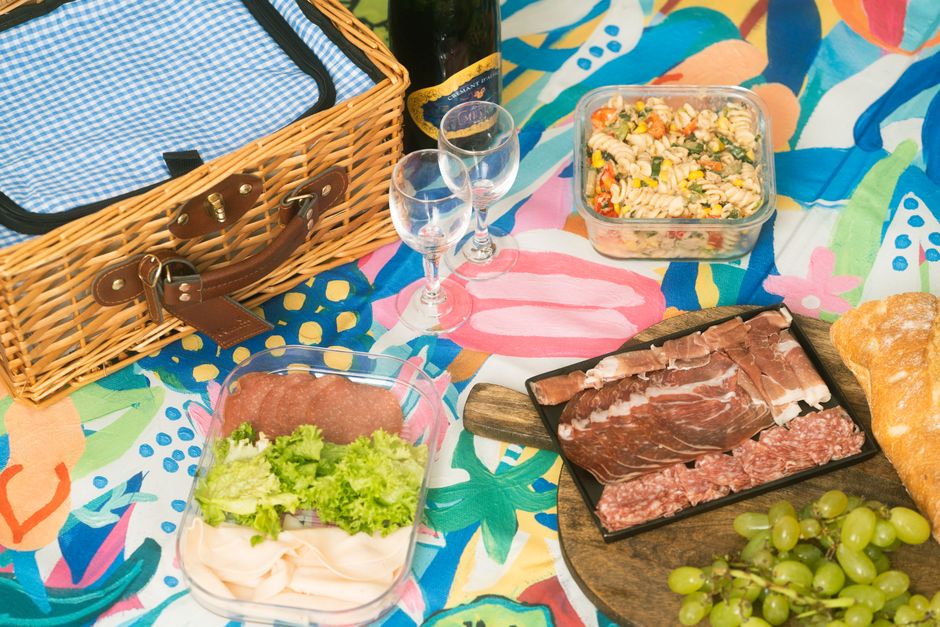
Bacteria can double in as little as 20 minutes when food sits in the danger zone between 40°F and 140°F. That is why my best late-summer picnic menus are built around timing first, recipes second. I keep cold dishes cold, grill only what improves over direct heat, and bring food that still tastes good after an hour outside.
Why late-summer picnic food needs a cold-to-hot plan
The real problem is temperature, not calories
A picnic can contain lean protein, whole grains, and plenty of vegetables and still become unsafe if it sits in the sun. Cold foods should stay at or below 40°F. Hot foods should stay at or above 140°F. Perishable food should not sit at room temperature for more than two hours, or more than one hour when the outdoor temperature reaches 90°F.
That rule changes how I cook. I do not put the entire meal on the table at once. I bring small portions, hold the second portion in the coldest part of the cooler, and refill the serving bowl only when people are ready to eat. The result is less waste and better texture. Nobody gets a warm bowl of yogurt sauce that has been sitting beside the grill since noon.
Build contrast into the menu
Healthy outdoor food needs contrast: something crisp, something smoky, something acidic, and something filling. A plate built only from grilled vegetables feels flat after a few bites. A plate built only from meat and bread feels heavy in the heat.
My reliable structure is one lean protein, two vegetables, one bean or whole-grain side, and fruit. Try lemon-herb chicken skewers, grilled zucchini, a chilled black-bean and corn salad, and watermelon with lime. Each item has a different temperature and texture, so the meal stays interesting without relying on creamy sauces or heavy desserts.
Use a two-stage serving window
Pack the cold dishes in shallow containers so they chill quickly and stay easy to serve. Put the first portion out when the grill is ready, then replace it with a fresh portion halfway through the meal. Keep raw meat sealed separately from ready-to-eat food, and use different tongs for raw and cooked ingredients.
This system takes a little more planning, but it solves the most common picnic failure: making one giant bowl of food and hoping the weather cooperates. Heat is not a minor detail. It is part of the recipe.
Healthy picnic recipes compared by heat tolerance and effort
Choose recipes that improve during the trip
I prefer recipes that can sit briefly without losing their structure. Vinegar-based dressings, sturdy vegetables, beans, and whole grains travel better than delicate greens or mayonnaise-heavy salads. The chart below is the menu I would use for six people on a warm afternoon.
| Recipe | Prep time | Travel limit | Best serving temperature | Why it works |
|---|---|---|---|---|
| Lemon chicken skewers | 25 minutes plus 30 minutes marinating | Serve hot or within 1 hour | 165°F internal temperature | Lean protein with charred edges and simple seasoning |
| Black-bean corn salad | 15 minutes | Keep chilled; serve within 2 hours | Cold | Fiber-rich, filling, and sturdy enough for transport |
| Grilled zucchini with herbs | 12 minutes | Best within 90 minutes | Warm or room temperature | Needs little oil and holds its shape |
| Whole-grain tabbouleh | 20 minutes | Keep chilled; serve within 2 hours | Cold | Parsley, tomato, lemon, and bulgur stay bright |
| Watermelon with lime | 8 minutes | Keep chilled; serve within 2 hours | Cold | Hydrating, naturally sweet, and no added sugar needed |
The best batch-cooking order
Make the bean salad and tabbouleh first because their flavors improve after 30 minutes. Cut the watermelon next and keep it chilled. Marinate the chicken, then grill the zucchini while the chicken rests. That order prevents the common mistake of cooking the protein too early and serving it dry.
For a lower-carb plate, replace the bulgur with chopped cucumber and parsley. For a vegetarian barbecue, use grilled tofu or thick portobello caps in place of chicken. The structure stays the same: one satisfying center, two fresh sides, and fruit.
The outdoor cooking tools I actually bring
My firm pick is a thermometer before a fancy grill.
A perfectly seasoned chicken skewer is still a failure if the center is undercooked or dry from guesswork. The ThermoWorks Thermapen ONE reads in one second or less and is rated to ±0.5°F. Its listed price was $76.30 when I checked, with a regular price of $109. It is expensive for a thermometer, but this is the tool I would buy first because it prevents both unsafe food and overcooked meat.
For a portable grill, choose control over size
The Weber Q 1200 is my practical portable-grill choice for a small group. It has a 43 x 32 cm cooking area, one stainless-steel burner rated at 2.49 kW, and a built-in lid thermometer. The closed dimensions with tables extended are about 39.4 x 103.9 x 42 cm. It is large enough for a family batch but still manageable for a park or patio setup. I would not buy it for a crowd of 12 unless I planned to cook in waves.
Use the cooler as a food-safety tool
The Coleman 316 Series 100-Quart Wheeled Cooler holds up to 80 cans and 50 pounds of ice, with a listed exterior size of 36.9 x 17.3 x 18 inches. That is more cooler than two people need, but it earns its space for a group picnic because cold food, drinks, and ice can stay separated. For a small gathering, a smaller cooler is easier to keep full and cold. Do not buy the 100-quart model just because the capacity sounds impressive.
Carry water in a bottle you will actually refill
The 32-ounce Hydro Flask Wide Mouth is listed at $44.95 and gives each person nearly a liter of water before a refill. I prefer that size over a tiny bottle because it reduces the number of sugary drinks people grab when the afternoon gets hot. Keep it for water rather than carbonated drinks; the manufacturer warns that carbonated beverages can build pressure.
What should you grill, chill, and serve first?
Should chicken or vegetables go on the grill first?
Grill vegetables first if you want to serve them warm, then cook chicken and let it rest while you finish the table. Zucchini, peppers, and onions tolerate a short wait. Chicken loses moisture faster when it sits, so I serve it within 10 minutes of reaching 165°F. If the menu includes fish, cook it last because its texture changes quickly once it cools.
Can a healthy picnic include bread or dessert?
Yes. I would rather add one good whole-grain roll or a small piece of focaccia than make the meal so restrictive that people fill up on chips later. For dessert, watermelon, peaches, or berries provide sweetness and water without needing frosting. A small oatmeal cookie also fits; the useful goal is a balanced plate, not a food morality test.
How much food should I make?
For six adults, I plan about 6 ounces of raw boneless protein per person, 3 cups of cooked beans or grains total, 6 to 8 cups of vegetables and fruit, and 6 small pieces of bread or a similar starch. That leaves enough for normal appetites without creating a container of leftovers that sits warm for hours. Pack extra cold fruit before extra cooked meat because fruit is easier to save safely.
Late-summer picnic mistakes that ruin good food
Do not trust smell, shade, or a tight lid
Food can look and smell normal while unsafe bacteria multiply. Shade slows heating but does not replace ice. A sealed container prevents spills but does not keep food cold by itself. Use time and temperature as your guide, not your senses.
Do not make these five mistakes
- Putting raw chicken beside cut fruit in the same cooler compartment.
- Adding dressing to leafy greens several hours before serving.
- Leaving the entire meal on the table while people return for seconds.
- Using one pair of tongs for raw meat and cooked food.
- Cooking chicken by color instead of checking the thickest piece with a thermometer.
The menu I would pack tomorrow
I would bring lemon chicken skewers, black-bean and corn salad, grilled zucchini, whole-grain tabbouleh, watermelon with lime, and cold water. I would chill the salads, grill the protein at the destination, and serve the food in two waves. That menu delivers fiber, protein, vegetables, fruit, and enough smoky flavor to feel like a barbecue without turning the picnic into a plate of heavy sides.
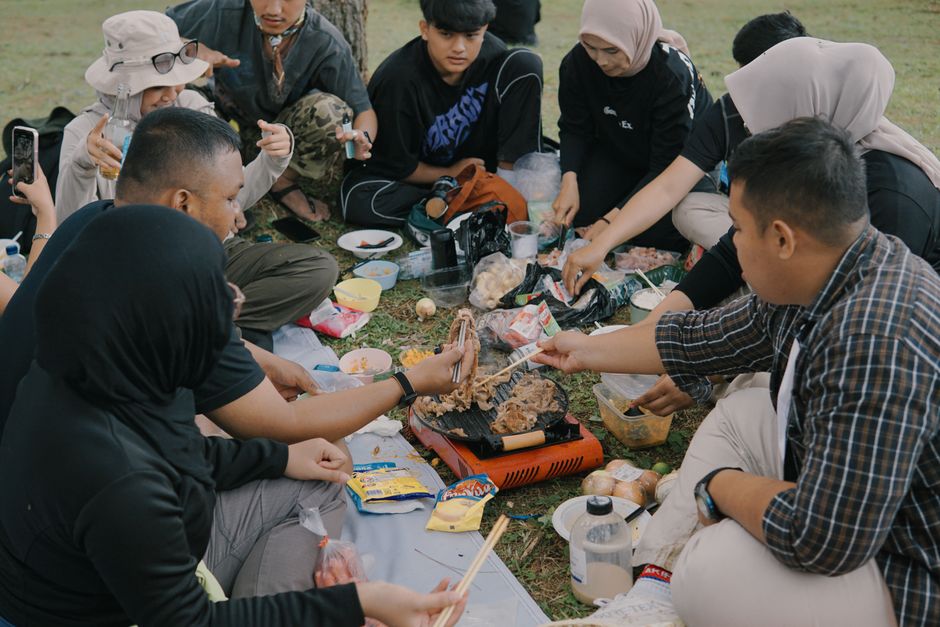
That is the fix for the hot-afternoon scene that usually goes wrong: a warm cooler, tired lettuce, and chicken that sat too long. Keep the cold food cold, cook one centerpiece well, and refill small portions instead of gambling on one large spread. The blanket can stay in the sun; the food does not have to.
Always consult a qualified healthcare professional before making health-related decisions.