
You sleep eight hours, eat a decent breakfast, and still wake up with a scratchy throat after three coworkers start coughing. That frustration makes cold-season marketing tempting: one powder, capsule, or gummy promises a stronger immune system by tomorrow. The useful answer is less dramatic. Your immune system works best when you reduce the number of germs reaching you, support basic recovery, and act early when illness begins.
What does the immune system need during cold season?
The best cold-season plan is not an attempt to “boost” immunity above normal. An overactive immune response can create its own problems, while a weak response may struggle to clear an infection. The practical goal is steadier immune function: healthy skin and airway barriers, enough energy to make and move immune cells, and a trained response to specific diseases through vaccination.
Start with the barrier, not a bottle
Your nose, mouth, lungs, skin, and digestive tract form the first line of defense. Indoor crowding, poor ventilation, cigarette smoke, dry irritated airways, and close contact with sick people can increase exposure or make breathing passages less comfortable. Opening a window, improving airflow, and avoiding smoke address the problem closer to its source than a late-night supplement order.
Food gives immune cells the raw materials
Immune cells need protein, calories, vitamins, minerals, and water. That does not mean a special “immune diet.” It means regular meals built around foods such as beans, eggs, yogurt, fish, poultry, tofu, vegetables, fruit, whole grains, nuts, and seeds. A restrictive diet, heavy alcohol use, or months of poor appetite can create gaps that a multivitamin may not fully correct.
Vaccines do a job habits cannot
Sleep and exercise support broad health, but they do not train your body to recognize a specific influenza, COVID-19, or RSV threat. Recommended vaccines provide that targeted learning without requiring you to endure the full infection. Check the current schedule with a clinician or pharmacy, especially if you are pregnant, older, immunocompromised, or living with a chronic heart, lung, kidney, or metabolic condition. The CDC respiratory-virus prevention guidance is a better starting point than a supplement advertisement.
Which daily habits lower respiratory-virus risk?

Cleaner indoor air is the strongest practical upgrade for most households. Respiratory viruses can build up in crowded indoor spaces, so exposure control deserves more attention than wiping every object in the room. Use this short routine when illness is spreading around work, school, or home.
A seven-step cold-season routine
- Improve airflow. Open windows when outdoor conditions allow, run the HVAC fan when appropriate, or use a portable air cleaner sized for the room.
- Move gatherings outdoors. A short walk or patio conversation creates more air movement than a closed living room.
- Stay away from people who are clearly sick. Distance matters most during close, prolonged indoor contact.
- Wear a well-fitting mask in high-risk settings. Use one in crowded transport, busy clinics, or around someone vulnerable when respiratory viruses are circulating heavily.
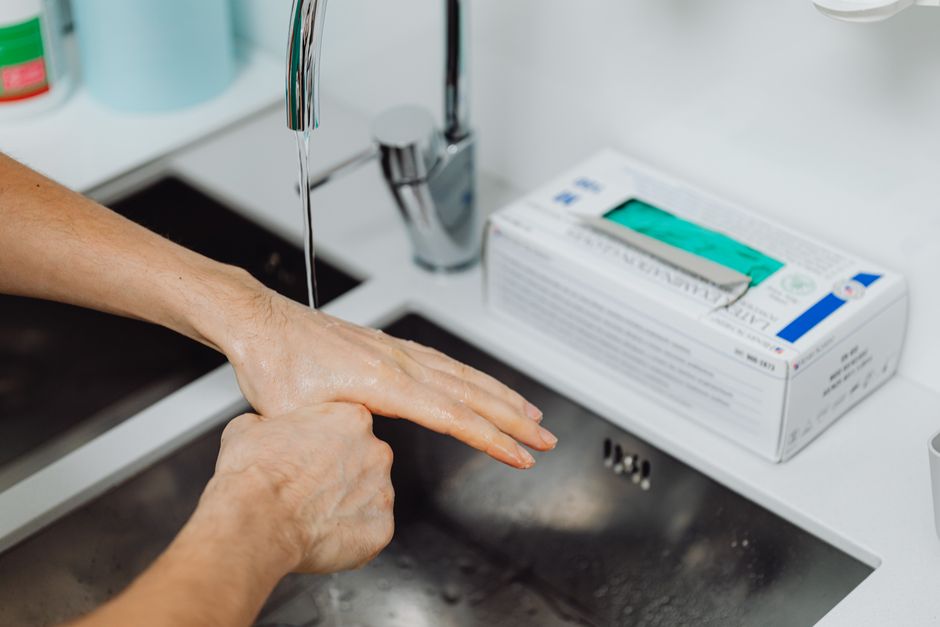
- Wash your hands for at least 20 seconds. Do it after public transport, before eating, after blowing your nose, and after caring for someone who is ill.
- Use sanitizer correctly. Choose a product with at least 60% alcohol when soap and water are not available, and cover all hand surfaces.
- Stay home when sick. Returning to normal activities while feverish or worsening spreads risk through the people closest to you.
Where people waste effort
Constantly disinfecting an untouched countertop while sharing a small, poorly ventilated room with a coughing person is a poor trade. Clean frequently touched surfaces when someone in the home is ill, but put your main effort into air, distance, hand hygiene at the right moments, vaccination, and staying home during the contagious phase.
How much sleep, food, and activity support immunity?

The winning plan is boring and repeatable: protect sleep, eat enough, move regularly, and stop treating exhaustion as proof of discipline. These targets give adults a usable baseline, not a promise that illness becomes impossible.
A realistic weekly baseline
| Habit | Useful target | Cold-season action |
|---|---|---|
| Sleep | At least 7 hours for most adults | Keep a steady wake time and move caffeine earlier if it delays sleep. |
| Moderate activity | 150 to 300 minutes each week | Walk briskly for 30 minutes on five days, or split movement into shorter blocks. |
| Strength work | At least 2 days each week | Use bodyweight exercises, resistance bands, or weights for major muscle groups. |
| Meals | Protein plus plants at regular meals | Add beans, eggs, fish, yogurt, tofu, vegetables, fruit, and whole grains instead of relying on a powder. |
| Smoking | Zero cigarette smoke exposure | Use a quit plan and ask a clinician about medicines or counseling that improve success. |
Do not turn the target into another stressor
Do not force a hard workout through fever, chest symptoms, dizziness, or unusual shortness of breath. A gentle walk may be fine during a mild illness, but recovery takes priority when your body is clearly struggling. The same rule applies to food: one missed “perfect” meal does not weaken your immune system overnight. A stable pattern across weeks matters more than a heroic day.
Do vitamin C, vitamin D, and zinc prevent colds?
Verdict: supplements can fill a documented gap, but they are not a cold-season shield. The evidence is strongest against treating a branded drink or lozenge as a substitute for vaccines, sleep, cleaner air, or medical care. Prices below are U.S. retail snapshots and are included for context, not as buying recommendations.
Does vitamin C stop a cold?
No. Regular vitamin C may modestly shorten a cold for some people, especially when intake is low, but taking it after symptoms begin does not show a consistent benefit. Emergen-C Vitamin C Drink Mix provides 1,000 mg per packet; a 30-packet box has recently appeared around $15.99 at major retailers. That price buys a flavored supplement, not proof that the product prevents infection. Food sources such as oranges, peppers, broccoli, kiwi, and strawberries can provide vitamin C without making a high-dose powder the center of your routine.
Should you take vitamin D every winter?
Vitamin D matters for normal immune function, but a supplement makes the most sense when a clinician identifies low levels, dietary risk, limited sun exposure, or another reason to use it. Nature Made Vitamin D3 1,000 IU, or 25 mcg, in a 100-softgel bottle lists around $8.59 on the brand site. That is a specific, modest dose; it is not a reason to jump to 5,000 or 10,000 IU. High doses can cause harm, and medicines or kidney conditions can change the safe choice.
Can zinc shorten a cold?
Zinc lozenges may shorten an established common cold by roughly two days when started soon after symptoms appear, but the evidence has low to very low certainty and does not show reliable prevention. Zicam RapidMelts products have used about 13.3 mg of zinc per lozenge in studied formulations, while prices vary by retailer. Do not use intranasal zinc products, stack several zinc products, or keep taking high doses for weeks without professional advice. The NIH zinc fact sheet describes the limits and side effects more clearly than a front-label claim.
When is a cold no longer a home-care problem?

Get medical advice early if you are at high risk; seek emergency care for trouble breathing, chest pain, new confusion, inability to stay awake, blue or gray lips, severe dehydration, or a sudden serious decline. A healthy adult with mild congestion and a stable cough may be able to rest, hydrate, monitor symptoms, and follow local guidance, but age, pregnancy, immune-suppressing treatment, diabetes, heart disease, lung disease, kidney disease, and severe obesity can change the risk quickly.
Call sooner when risk is higher
Contact a clinician promptly if symptoms begin after a known exposure, if fever persists or returns, if breathing becomes harder, or if you start improving and then worsen. Ask which tests and treatments fit your situation rather than borrowing prescription medicine from another person. Keep a list of current medicines and the date symptoms began; those details help a clinician decide what to do.
Know when monitoring has failed
- Breathing feels difficult at rest or during a normal room-to-room walk.
- You cannot keep fluids down, urinate very little, or feel faint when standing.
- Symptoms worsen after initial improvement.
- A chronic condition becomes harder to control.
- A child, older adult, pregnant person, or immunocompromised person looks unusually weak or confused.
Immune health in cold season comes down to a clear order of operations: lower exposure, protect sleep and nutrition, stay active within your limits, keep recommended vaccines current, and treat supplements as narrow tools rather than magic protection.
Medical Disclaimer: This content is for informational purposes only and does not constitute medical advice. Always consult a qualified healthcare professional before making health-related decisions.