
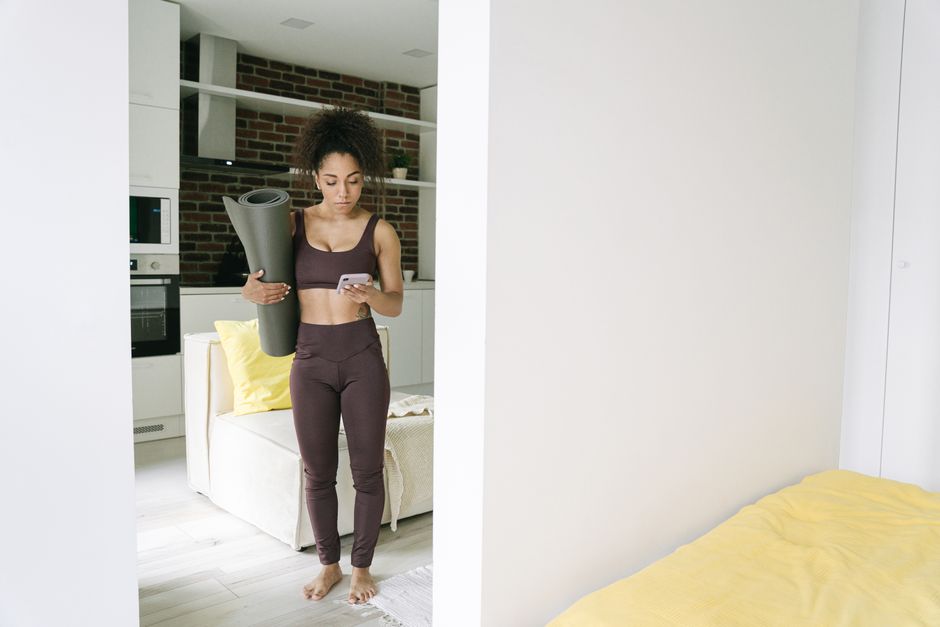
You planned to walk after work, but sunset came early, the pavement looked slick, and the temperature dropped below freezing. By February, the problem is rarely knowledge. You know movement matters. The real problem is building a routine that still works when outdoor exercise becomes inconvenient.
How to Choose Indoor Workouts You Will Repeat
Consistency beats novelty when winter makes exercise harder to start. The best indoor workout is not the one that burns the most calories in a single session. It is the session you can begin in ten minutes, complete safely, and repeat three or four days later.
Start with a friction audit
Write down every step between deciding to exercise and starting the first movement. If that list includes driving across town, waiting for equipment, changing outfits twice, or finding a long class, the plan has too much friction. A home routine can remove most of those barriers. Keep shoes, a mat, and water in one visible place. Save two short workouts on your phone so you do not spend fifteen minutes choosing a video. Set the room temperature before training because a cold room makes the first five minutes feel harder.
Set a minimum that feels almost too easy
Use a 10-minute minimum: two minutes of easy movement, six minutes of strength or intervals, and two minutes of slower work. If energy improves, continue for another ten or twenty minutes. If it does not, the session still counts. This rule protects the habit during busy weeks and reduces the all-or-nothing thinking that turns one missed workout into a month away from exercise. Start with three planned sessions each week, then add a fourth only after the first schedule feels normal.
What a Winter Workout Week Should Look Like
A useful winter plan mixes strength, cardio, mobility, and recovery. The schedule below gives each quality a clear place without demanding hard training every day.
Use a simple weekly split
| Day | Workout | Duration | Target effort |
|---|---|---|---|
| Monday | Full-body strength | 30 minutes | RPE 6 of 10 |
| Tuesday | Low-impact cardio | 25 minutes | Steady conversation pace |
| Wednesday | Mobility and easy walking indoors | 15 to 20 minutes | Light |
| Thursday | Intervals: 40 seconds work, 80 seconds easy | 24 minutes | RPE 7 of 10 |
| Friday | Rest or gentle stretching | 10 minutes | Very light |
| Saturday | Strength and balance | 30 to 40 minutes | RPE 6 of 10 |
| Sunday | Rest | None | Recovery |
Measure progress beyond calories
Track completed sessions, minutes trained, repetitions, balance, and how quickly your breathing settles after hard work. A useful target is 150 minutes of moderate activity per week, but that number is a ceiling to build toward, not a pass-or-fail test. Someone starting from zero can begin with three 20-minute sessions and add five minutes to one session every week. The clear winner for most beginners is a schedule with two strength days and two moderate cardio days because it builds useful capacity without making every workout feel punishing.
How to Exercise When Motivation Drops
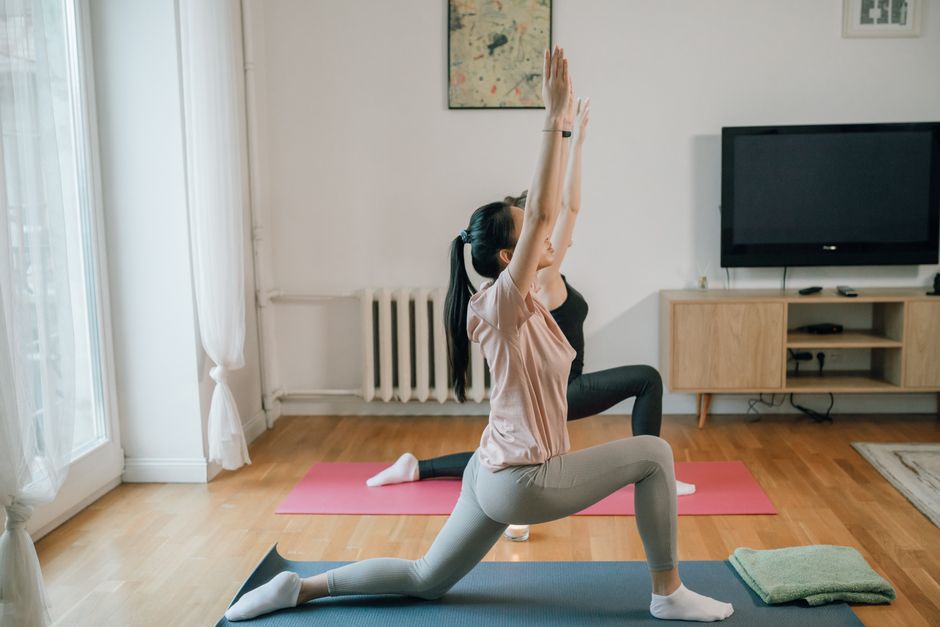
Do not wait for motivation; lower the starting cost. Put on workout clothes before dinner, choose the first song before you begin, and promise only five minutes of movement, because action often creates the energy that motivation was supposed to provide, while a written fallback plan keeps one bad day from becoming a lost week.
Use three levels: green for a full session, yellow for ten minutes of easy movement, and red for breathing drills, gentle mobility, or a short walk around the room; this approach preserves the habit while giving fatigue, poor sleep, and stressful workdays a safe outlet instead of forcing hard exercise at the wrong time.
The strongest winter routine also has a fixed cue, such as training after morning coffee or immediately after closing a laptop, plus a visible calendar mark after each session, and the verdict is simple: a modest workout completed four times per week will support fitness better than an intense plan that survives only until the first snowstorm.
Which Indoor Equipment Earns Its Space?
You do not need a home gym. For most people, the best equipment purchase is the item that supports several movements and can stay ready in a small room. The following options have clear strengths, but none can replace a workable schedule.
The best small-space setup
- Bowflex SelectTech 552 adjustable dumbbells are the strongest all-purpose choice for home strength training. Each dumbbell adjusts from 5 to 52.5 pounds across 15 settings, so one pair can support squats, rows, presses, lunges, and carries. Choose them if strength work is your main gap and you have a stable floor area.
- The TRX Suspension Trainer suits people who want bodyweight training with almost no storage demand. It supports movements such as rows, split squats, push-ups, and assisted single-leg work. The listed maximum user weight is 350 pounds, but the anchor point must be solid and installed correctly. It is the best choice for renters who cannot store large equipment and have a safe door or ceiling anchor.
- The Sunny Health & Fitness SF-T4400 treadmill offers a compact cardio option with a 2.25 peak horsepower motor, a 49-by-16-inch running surface, and a top speed of 9 miles per hour. It is a practical pick for walking and short jogs, but the narrow belt can feel restrictive for people with a long stride or fast running style.
- The Peloton Bike+ has a 24-inch rotating screen and a fixed indoor cycling position. It makes guided sessions easy to start, but the large cost and ongoing class commitment make it a poor choice if you already struggle to use basic equipment. A mat and adjustable weights are the better first purchase for most households.
When not to buy equipment
Skip a purchase if your current barrier is scheduling, fatigue, or uncertainty about what to do. A free bodyweight routine can test the habit for four weeks before money enters the decision. The concrete verdict is to buy adjustable dumbbells first for broad strength training, choose a suspension trainer for limited storage, and avoid a treadmill or connected bike unless you already know you enjoy that type of movement.
Winter Workout Questions That Change the Plan
How hard should an indoor workout feel?
Most sessions should land between RPE 5 and 7 on a ten-point scale. At RPE 5, you can speak in full sentences and could continue for a while. At RPE 7, you can say a short sentence but need more recovery. Keep high-effort intervals to one or two days per week, especially if you are returning after a long break. A sharp pain, chest pressure, faintness, or unusual shortness of breath is a reason to stop and seek medical guidance.
What if I hate home workouts?
Use a gym, community center, indoor track, dance class, or swimming pool. Consistency does not require exercising alone. Pick the option with the shortest travel time and a predictable schedule. If social accountability helps you attend, a class may outperform a cheaper home setup because the appointment removes daily negotiation.
How can I avoid doing the same workout every day?
Keep the weekly structure fixed while changing the movements. Monday can use squats, rows, and presses; Saturday can use step-ups, hinges, and carries. Rotate exercises every four weeks, not every session. This gives your body enough repeated practice to improve while reducing boredom and overuse. For most people, the best plan is two strength sessions, two cardio sessions, and one mobility session rather than a new workout every day.
When Indoor Training Is Not the Right Answer
Indoor exercise solves weather and daylight problems, but it does not solve every fitness problem. If you feel trapped by home workouts, outdoor movement on safe days may restore enjoyment. A 25-minute walk in daylight can support mood and aerobic fitness without the mental effort of a formal session. Use traction footwear, visible clothing, and cleared paths when conditions allow, and stay indoors when ice, poor visibility, or extreme cold creates a clear fall or exposure risk.
Common failure modes to avoid
- Starting with six hard sessions per week after months of inactivity.
- Using high-impact jumps when your knees, ankles, or pelvic floor are not ready.
- Skipping warm-up movement in a cold room and then loading heavy exercises immediately.
- Buying large equipment before testing the routine with bodyweight movements.
- Measuring success only by scale weight or calories burned.
Build a plan that survives disruption
Keep a backup session that needs no equipment and takes twelve minutes: three rounds of sit-to-stands, incline push-ups, alternating reverse lunges, marching, and slow breathing. Use it when travel, childcare, work, or poor weather breaks the normal schedule. If joint pain, a medical condition, pregnancy, or a recent injury changes what feels safe, ask a qualified clinician or physical therapist for a tailored plan. The final verdict is practical: choose the routine you can repeat during an ordinary difficult week, then make it harder only after attendance has become reliable.
Medical Disclaimer: This content is for informational purposes only and does not constitute medical advice. Always consult a qualified healthcare professional before making health-related decisions.