
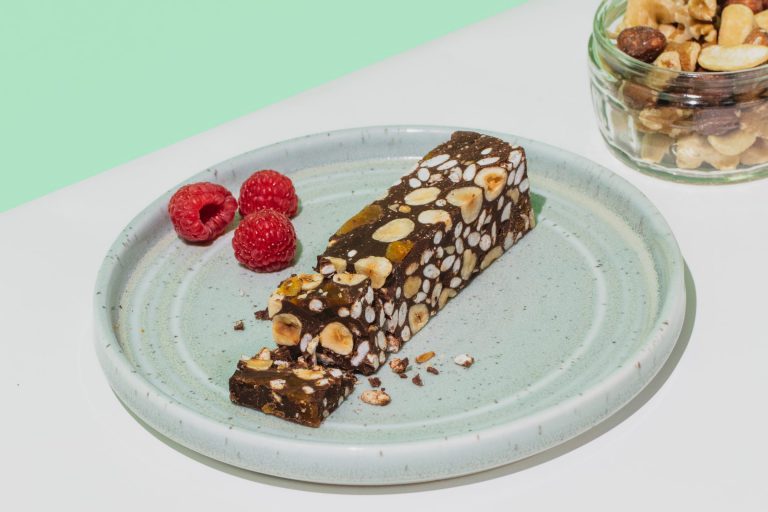
Most rocky road bar recipes out there are lying to you. They tell you to dump in a bag of store-bought marshmallows, a generic chocolate bar, and call it a day. The result? An overly sweet, cloyingly rich, and often bland dessert. I’ve been making rocky road bars for over twenty years. I’ve tried every shortcut, every high-end ingredient, and every questionable hack. What I’ve learned is this: getting it right isn’t about fancy techniques, it’s about choosing the right foundation. Forget those sickly sweet versions. Your rocky road bars can, and should, be a balanced symphony of textures and deep flavors, not just a sugar bomb. My friends call my rocky road bars “dangerous” because you actually want to eat more than one. That’s the goal. Let me show you how to get there.
The Shocking Sugar Trap in Most Rocky Road Recipes
Here’s a hard truth: the vast majority of rocky road bar recipes out there are designed to make you crave more sugar, not enjoy a balanced treat. They often call for milk chocolate and then load up on extra sweeteners in the base. This creates a one-note dessert that hits your palate with an immediate sugar rush, then leaves you wanting more to chase that feeling. It’s a vicious cycle, and frankly, it’s unnecessary. You can have incredible flavor without the overwhelming sweetness. My core belief for these bars is simple: let the chocolate shine, and the other elements support it, not drown it.
I’ve seen recipes that use two cups of milk chocolate chips and then add a half cup of corn syrup to the mix. That’s just too much. Your body processes that immediate sugar spike, and you crash shortly after. For me, the whole point of a good dessert is satisfaction, not an energy roller coaster. I want rich, complex flavors that linger, not just a quick hit.
Why Dark Chocolate is Your Best Bet
Don’t buy milk chocolate for rocky road. Seriously, don’t. It’s too sweet, and it lacks the depth needed to balance the marshmallows and other mix-ins. You need something with a backbone. I always use a dark chocolate, typically in the 60-75% cacao range. My go-to is usually Ghirardelli Dark Chocolate Melting Wafers (about $6.00 for a 10oz bag). They melt beautifully, and the flavor is consistent. Another solid option is Callebaut Callets, if you can find them in bulk. They are a bit pricier, but their quality for melting is unmatched. The higher cacao content introduces a slight bitterness that cuts through the sweetness of the marshmallows perfectly. It creates a more mature, satisfying flavor profile. If you use a quality dark chocolate, you don’t need much added sweetener.
Natural Sweeteners I Actually Use
When a recipe absolutely demands a bit more sweetness than the chocolate provides, which is rare for my style of rocky road, I don’t reach for corn syrup. That stuff is cheap, and its flavor is one-dimensional. Instead, I use a small amount of pure maple syrup or agave nectar. I’m talking a tablespoon or two, max, for an entire batch. Kirkland Signature Organic Maple Syrup from Costco (around $14 for 33.8 fl oz) is excellent value and has a robust flavor. For agave, Wholesome Sweeteners Organic Agave Nectar (about $7 for 11.75 oz) works well. These add a subtle sweetness and a touch of moisture without overpowering the chocolate. They also have a lower glycemic index than corn syrup, which means a steadier release of energy. You don’t get that immediate sugar spike and subsequent crash. It’s about smart choices, not deprivation.
Marshmallows That Actually Work: My Top Picks (and What to Avoid)
Choosing the right marshmallow is crucial. It’s not just about sweetness; it’s about texture and how it interacts with the chocolate. Too soft, and it dissolves into a sticky mess. Too firm, and it fights the chewiness of the bar. For years, I just grabbed whatever was on sale. Big mistake. I learned that marshmallow quality varies wildly, and it makes a huge difference in the final product.
Here’s a quick breakdown of marshmallows I’ve used and what I think of them:
| Marshmallow Type/Brand | Pros | Cons | My Verdict | Approx. Price (10oz bag) |
|---|---|---|---|---|
| Kraft Jet-Puffed Mini | Widely available, classic taste. | Melts very quickly, can become overly sticky, high corn syrup. | Avoid. Too sweet, texture is too soft for a sturdy bar. | $3.00 |
| Dandies Vegan Marshmallows | Excellent chew, non-GMO, no corn syrup, holds shape well. | Slightly pricier, not as widely available. | My Top Pick. Perfect texture, cleaner ingredients. | $5.00 |
| Trader Joe’s Mini Marshmallows | Good value, decent chew, melts well. | Can be a little too sweet for dark chocolate, not always in stock. | Good Alternative. If Dandies aren’t available, these are fine. | $3.50 |
| Homemade Marshmallows | Customizable flavor, superior fresh texture. | Time-consuming, requires a stand mixer and candy thermometer. | Best for Special Occasions. Unbeatable quality but a project. | ~ $2.00 (ingredients) |
Gelatin vs. Vegan: A Texture Showdown
Most traditional marshmallows use gelatin, which gives them that classic bouncy, airy texture. Brands like Kraft are gelatin-based. They are light, but they tend to melt a bit too quickly when mixed with warm chocolate, sometimes creating a more uniform, less distinct marshmallow bite in the finished bar. If you like your marshmallows to almost disappear into the chocolate, fine. I don’t. I want distinct pockets of chewiness. Vegan marshmallows, like Dandies, use ingredients like tapioca syrup and carrageenan (derived from seaweed) to achieve their structure. I find their texture to be firmer, more resistant to melting, and they hold their shape much better in the rocky road matrix. This results in a more satisfying chew and visual appeal. Plus, knowing there’s no high-fructose corn syrup in Dandies is a big win for me. They retail around $5.00 for a 10oz bag, and they are worth every penny.
My Go-To Brands for Chew and Melt
Without a doubt, Dandies Vegan Marshmallows are my absolute favorite for rocky road bars. They have the ideal chewiness, a subtle vanilla flavor, and they don’t disintegrate into the chocolate. I use the mini size exclusively. Cutting larger marshmallows is a chore, and the minis distribute better. If you absolutely can’t find Dandies, or you’re on a tighter budget, Trader Joe’s mini marshmallows are a decent second choice. They’re a bit sweeter than Dandies, but their texture is acceptable. Whatever you do, skip the super cheap, generic brands. They’re often too soft, too sweet, and make the whole bar taste like processed sugar. You want that contrast in textures, that distinct marshmallow bite against the smooth chocolate and crunchy nuts. Don’t compromise here.
Mastering the Chocolate Melt: No More Burnt Batches
Getting your chocolate perfectly melted is non-negotiable for superior rocky road bars. I’ve ruined enough batches over the years to know the common pitfalls. Burnt chocolate tastes bitter and gritty, and seized chocolate is a crumbly mess. Neither will do. The goal is smooth, glossy, and fluid. The method you choose matters, but consistency and careful heat management matter more. Don’t rush this step. It’s foundational to the bar’s success.
- Start with Quality Chocolate: As I mentioned, use good dark chocolate. Chips or wafers designed for melting (like Ghirardelli Melting Wafers) work best because they contain less cocoa butter than baking bars, making them less prone to seizing.
- Chop Finely: If you’re using a solid bar, chop it into small, uniform pieces. This ensures even melting and prevents some pieces from burning while others are still solid.
- Low and Slow is the Motto: Chocolate is delicate. High heat will burn it, causing it to seize or become grainy. Always use the lowest possible heat setting for your chosen method.
- No Water Contact: Water is chocolate’s enemy. Even a single drop can cause it to seize, turning it into a stiff, unworkable paste. Ensure all your equipment is completely dry.
Double Boiler vs. Microwave: Pros and Cons
For melting chocolate, you have two main options, and each has its place. I usually default to the double boiler for larger batches or when I want absolute control, but the microwave can be quicker if you’re careful.
Double Boiler Method: This is my preferred method for reliability. You place a heatproof bowl (glass or stainless steel) over a saucepan containing about an inch or two of simmering water. The key is that the bottom of the bowl should NOT touch the water. The steam, not the direct heat, melts the chocolate. Stir constantly with a dry rubber spatula. This method provides gentle, even heat, making it almost impossible to burn the chocolate. It takes about 8-10 minutes for 10-12 ounces of chocolate to fully melt. The downside is it takes a little longer to set up and clean.
Microwave Method: This is faster, but riskier. Place your chocolate in a microwave-safe bowl. Heat in 30-second intervals, stirring thoroughly after each interval. It’s crucial to stir, even if the chocolate doesn’t look melted yet, as the heat distributes unevenly. Continue until the chocolate is mostly melted, then stir until completely smooth. The residual heat will finish the job. If you overheat it, even for a few seconds, it can burn or seize. My 1000-watt microwave usually melts 12 ounces of chocolate in about 2-3 minutes total, with 4-5 stirs in between. Never walk away from the microwave while melting chocolate.
Achieving the Perfect Gloss
Once your chocolate is melted, you want it glossy and smooth. If it looks dull or too thick, you might have overheated it slightly or introduced a tiny bit of moisture. Sometimes, adding a tiny amount (like a teaspoon per 12 ounces) of flavorless oil, such as refined coconut oil or grapeseed oil, can help restore some sheen and fluidity. Don’t use olive oil; the flavor will be off. Stir it in thoroughly. The ideal melted chocolate should flow freely off your spatula, coating it evenly. This is the foundation for a beautiful, cohesive rocky road bar. Don’t settle for anything less.
Beyond Peanuts: Smart Add-Ins for Texture and Taste
Rocky road is often synonymous with peanuts. And while there’s nothing inherently wrong with them, limiting yourself to just peanuts is a missed opportunity. The add-ins are where you can truly customize your bars and introduce incredible layers of flavor and texture. I’ve experimented with everything from candied ginger to toasted coconut, and the results are always more interesting than the standard peanut. Think about what complements dark chocolate and chewy marshmallow. You want crunch, a little salt, maybe some fruitiness. This section is about expanding your horizons.
Which Nuts Offer the Best Crunch?
For me, the best nuts in rocky road offer a substantial crunch that contrasts beautifully with the soft marshmallow and smooth chocolate. Peanuts are okay, but they can sometimes get a bit lost. I prefer:
- Roasted Almonds: My absolute favorite. They have a firm bite and a slightly buttery flavor that works wonderfully with dark chocolate. I usually go for Blue Diamond Whole Natural Almonds (about $7 for 16oz).
- Pecans: These offer a softer, richer crunch and a distinct earthy flavor. They’re fantastic if you want a slightly more elegant bar.
- Walnuts: Similar to pecans but with a slightly more robust, sometimes bitter, note that can be interesting with very dark chocolate.
- Cashews: Softer, creamier, and less of a dramatic crunch, but they add a nice richness.
Whatever nut you choose, make sure it’s roasted. Raw nuts taste too green and lack the depth. A quick toast in a dry pan or oven brings out their oils and enhances their flavor significantly.
What About Dried Fruit?
Dried fruit is an excellent way to add a chewy, tart, or sweet dimension that breaks up the richness. It’s not traditional, but it’s a . I don’t use it in every batch, but when I do, I pick carefully.
- Dried Tart Cherries: These are amazing. Their tartness is a perfect counterpoint to the sweet marshmallows and rich chocolate. I usually get Mariani Dried Tart Cherries (around $5 for 5oz).
- Dried Cranberries: Similar to cherries, they offer a good tart-sweet balance.
- Raisins: I generally avoid these. Too sweet, too common, and the texture can be a bit mushy.
- Chopped Dried Apricots: These add a lovely chew and a hint of tang. They work best when chopped into small pieces.
Always chop larger dried fruits into marshmallow-sized pieces for even distribution. You don’t want a huge clump of fruit in one bite.
Should I Toast My Add-Ins?
Yes. A resounding yes. This is a step many skip, and it’s a mistake. Toasting nuts (and sometimes coconut, if you’re using it) elevates their flavor dramatically. It brings out their natural oils, making them crunchier and more aromatic. For nuts, spread them in a single layer on a baking sheet and toast in a 350°F (175°C) oven for 5-10 minutes, or in a dry skillet over medium heat, stirring frequently, until fragrant. Let them cool completely before adding them to your chocolate mix. Warm nuts will melt your chocolate prematurely and potentially create a greasy bar. A little extra effort here pays off huge in the final taste and texture.
My Go-To Rocky Road Bar Ratio for Perfection
After all these years, I’ve settled on a ratio that just works. It delivers the perfect balance of chocolate, marshmallow, and crunch. This isn’t a suggestion; it’s the blueprint. For a standard 9×13 inch pan, I use 16 ounces (about 2.5 cups) of high-quality dark chocolate (60-75% cacao), 10 ounces (a full bag) of mini vegan marshmallows like Dandies, and 1.5 cups of roasted, chopped almonds. That’s it. No extra sweeteners, no unnecessary fuss. Trust me on this one.