
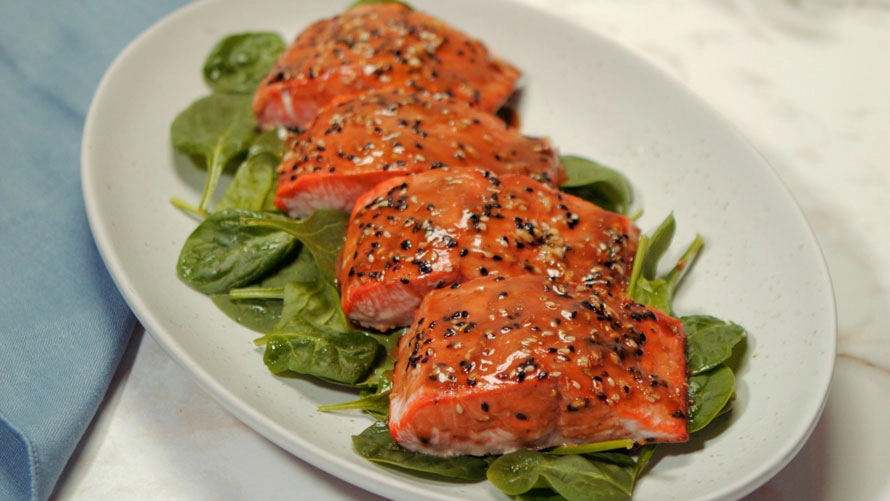
If you’ve been avoiding fats because of outdated diet advice, it’s time for a fresh perspective. Incorporating high-quality fats into your daily diet isn’t just about flavor—it’s a game-changer for your heart health, brain power, and energy levels. Think natural sources like avocados, nuts, and fatty fish that fuel your body the right way. Ready to discover 10 natural ways to add these healthy fats seamlessly into your meals? Let’s jump in and make wholesome fats a delicious part of your routine!
Understanding High-Quality Fats and Their Role in a Balanced Diet
Are you confused about fats? Let’s clear things up. High-quality fats, especially healthy fats sources, are essential for a balanced diet and overall wellness. Not all fats are created equal. The stars here are monounsaturated fats and polyunsaturated fats.
Monounsaturated fats come from foods like avocados and olive oil cooking—both great for your heart and metabolism. Then you have polyunsaturated fats, which include those powerful omega-3 fatty acids found in fatty fish, seeds, and nuts. These fats support brain health, reduce inflammation, and help your body absorb essential vitamins.
Experts recommend getting about 20-35% of your daily calories from fats, but it’s important to prioritize these unsaturated fats over saturated or trans fats. This approach supports hormone balance and keeps your metabolism firing efficiently.
And here’s the truth about fat: Eating fat doesn’t automatically make you gain weight. When you consume heart-healthy fats mindfully—as part of a balanced diet—they actually help regulate your weight and provide lasting energy.
So, swapping in more of these natural fat sources isn’t just tasty—it’s smart nutrition that fuels your body right.
10 Natural Ways to Incorporate High-Quality Fats
Adding healthy fats daily doesn’t have to be complicated. Here are 10 easy, natural ways to bring more high-quality fats into your meals, supporting a balanced diet rich in monounsaturated fats, omega-3 fatty acids, and other heart-healthy sources.
| # | Tip | Why It Works | Examples & Ideas |
|---|---|---|---|
| 1 | Cook with Extra-Virgin Olive Oil | Rich in monounsaturated fats; great for heart health and anti-inflammatory benefits | Sauté veggies, drizzle on salads, make dressings |
| 2 | Add Avocado to Meals and Snacks | Loaded with monounsaturated fats and fiber; creamy texture boosts satisfaction | Mash on toast, slice in salads, blend in smoothies |
| 3 | Snack on a Handful of Nuts | Provides omega-3s and fiber; easy for on-the-go nutrition | Almonds, walnuts, pistachios (watch portion sizes) |
| 4 | Incorporate Seeds into Everyday Foods | Plant-based omega-3 sources plus fiber and minerals | Sprinkle chia, flax, or pumpkin seeds on yogurt or oats |
| 5 | Eat Fatty Fish Twice a Week | Excellent EPA and DHA omega-3s for brain and heart health | Grill salmon, sardines, or mackerel |
| 6 | Use Nut Butters Sparingly but Deliciously | Nut butters add healthy fats and protein; keeps snacks satisfying | Spread almond or peanut butter on apples or toast |
| 7 | Top Salads and Bowls with Olives or Cheese | Adds flavor and monounsaturated fats | Kalamata olives, small amounts of feta cheese |
| 8 | Include Full-Fat Dairy in Moderation | Source of conjugated linoleic acid and healthy fats when from grass-fed animals | Opt for Greek yogurt or cheese |
| 9 | Blend Healthy Oils into Smoothies or Sauces | Omega-3 boost from oils without affecting flavor | Add flaxseed or walnut oil |
| 10 | Roast Vegetables with Avocado or Coconut Oil | Enhances nutrient absorption and adds richness | Roast with avocado oil or coconut oil |
These simple swaps and additions help you reach your daily fat intake goals naturally and deliciously. You can also explore more about fats in focus and how they benefit your diet by checking out resources like this detailed guide to fats in focus.
Incorporating these ideas regularly supports a balanced diet rich in natural fat sources that fuel your body and keep you feeling your best.
Practical Tips for Daily Integration
Incorporating high-quality fats into your daily diet is easier with simple meal ideas and mindful portioning. For breakfast, try avocado toast topped with a sprinkle of seeds for that healthy fat boost. At lunch, a fresh salmon salad drizzled with extra-virgin olive oil provides omega-3 fatty acids and heart-healthy fats. For snacks, a small handful of nuts or seeds keeps you satisfied without going overboard on calories. At dinner, roasting vegetables with avocado or olive oil adds richness and helps improve vitamin absorption fats.
Keep an eye on portions to avoid excess calorie intake, as even healthy fats can add up quickly. Using measuring spoons for oils and pre-portioning nuts or seeds can help control amounts effortlessly.
When shopping, choose fresh and cold-pressed oils like extra-virgin olive oil for cooking and dressings. Store nuts, seeds, and oils in cool, dark places or the fridge to maintain freshness and prevent rancidity, preserving their nutritional benefits.
For more ideas on mindful eating habits that support overall wellness, you might find helpful tips on practical stress reduction strategies, which can complement your balanced diet with high-quality fats.
Potential Challenges and Solutions
Incorporating high-quality fats into your daily diet can sometimes come with a few challenges, but there are practical ways to overcome them.
-
Addressing Allergies: If you have nut allergies, don’t worry. Seeds like chia, flax, and pumpkin are excellent natural fat sources packed with omega-3 fatty acids and other beneficial fats. They make great alternatives for snacks and meals, helping you still enjoy unsaturated fats benefits without risk.
-
Budget-Friendly Options: Eating fatty fish regularly can seem expensive, but canned salmon, sardines, and mackerel are wallet-friendly options that still deliver those important heart-healthy fats. Buying nuts and seeds in bulk also helps keep costs down without sacrificing quality.
-
Transitioning from Low-Fat Habits: If you’re used to a low-fat diet, start slowly. Introduce good fats in small amounts—like drizzling extra-virgin olive oil over veggies or adding a few slices of avocado to your meals. This gradual shift supports metabolism and hormone balance without overwhelming your palate.
Remember, thoughtful integration of these healthy fats sources will enrich your diet and support overall wellness. For extra tips on overcoming common fat intake hurdles, check out this guide on 5 common fat loss challenges.