

The internet will tell you that apple cider vinegar clears cysts overnight and toothpaste dries pimples in an hour. I spent a weekend digging through PubMed, dermatology journals, and systematic reviews on home remedies for acne. The gap between what people claim and what the data supports is enormous. Some of these remedies work as well as drugstore benzoyl peroxide. Others can burn your face off. Here is the breakdown.
Tea Tree Oil: The One Remedy with Real Backing
Tea tree oil is the closest thing to an over-the-counter drug in the home remedy world. Multiple controlled trials show 5% tea tree oil gel reduces inflammatory acne lesions by roughly 40-50% over 8 weeks. That is comparable to 5% benzoyl peroxide, but with fewer side effects like redness and peeling.
How to Use It Without Irritation
Pure tea tree oil at 100% concentration burns skin. Do not apply it directly. Mix 2-3 drops of pure tea tree oil with a carrier oil like jojoba or fractionated coconut oil. Or buy a pre-formulated product. The Thursday Plantation Tea Tree Oil ($12 for 1 oz) is 100% pure and labeled with the Melaleuca alternifolia concentration. The Body Shop Tea Tree Oil ($16 for 0.84 oz) is pre-diluted in an alcohol base and ready to spot-treat.
Patch test on your inner arm first. If no reaction after 24 hours, apply to individual pimples with a cotton swab once daily. Never slather it across your whole face.
What the Studies Don’t Tell You
Tea tree oil works for mild to moderate acne. It does nothing for cystic acne or hormonal breakouts deep under the skin. The smell is medicinal and strong. Some people develop contact dermatitis after prolonged use. If your skin is sensitive, skip this entirely.
Zinc: Oral vs. Topical — They Are Not the Same
Zinc gets lumped into one category, but oral zinc and topical zinc work through completely different mechanisms. Mixing them up leads to wasted money or no results.
Oral zinc supplements reduce acne by lowering inflammation and killing P. acnes bacteria. A 2013 meta-analysis of 17 trials found zinc taken orally reduced inflammatory lesions by about 30% compared to placebo. The effective dose is 30-45 mg of elemental zinc per day. Zinc picolinate has the best absorption rate. Zinc gluconate is cheaper but slightly less bioavailable. Nature’s Bounty Zinc Gluconate 50 mg ($8 for 100 tablets) is a solid budget option. Take it with food or you will get nauseous.
Topical zinc in creams or ointments works as a mild anti-inflammatory. It dries out surface pimples but does not penetrate deep enough to treat active infections. It is better for healing broken skin than for treating new breakouts.
The Downside of Oral Zinc
Long-term high-dose zinc (over 40 mg daily) can cause copper deficiency and suppress your immune system. Do not take it for more than 3 months without a break. Nausea is common. If you already eat red meat or oysters, your zinc levels may be fine. Get a blood test first.
Green Tea: Drink It or Put It on Your Face?
Green tea contains epigallocatechin gallate (EGCG), a compound that reduces sebum production and fights inflammation. The question is delivery method.
Topical Green Tea Is the Real Winner
A 2016 study applied 3% green tea extract cream to half the face of acne patients. After 8 weeks, the green tea side had 58% fewer pimples than the placebo side. That is a strong result. You can replicate this at home by brewing strong green tea, cooling it, and applying it with a cotton pad as a toner. The Innisfree Green Tea Seed Serum ($25 for 1.7 oz) contains 73.8% green tea extract and is a ready-made option. The COSRX Green Tea Aqua Soothing Gel Cream ($18 for 1.76 oz) is lighter and works for oily skin types.
Drinking green tea provides antioxidants systemically, but the concentration reaching your skin is too low to treat active acne. Drink it for general health. Put it on your face for acne.
Honey: Antibacterial but Overhyped
Manuka honey has proven antibacterial activity against P. acnes in petri dishes. But a petri dish is not a face. Honey is sticky, messy, and hard to leave on long enough to work. Clinical studies on honey for acne are weak — small sample sizes, no control groups, short durations.
If you want to try it, use medical-grade Manuka honey with a UMF rating of 10+. Comvita Manuka Honey UMF 10+ ($25 for 8.8 oz) is the standard. Apply a thin layer to clean skin, leave for 20 minutes, rinse off. Do not leave it overnight. You will wake up with honey on your pillow and possibly more breakouts from the sugar content feeding bacteria.
Honey works better as a maintenance mask once or twice a week than as a spot treatment. It soothes redness and keeps skin hydrated. For killing active pimples, tea tree oil or benzoyl peroxide are faster and more reliable.
Aloe Vera: Good for Healing, Not for Treating
Aloe vera gel soothes irritated skin and reduces redness. It contains salicylic acid and sulfur in trace amounts — both known acne fighters — but not enough to make a real dent in breakouts.
Where aloe vera shines is aftercare. After a pimple has popped or after using harsh treatments like benzoyl peroxide, aloe vera calms the skin and speeds healing. The Seven Minerals Organic Aloe Vera Gel ($14 for 12 oz) has no added alcohol or colors. The Amara Beauty Organic Aloe Vera Gel ($16 for 16 oz) is another clean option.
Do not expect aloe vera to prevent new pimples. It does not regulate oil production or kill bacteria effectively. It is a support player, not a starter.
Apple Cider Vinegar: The Most Dangerous Home Remedy
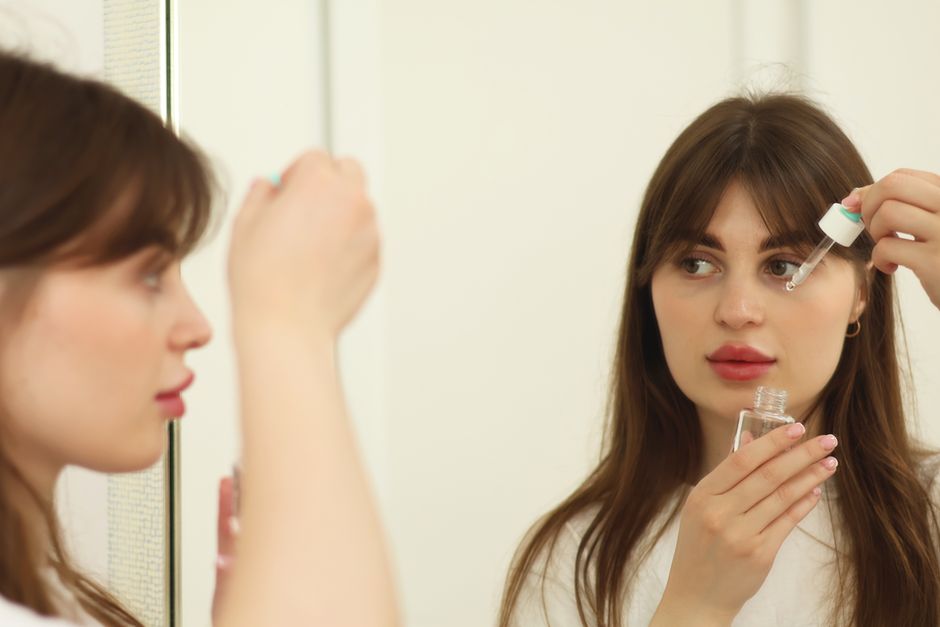
Apple cider vinegar (ACV) is the most commonly recommended home remedy for acne on social media. It is also the most likely to cause chemical burns. ACV has a pH of 2-3. Your skin’s natural pH is around 4.5-5.5. Pouring undiluted ACV on your face strips the acid mantle, damages the moisture barrier, and can leave dark spots that last months.
If you absolutely must try it, dilute one part ACV with three parts water. Apply with a cotton pad, leave for 30 seconds, rinse. Do not use it daily. Do not use it on broken skin. Do not use it if you have dark skin — the inflammation can trigger post-inflammatory hyperpigmentation that takes a year to fade.
The Bragg Organic Raw Apple Cider Vinegar ($12 for 32 oz) is the most common brand. It should stay in your kitchen, not on your face.
The Failure Modes: What Goes Wrong with Home Remedies
Most home remedy failures come from three mistakes.
Mistake 1: Over-application. More is not better. Using tea tree oil three times a day or leaving honey on for hours destroys your skin barrier. Apply once daily for at least 4 weeks before judging results.
Mistake 2: Ignoring skin type. Oily skin tolerates tea tree oil and zinc better than dry or sensitive skin. If you have eczema or rosacea, skip all home remedies and see a dermatologist.
Mistake 3: Expecting miracles. Home remedies reduce mild to moderate acne by 30-50% at best. They do not clear cystic acne, hormonal acne, or acne caused by medications. If your breakouts are deep, painful, or widespread, you need prescription treatments like tretinoin, clindamycin, or spironolactone.
| Remedy | Effectiveness | Best For | Risk Level |
|---|---|---|---|
| Tea tree oil (5%) | Moderate — 40-50% reduction | Mild to moderate inflammatory acne | Low with proper dilution |
| Oral zinc (30-45 mg) | Moderate — 30% reduction | Inflammatory acne | Medium — nausea, copper deficiency |
| Topical green tea | Moderate — 58% in one study | Mild acne, oily skin | Low |
| Manuka honey | Low — weak evidence | Soothing, maintenance | Low |
| Aloe vera | Low — not for active acne | Post-acne healing | Low |
| Apple cider vinegar | Low — risks outweigh benefits | Not recommended | High — chemical burns |
Home remedies sit in a specific place: they work for mild acne when used correctly, but they are not replacements for dermatology. If you have tried two remedies for 8 weeks with no improvement, stop guessing and get a prescription. Your skin is worth more than a Pinterest board.
Medical Disclaimer: This content is for informational purposes only and does not constitute medical advice. Always consult a qualified healthcare professional before making health-related decisions.