
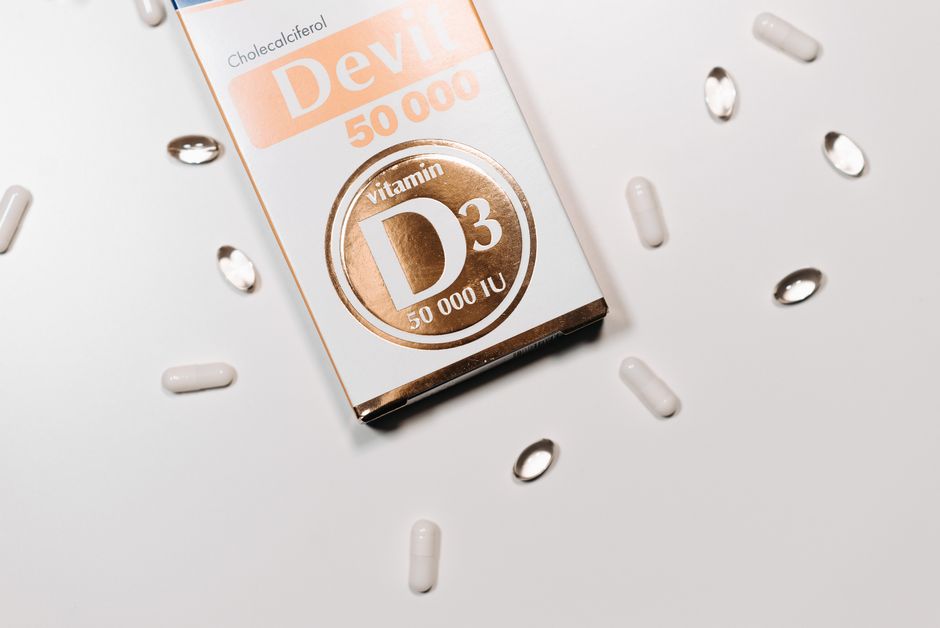
Supplement-induced liver injury has a formal name: DILI — drug-induced liver injury. The substance appearing most often in recent DILI case reports isn’t a grey-market compound. It’s green tea extract. The same ingredient marketed as a natural metabolism booster in hundreds of fat burners has caused documented cases of acute liver failure.
The liver processes everything you ingest. Some vitamins and botanicals — at the wrong doses or in the wrong combinations — stress it significantly. Others have genuine research behind liver support. Knowing the difference saves you from quietly damaging an organ with no pain receptors and very few early warning signs.
The Risk vs. Benefit Table for Common Supplements
Before buying anything marketed for liver health, know where each ingredient falls on the risk spectrum. This table covers the most commonly taken vitamins and supplements with specific dosage thresholds from reported case data and established upper limits.
| Supplement | Liver Risk | Threshold Where Risk Starts | Liver Benefit? |
|---|---|---|---|
| Vitamin A (Retinol) | High | Chronic intake above 10,000 IU/day | No |
| Niacin B3 (extended-release) | High | Above 1,000 mg/day sustained-release form | No |
| Green Tea Extract (EGCG) | High | Above 800 mg EGCG/day, especially fasted | No |
| Vitamin E (dl-alpha-tocopherol) | Moderate | Above 400 IU/day long-term | Studied in NASH — mixed results |
| Vitamin D | Low | Above 10,000 IU/day chronic | No direct benefit |
| Milk Thistle (Silymarin) | Very Low | No established toxic threshold | Yes — antioxidant, anti-inflammatory |
| NAC (N-Acetyl Cysteine) | Very Low | No significant risk at standard doses | Yes — glutathione precursor |
| TUDCA | Very Low | No significant risk at standard doses | Yes — bile acid support |
| Kava | Very High | Any dose — mechanism unpredictable | No |
Why “Standardized” on the Label Doesn’t Guarantee Safety
A supplement labeled “standardized to 95% EGCG” means you’re getting a highly concentrated dose of the active compound. Higher standardization equals higher dose per capsule. With green tea extract, this works exactly backward from what you’d want for liver safety. Many fat burners stack EGCG at 400–800 mg per serving and instruct users to take two servings a day — putting some people well above the threshold where DILI cases cluster.
Kava sits in its own risk tier. The mechanism of liver injury isn’t fully understood, which makes dose limits irrelevant — some people react at amounts that would seem low by any reasonable standard. Avoid it entirely if liver health is a concern.
Fat-Soluble Vitamins Store in Your Liver — and That’s the Problem
Vitamins A, D, E, and K don’t flush out in urine when you overshoot. They store in fat tissue and — particularly vitamin A — directly in the liver. Chronic vitamin A toxicity produces hepatic stellate cell activation, which drives fibrosis. It develops slowly over months at doses that feel moderate and seem justified by the label.
The safe upper limit for preformed vitamin A (retinol, not beta-carotene) is 3,000 mcg/day — roughly 10,000 IU. Many high-potency multivitamins already sit at 5,000–8,000 IU retinol per serving before you add a separate cod liver oil capsule at 4,000 IU. That math gets uncomfortable fast. Add up the total retinol across everything you take every day, not just the individual product you’re thinking about buying.
Three Supplements With Real Liver Research Behind Them
Most products labeled “liver support” are marketing built around one or two real ingredients buried in a proprietary blend. These three have published human trial data — not just in vitro cell studies done in a dish.
Silymarin (Milk Thistle)
Silymarin is the active flavonoid complex extracted from milk thistle seeds. The research record is consistent: it reduces oxidative stress in liver cells and modestly lowers liver enzymes — AST and ALT — in people with non-alcoholic fatty liver disease. The safety profile at 140–420 mg/day is excellent, backed by decades of European pharmaceutical use where standardized silymarin products hold licensed medicine status.
Look for products standardized to 70–80% silymarin. NOW Foods Milk Thistle (450 mg, standardized to 80%) costs around $15 for 100 capsules and hits this target cleanly. Life Extension Super Milk Thistle X ($24 for 60 softgels) uses a phosphatidylcholine-bound form called silybin phytosome, which absorbs meaningfully better because the complex improves bioavailability across the gut wall. For daily maintenance, NOW Foods is fine. For active liver support during a demanding period — a medication cycle, heavy travel, poor eating — the phytosome form is worth the difference in price.
What silymarin won’t do: reverse cirrhosis or treat hepatitis on its own. The effect sizes in trials are real but modest. Think of it as maintenance, not therapy.
NAC (N-Acetyl Cysteine)
NAC is the precursor to glutathione — the liver’s primary endogenous antioxidant. It’s the standard medical antidote for acetaminophen overdose precisely because it restores hepatic glutathione rapidly. At 600–1,200 mg/day, it’s safe and well-tolerated for the overwhelming majority of people.
Jarrow Formulas NAC (600 mg, $20 for 100 capsules) is a clean, widely available option. Thorne Research NAC (500 mg per capsule) is the right choice if you’re sensitive to common excipients — Thorne’s formulations are minimal and well-controlled. Either works. The difference in active compound is negligible.
TUDCA (Tauroursodeoxycholic Acid)
TUDCA is a bile acid that reduces endoplasmic reticulum stress in liver cells. It’s approved as a pharmaceutical for cholestatic liver conditions in Europe. Human trials in NAFLD patients show reduced liver enzymes and decreased hepatic fat accumulation — not dramatic effects, but consistent ones across multiple studies.
Nutricost TUDCA (250 mg, roughly $40 for 60 capsules) is the most widely cited product in communities where people actively cycle compounds known to stress the liver. Double Wood Supplements TUDCA (250 mg) is similarly priced and formulated. TUDCA makes the most financial sense when you have a specific reason to use it — oral androgens, prescription high-dose niacin, or running multiple fat-soluble vitamins at the top of their ranges simultaneously.
Is Milk Thistle Actually Worth Buying?
Does it protect the liver from alcohol?
Partially. Silymarin reduces alcohol-induced oxidative stress in animal models, and some human trials show improved liver enzymes in people with alcoholic liver disease. It attenuates damage rather than preventing it. If you drink regularly and want something working in the background, milk thistle is a reasonable addition. It won’t undo sustained heavy drinking.
Can you take it indefinitely?
Yes. No toxicity threshold has been established in long-term studies, and the European regulatory record spans decades of daily use. Daily intake at 140–280 mg has no known risk ceiling based on current evidence.
Does the delivery form matter?
Yes. Silymarin has poor water solubility, so milk thistle tea delivers very little active compound. Standardized capsule extracts are the reliable format. The phytosome forms from Life Extension and Thorne absorb better because the phosphatidylcholine complex improves transport across the gut wall — a meaningful difference if you want consistent blood levels rather than variable absorption.
Five Supplement Stacking Mistakes That Stress the Liver
- Not totaling fat-soluble vitamin intake across all products. A multivitamin at 5,000 IU vitamin A plus a cod liver oil capsule at 4,000 IU puts you at 9,000 IU before breakfast — close to the upper limit from just two common products. Add up every source before assuming you’re in a safe range.
- Taking green tea extract on an empty stomach. The NIH National Center for Complementary and Integrative Health specifically flags this pattern. EGCG toxicity cases cluster around fasted intake. Always take green tea extract with a meal containing fat.
- Trusting proprietary blends with hidden doses. Proprietary blends conceal individual ingredient amounts. If you can’t see how much EGCG, niacin, or retinol you’re getting per serving, you can’t assess liver risk. Any liver supplement that hides per-ingredient doses should be skipped.
- Cycling detox products back to back. Many liver detox formulas contain multiple hepatotoxic botanicals — black cohosh, kava, comfrey, germander — at undisclosed amounts. Running them consecutively with no break gives the liver no recovery window between exposures.
- Skipping a baseline liver enzyme test before a major stack. If you plan a significant supplement protocol, an ALT and AST blood test first gives you something to compare against later. Without a baseline, you can’t distinguish pre-existing elevation from supplement-induced change.
What to Actually Buy: A Concrete Recommendation
For most healthy people, NAC is the single best liver supplement available. Not milk thistle. Not a branded liver formula. NAC targets the mechanism that matters most — glutathione production — has strong mechanistic evidence, and costs under $10 a month at standard doses. That’s the starting point.
For broader coverage, combine all three: NAC at 600 mg, silymarin at 280 mg, and TUDCA at 250 mg daily. This stack covers the three main protective pathways — glutathione support, antioxidant protection, and bile acid balance — without adding any meaningful risk.
| Product | Daily Dose | Approx. Cost/Month | Primary Role |
|---|---|---|---|
| Jarrow Formulas NAC 600 mg | 600 mg | ~$8 | Glutathione precursor |
| NOW Foods Milk Thistle 450 mg | 280 mg | ~$8 | Antioxidant and anti-inflammatory |
| Nutricost TUDCA 250 mg | 250 mg | ~$20 | Bile acid and ER stress support |
Total cost is around $36 per month — less than most branded liver formulas that contain the same three ingredients at lower doses with a significant markup. If budget is the constraint, NAC alone at 600 mg/day outperforms any proprietary liver blend at twice the price.
The green tea extract that opened this piece is still in countless fat burners sold today. The people buying it generally don’t know the dose, don’t take it with food, and add it on top of a multivitamin already loaded with retinol. Swap it for NAC, check your vitamin A total, and you’ve already done more for your liver than any detox product on the shelf.
Medical Disclaimer: This content is for informational purposes only and does not constitute medical advice. Always consult a qualified healthcare professional before making health-related decisions.