
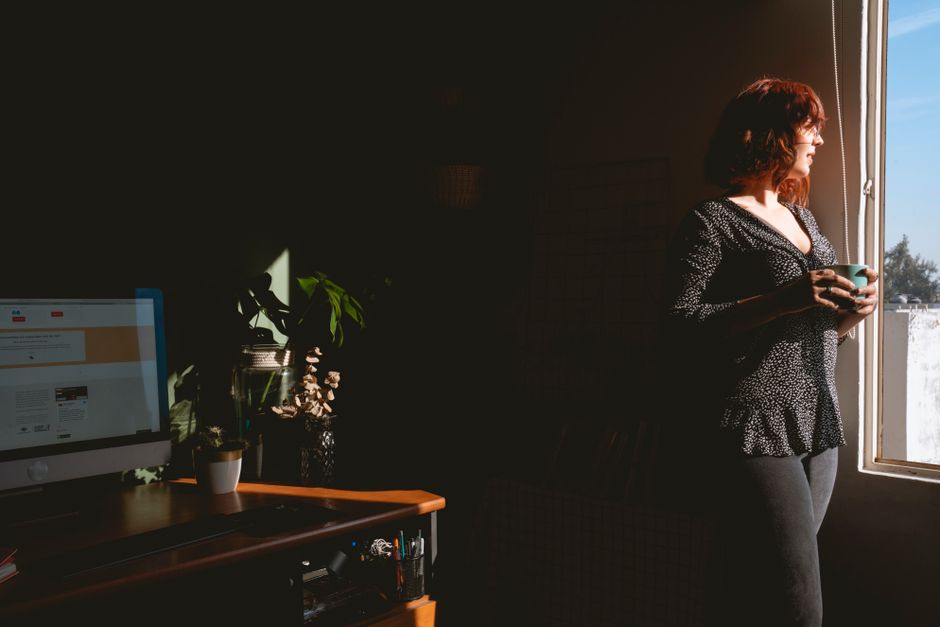
Seasonal affective disorder, or SAD, is a form of depression that follows a repeated seasonal pattern. Shorter days can affect sleep, energy, appetite and mood, but severe or lasting symptoms need more than a brighter room and a long walk.
How to use light therapy safely
For winter-pattern SAD, light therapy is a practical first option for many adults. The usual clinical setup is a UV-filtered light box rated at 10,000 lux, used in the morning for roughly 30 to 45 minutes. The exact dose depends on the lamp’s tested distance, so a 10,000-lux claim means little if the device reaches that level only at six inches.
| Example | Published specification | What it shows |
|---|---|---|
| Carex Day-Light Classic Plus | 10,000 lux; 16 x 13-inch screen; about 12 to 14 inches from the user | A larger panel may be easier to use while reading or eating |
| Verilux HappyLight Luxe | Up to 10,000 lux; 11.7 x 7.5 x 0.5 inches; 4 brightness levels | A thin portable design may require closer positioning |
| Northern Light Technologies BOXelite | 10,000 lux at up to 14 inches; 72 watts; 12 x 15-inch front panel; listed at $240 CAD | Distance, panel size and energy use affect the buying decision |
These are examples, not medical endorsements. The NIMH recommends a 10,000-lux light box used daily, usually early in the morning. Sit at the manufacturer’s stated distance, keep your eyes open, and glance toward the light without staring directly into it.
Check safety before buying
Ask a clinician first if you have bipolar disorder, glaucoma, cataracts, retinal disease, lupus or another condition affected by light. Also ask about medicines that increase light sensitivity. Stop and seek advice if light therapy causes severe headache, eye pain, nausea, agitation, racing thoughts or a major sleep change.
Best practical choice: pick a UV-filtered device that reaches 10,000 lux at a comfortable distance and has instructions you can follow. A cheap lamp with unclear testing is a false bargain.
Why movement helps when motivation is low
Start with a repeatable morning action
Movement does not need to be intense to be useful. A 10-minute outdoor walk within the first two hours after waking combines physical activity with natural daylight. Cloudy weather still provides outdoor light, although the experience may feel less pleasant. If going outside feels impossible, walk indoors, stretch beside a bright window or climb one flight of stairs for several minutes.
The goal is not to force happiness. Movement can reduce long stretches of sitting, support regular sleep timing and create a small action that happens before the day becomes difficult. A fixed cue works better than waiting to feel motivated: put shoes by the door, walk after breakfast or set a five-minute timer before opening work email.
Build the dose without turning it into a test of willpower
Try five to ten minutes for the first three days. Add five minutes every few days until you reach 20 to 30 minutes on most mornings. On low-energy days, count a short walk as a completed session rather than abandoning the plan. If joint pain, asthma, dizziness or another condition limits activity, ask a healthcare professional for a safer plan.
Movement is an add-on, not a replacement for treatment. It cannot correct suicidal thoughts, severe depression or a manic episode. The strongest routine is the one you can repeat during the season: modest, scheduled and flexible enough to survive bad weather.
When to seek professional help
- Book a routine appointment if low mood, loss of interest, sleep changes or appetite changes last two weeks or more, recur each year, or interfere with work and relationships.
- Ask for an assessment if you have a history of depression, bipolar disorder, anxiety, substance use or eye disease. A clinician may review your symptoms, medicines, physical health and seasonal pattern before suggesting light therapy, CBT, medication or testing.
- Seek help sooner if symptoms are worsening, you cannot manage basic tasks, you are using alcohol or drugs to cope, or hopelessness is becoming a regular thought.
- Get urgent support if you might hurt yourself, have a plan, cannot stay safe, or feel detached from reality. In the United States, call or text 988. If there is immediate danger, call emergency services or go to the nearest emergency department.
Do not wait for a light box to work if the situation is urgent. Light therapy usually takes repeated use, while a crisis needs direct human support now.
What to bring to an appointment
Write down when symptoms start, how long they last, changes in sleep and appetite, medicines and supplements, alcohol use, family history, and any periods of unusually high energy or little need for sleep. This record helps separate seasonal depression from other conditions and makes treatment planning faster.
Common mistakes that make SAD harder to manage
Using the wrong light at the wrong time
A normal desk lamp is not a light therapy box. Ordinary indoor lighting is usually far dimmer than the tested dose used in SAD treatment. Do not assume that a bulb labeled “daylight” delivers therapeutic lux at your eyes. Check the manufacturer’s distance chart, UV filtering and safety instructions.
Late-day use can also disrupt sleep. Morning is the usual starting point for winter-pattern SAD because the timing is meant to support the body clock. If you work nights, have insomnia or wake at unusual hours, ask a clinician about timing instead of copying a standard morning routine.
Ignoring bipolar or eye-health risks
Light therapy and antidepressants can trigger mania in some people with bipolar disorder. People with eye disease or medicines that increase light sensitivity may need medical supervision. Stop if you develop eye pain, intense agitation, unusually rapid thoughts or a sharp reduction in the need for sleep.
Expecting one habit to carry the whole treatment
A lamp, a walk or vitamin D may help one part of the problem, but none is a universal fix. NIMH reports mixed results for vitamin D studies, and CBT-SAD can be as effective as light therapy for many people, with benefits that may last longer across future winters. The mistake is not choosing the “wrong” single remedy; it is using a self-care tool to avoid an assessment when depression is impairing daily life.
Clear rule: do not buy a device before checking the lux-at-distance claim and your personal safety risks.
Light therapy, therapy and medication: what to compare

There is no single winner for every form of seasonal depression. The useful comparison is which option targets the main problem, how quickly it may help, and what risks need monitoring.
| Option | Strongest fit | Main tradeoff |
|---|---|---|
| Bright light therapy | Winter-pattern SAD; daily morning routine is realistic | Requires consistent use and safety screening for eye or bipolar risks |
| CBT-SAD | Recurring negative thoughts, avoidance and poor seasonal routines | Needs access to a trained therapist and several sessions |
| Antidepressant medication | Moderate or severe depression, or prevention of repeated episodes | Side effects, interactions and delayed benefit require prescriber follow-up |
| Vitamin D | Documented deficiency or clinician-recommended supplementation | Research results for SAD are mixed; it is not a substitute for depression care |
Bottom line: for mild, predictable winter symptoms, a properly selected light box plus movement is a reasonable starting discussion with a clinician. For symptoms that impair functioning, CBT-SAD or medication may offer more durable or broader support. For summer-pattern SAD, there is no light-therapy formula designed specifically for the condition; professional assessment matters more.
This is not financial advice. It is general health information, not a diagnosis or personal treatment plan. Treatment decisions should be made with a qualified healthcare professional.
The short verdict on managing seasonal affective disorder
For a predictable winter pattern without urgent symptoms, the best first move is a morning routine that combines outdoor daylight, 10 to 30 minutes of manageable movement and properly timed light therapy after a safety check. For symptoms that last two weeks, return every season, or disrupt work and relationships, professional care beats another purchase or another productivity trick. For suicidal thoughts, mania, psychosis or an inability to stay safe, skip self-treatment and seek urgent help immediately. As light-therapy devices become smaller and mental-health care becomes easier to access online, the useful category will be defined less by the brightest marketing claim and more by clear testing, safer instructions and treatment that matches the person using it.
Medical Disclaimer: This content is for informational purposes only and does not constitute medical advice. Always consult a qualified healthcare professional before making health-related decisions.