
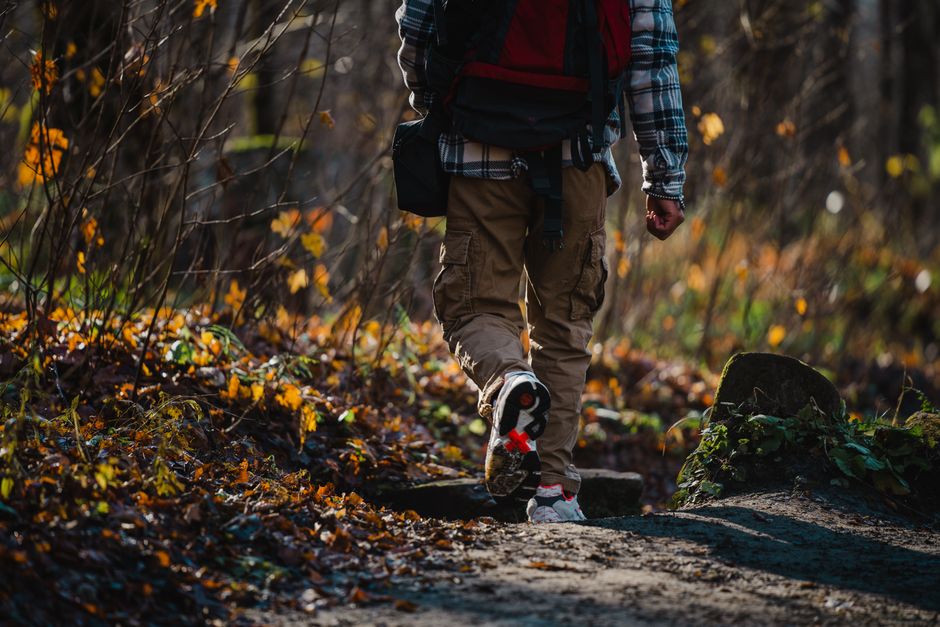
April is the month when a walk can finally become part of your day instead of another task you keep postponing. The evenings stay light longer, sidewalks dry out, and a 20-minute walk after dinner feels realistic again.
I have learned that the best walking plan is not the one with the biggest step target. It is the one that survives cold mornings, busy workdays, sore feet, and the first rainy week. Here is the setup I would use for walking for fitness in April, including the shoes and tracking tools worth buying and the ones I would skip.
Why April Is the Best Month to Start Walking Daily
A walking habit starts with a reliable cue
The basic problem is not a lack of fitness knowledge. Most people already know that walking more would help. The problem is remembering to walk when the day fills up. April gives you a useful natural cue: daylight lasts longer, so the walk can happen after work without changing your whole morning.
Attach the walk to something that already happens. Leave the house after lunch, walk as soon as you shut your laptop, or take ten minutes after dinner before sitting down. The cue matters more than motivation because motivation changes from one day to the next. A fixed cue removes one decision.
Start with a route that takes 15 to 20 minutes. That distance is long enough to raise your breathing rate but short enough to complete on a crowded day. If you finish with energy left, add another loop. Do not make the longer version the minimum.
The fitness benefit comes from repeatable effort
Walking works because it gives you a low-impact way to repeat movement often. A brisk pace means you can talk in short sentences but would not want to sing. That is a useful starting intensity for many healthy adults, but pace should never override pain, dizziness, unusual shortness of breath, or chest pressure. Stop and seek medical advice if those symptoms appear.
My April target is five purposeful walks and two easy movement days each week. The easy days can include a ten-minute stroll around the block. The goal is to build a pattern that still exists in May, not to win a single step-count contest.
How to Build a 30-Day Walking Routine in April
Use a floor, a target, and a stretch goal
My rule is simple: set a minimum so small that a bad day cannot erase the habit, then add time slowly. Record minutes walked, not only steps, because step totals change with height, route, and phone placement.
- Days 1–3: Walk for 15 minutes at an easy pace. Finish before your legs feel heavy.
- Days 4–7: Walk for 20 minutes on four days. Add one five-minute stroll if you spend most of the day sitting.
- Days 8–14: Make two walks brisk by adding three one-minute faster sections with two easy minutes between them.
- Days 15–21: Reach 25 to 30 minutes on four days. Keep one walk deliberately easy.
- Days 22–27: Add one longer weekend walk of 40 to 45 minutes, but keep the next day relaxed.
- Days 28–30: Repeat the week that felt sustainable. Do not test your maximum distance at the end of the month.
If you miss a day, resume at the next planned cue. Do not double the next walk to repay the missed one. That mistake turns a small interruption into sore calves and another missed week.
Choose routes before April begins. Keep one indoor backup for storms, such as a shopping-center loop, a treadmill, or repeated laps through a large building. A backup route protects the habit from weather without pretending every walk has to feel adventurous.
Which Walking Shoes Are Worth Buying?
My short list for pavement and daily errands
Buy shoes for the surface and the shape of your foot, not for the biggest cushioning claim on the box. For ordinary pavement, I prefer a stable heel, a breathable upper, and enough room for your toes to spread. Prices below are US list prices or common direct-store prices checked for 2026; sales and sizes change.
| Model | Useful specification | Best use | My verdict |
|---|---|---|---|
| Brooks Ghost 16 | $140 list; 12mm drop; 9.5 oz / 269g | Neutral feet and long pavement walks | Best all-round pick |
| New Balance Fresh Foam X 860v14 | $139.99; 8mm drop; 8.7 oz / 245.4g | Extra stability and wide sizes | Best for a support-focused fit |
| Hoka Clifton 9 | About $145 list; rocker shape; lightweight cushioning | Long walks when you like a rolling stride | Best for soft, easy miles |
How to avoid a bad shoe purchase
Try shoes late in the day, when feet are slightly larger. Wear the socks you will walk in and leave roughly a thumb-width of space beyond the longest toe. Walk around the store for several minutes. A shoe that pinches at the forefoot will not become comfortable because its color looks good.
Do not buy a stability shoe just because it sounds more protective. The 860v14 is my pick when you already know you like a guided, supportive feel. For a neutral walker, the Ghost 16 is the safer default. Skip both and choose a walking-specific model if you need a firmer sole, a lower heel, or a workplace shoe that handles standing better than running shoes.
Do You Need a Fitness Tracker for Daily Walking?
My opinion: buy the tracker that removes friction
You do not need a fitness tracker to get fit, but the right one can make a walking habit easier to see. My favorite budget choice for an iPhone owner is the Apple Watch SE 3 GPS, which starts at $249, comes in 40mm and 44mm cases, records GPS workouts, and offers up to 18 hours of normal battery life. It is easy to start a walk and useful for safety alerts, but nightly charging can break the routine for people who dislike extra devices.
The best long-battery option is the Garmin Forerunner 165. It launched at $249.99, offers up to 11 days in smartwatch mode and up to 19 hours in GPS mode, and has a 1.2-inch AMOLED display. I would buy it for someone who wants walking data, recovery prompts, and fewer charging interruptions.
When a simple band beats a smartwatch
The Fitbit Charge 6 remains the better fit for someone who wants a narrow band, built-in GPS, heart-rate tracking, and up to seven days of battery life. Its launch price was about $159, although current prices vary. It is less useful for calls and apps than an Apple Watch, but that limitation can help if phone notifications pull you away from the walk.
Do not buy a tracker to chase a perfect 10,000-step number. Set a personal baseline for one week, then add 500 to 1,000 steps or five minutes on selected days. The device should answer one practical question: did you complete the walk you planned?
What Stops a Walking Habit From Lasting?
What if my feet or knees start hurting?
Reduce time before you change everything else. Cut the next walk by one-third, slow down, and check whether your shoes rub or your route has too many hills. Mild muscle tiredness can follow a new routine, but sharp pain, swelling, limping, or pain that keeps worsening deserves a pause and professional advice.
What if the weather ruins the plan?
Use a weather rule before you need it. Light rain means a shorter route and a waterproof layer. Thunder, icy paths, high heat, or poor visibility means the indoor backup. Waiting until the weather is bad to invent a solution makes skipping feel like the only option.
What if I keep missing evening walks?
Move the cue earlier instead of blaming discipline. Put walking shoes beside the door, take ten minutes before lunch, or walk during the first half of a commute. The best time is the one you can repeat at least five days out of seven. A 12-minute morning walk done consistently beats a 60-minute evening walk that happens once a week.
The most common buying mistake is trying to solve a scheduling problem with equipment. New shoes can protect your feet, and a tracker can show progress, but neither can create a free hour. Fix the route and the cue first; buy gear only when it removes a real obstacle.
My Clear April Walking Setup
The verdict I would follow
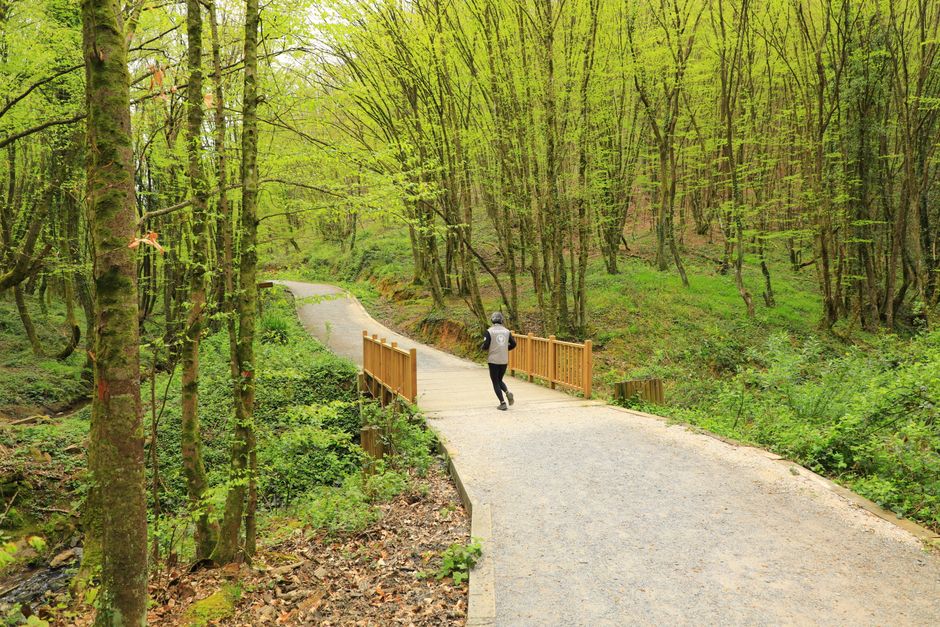
I would begin with a 20-minute route tied to the end of lunch or work, use the Brooks Ghost 16 for a neutral pavement setup, choose the New Balance 860v14 only if I already knew I preferred added stability, and buy the Garmin Forerunner 165 when long battery life mattered more than smartwatch features; if I used an iPhone and wanted the simplest workout controls, I would choose the Apple Watch SE 3 instead, while skipping a tracker entirely if charging and notifications tend to become distractions.
I would increase time by five minutes every few days, keep one easy day after each longer walk, and judge success by four weeks of repeatable outings rather than a dramatic step total in the first week.
The most important takeaway is this: make the April walk easy to start, short enough to repeat, and useful enough to keep doing in May.
Always consult a qualified healthcare professional before making health-related decisions.