

Protein powder is a cornerstone supplement for many aiming to build muscle, recover faster, or meet daily nutritional goals. With an overwhelming number of options, choosing the right brand can be difficult. This guide cuts through the noise, offering clear, data-backed insights to help you make an informed decision.
Whey Protein: Isolate, Concentrate, and Hydrolyzed Compared
Whey protein remains the most popular choice due to its rapid digestion and comprehensive amino acid profile. It comes in three primary forms, each with distinct characteristics and ideal uses. Understanding these differences is key to selecting the right product for your needs.
| Type | Protein Content | Lactose/Fat | Absorption Rate | Ideal Use |
|---|---|---|---|---|
| Whey Concentrate | 70-80% | Higher | Moderate | Budget-friendly, general use, post-workout |
| Whey Isolate | >90% | Very Low | Fast | Lactose-sensitive, cutting phases, quick recovery |
| Whey Hydrolyzed | >90% | Minimal | Very Fast | Sensitive stomachs, rapid recovery, pre/intra-workout |
Each type offers specific advantages. Your choice depends on dietary sensitivities, budget, and desired absorption speed.
Whey Protein Concentrate: Cost-Effective Choice
Whey concentrate is the least processed form of whey protein. It contains more fats, carbohydrates, and lactose compared to isolate or hydrolyzed versions. This makes it a more affordable option, often found in blends like Optimum Nutrition Gold Standard 100% Whey. It’s excellent for general muscle growth and recovery, especially if you have no lactose sensitivities and are not strictly monitoring fat or carb intake.
Whey Protein Isolate: Purity for Performance
Whey isolate undergoes further processing to remove most of the fat and lactose, resulting in a protein content often exceeding 90%. This makes it a superior choice for individuals with lactose intolerance or those looking for a very lean protein source. Brands like Transparent Labs 100% Grass-Fed Whey Protein Isolate offer high-purity options, ensuring minimal additional ingredients. Its fast absorption makes it ideal for post-workout recovery when muscle repair is critical.
Whey Protein Hydrolyzed: Fastest Absorption
Hydrolyzed whey is pre-digested, meaning the protein chains are broken down into smaller peptides. This allows for extremely rapid absorption, making it the fastest-acting whey protein. It’s often chosen by athletes seeking immediate nutrient delivery to muscles or individuals with digestive issues. While typically the most expensive, its rapid action can be beneficial during intense training cycles or for specific recovery protocols.
Plant-Based Protein: Navigating the Best Vegan Options
For those following a vegan diet, or simply seeking alternatives to dairy, plant-based protein powders have become highly effective. They offer a diverse range of sources, each bringing unique benefits. The key is often finding a blend that provides a complete amino acid profile, mimicking animal proteins.
Many brands now focus on creating comprehensive plant-based formulas. These blends combine different protein sources to ensure all essential amino acids are present. This synergy makes plant proteins a viable and often preferable option for many. They are typically easier to digest for some individuals and are free from common allergens like dairy or soy, depending on the source.
Pea Protein: The All-Rounder
Pea protein is a popular base for many plant-based powders due to its high protein content and robust amino acid profile, particularly rich in branched-chain amino acids (BCAAs). It’s easily digestible and generally well-tolerated. It has a neutral taste, making it versatile for various shakes and recipes. Products like Garden of Life Raw Organic Protein often feature pea protein as a primary ingredient, providing a strong foundation for muscle support.
Rice Protein: Hypoallergenic Alternative
Brown rice protein is another excellent plant-based option, known for being hypoallergenic and easy on the digestive system. While not a complete protein on its own, it’s often combined with pea protein to create a full amino acid spectrum. This pairing ensures users receive all necessary amino acids for muscle growth and repair. It’s a great choice for those with sensitivities to pea or other common protein sources.
Blended Plant Proteins: Synergistic Benefits
The strength of plant-based protein often lies in carefully crafted blends. Combining pea protein with rice, hemp, or even pumpkin seed protein creates a superior product that offers a complete amino acid profile. These blends harness the unique strengths of each plant source, compensating for any individual deficiencies. This ensures maximum nutritional value, supporting everything from muscle recovery to overall wellness. Blends are the most effective way to ensure a complete amino acid intake from plant-based sources.
Casein Protein: Sustained Release for Overnight Recovery
Unlike whey, casein protein is renowned for its slow and sustained release of amino acids into the bloodstream. This makes it an ideal choice for specific timing strategies, particularly before extended periods without food, such as overnight. Its unique digestive properties help prevent muscle breakdown and support continuous muscle repair.
When consumed, casein forms a gel-like substance in the stomach. This slows down the digestion process significantly, releasing amino acids gradually over several hours. This extended delivery makes it excellent for maintaining an anabolic state and reducing catabolism. Athletes often use casein as a nighttime supplement to fuel muscle recovery and growth while they sleep.
Micellar Casein: Slowest Digestion
Micellar casein is the purest and most common form of casein protein. It is minimally processed, preserving its natural structure which contributes to its slow digestion rate. This makes it the preferred choice for a nighttime protein source, ensuring a steady supply of amino acids throughout sleep. NOW Sports Micellar Casein is a well-regarded option known for its purity and effectiveness. Its sustained release helps optimize muscle protein synthesis for extended periods.
Calcium Caseinate: Alternative Casein Form
Calcium caseinate is another form of casein, often found in protein blends or as a standalone ingredient. It is slightly more processed than micellar casein and can be absorbed a bit faster, though still considerably slower than whey. While it provides a good source of sustained protein, micellar casein is generally favored for its superior slow-release properties. Calcium caseinate can be a more budget-friendly option and is still effective for prolonged amino acid delivery.
How to Evaluate Protein Powder Quality
Choosing a protein powder goes beyond just flavor. Quality dictates effectiveness and safety. Knowing what to look for on the label helps you pick a product that truly supports your health and fitness goals. Don’t just settle for the cheapest option.
-
1. Check the Amino Acid Profile
A high-quality protein powder should provide a complete amino acid profile, meaning it contains all nine essential amino acids (EAAs) that your body cannot produce on its own. Look for products that list their BCAA content (leucine, isoleucine, valine), especially leucine, which is critical for initiating muscle protein synthesis. Ensure the protein source is clearly stated and that it aligns with your dietary needs, whether that’s whey, casein, or a plant-based blend.
-
2. Look for Third-Party Testing
Transparency and safety are . Reputable brands submit their products to independent third-party testing organizations. Certifications like Informed-Sport, NSF Certified for Sport, or USP Verified indicate that the product has been tested for banned substances, contaminants, and label accuracy. These certifications provide assurance that what’s on the label is actually in the tub, and nothing else harmful.
-
3. Analyze the Ingredient List
A shorter, cleaner ingredient list is generally better. Be wary of excessive fillers, artificial colors, flavors, or sweeteners. While some artificial sweeteners like sucralose are common, excessive amounts or a long list of unpronounceable ingredients can be a red flag. Focus on the protein source, natural flavorings (if preferred), and minimal additives. If you have specific dietary restrictions, check for common allergens like soy, gluten, or dairy.
Understanding Protein Powder Ingredients and Additives
The label on your protein powder can sometimes read like a chemistry textbook. Many ingredients beyond the core protein are added for flavor, texture, or perceived benefits. Understanding these additives helps in making an informed choice, especially if you have sensitivities or specific health goals.
Not all additives are bad. Some are necessary for texture or shelf life. However, certain ingredients can cause digestive distress or simply aren’t needed. Knowing what to scrutinize allows you to select a cleaner product that truly benefits your body.
What are common artificial sweeteners to watch out for?
Common artificial sweeteners include sucralose, aspartame, acesulfame potassium (Ace-K), and saccharin. While generally recognized as safe by regulatory bodies in moderate amounts, some individuals report digestive issues or prefer to avoid them due to personal preferences. For those seeking alternatives, look for products sweetened with stevia, monk fruit extract, or simply unsweetened versions where you can add your own natural sweeteners.
Are digestive enzymes truly beneficial?
Some protein powders include digestive enzymes like lactase, protease, or papain. The idea is that these enzymes aid in the breakdown and absorption of protein, potentially reducing bloating or discomfort. For individuals with lactose intolerance, lactase is genuinely beneficial if consuming whey concentrate. For others, the benefit might be less pronounced, as a healthy digestive system usually produces enough enzymes. However, they are generally harmless and might provide a slight edge for sensitive individuals.
Should I avoid thickeners and gums?
Thickeners and gums, such as xanthan gum, guar gum, and carrageenan, are often added to improve the texture and mouthfeel of protein shakes. They prevent separation and give a creamier consistency. While they are safe for consumption in the small amounts used, some people experience digestive upset, including bloating or gas, from these ingredients. If you notice digestive issues with your protein powder, checking for and potentially avoiding products with these additives might be beneficial.
Top Brands for Specific Needs
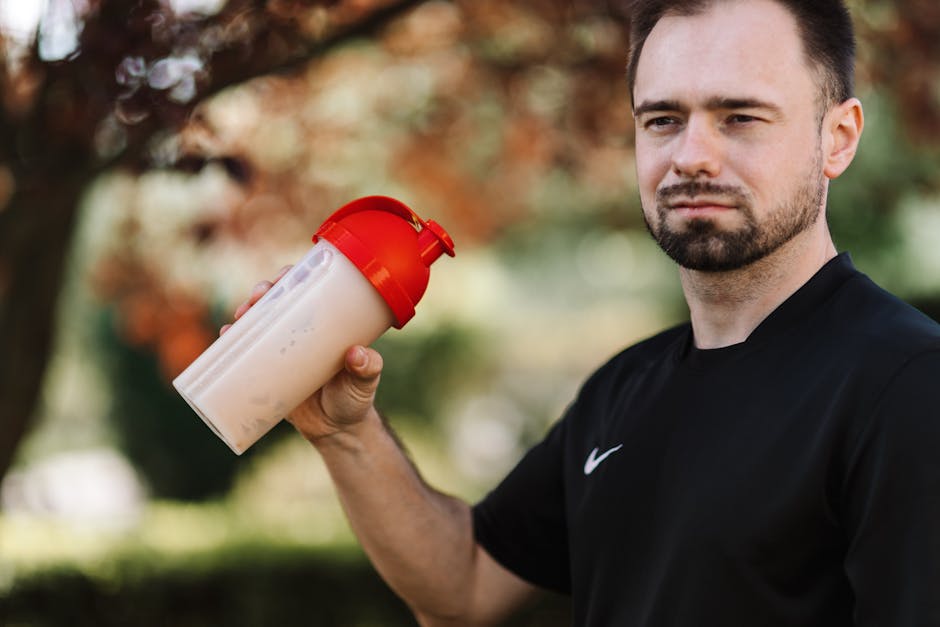
Choosing the best protein powder often boils down to individual needs: budget, ingredient preferences, and specific goals. While many brands offer quality products, a few consistently stand out for their reliability and effectiveness in different categories.
My clear recommendations prioritize a balance of quality, efficacy, and value. These brands have established reputations for delivering on their promises, making them trusted choices for various fitness journeys. They represent the benchmark in their respective niches.
Best Overall Value: Myprotein Impact Whey
For those seeking excellent quality without breaking the bank, Myprotein Impact Whey is an undisputed leader. It consistently offers a high protein content per serving (around 82%), a comprehensive amino acid profile, and a vast array of flavors. It’s a whey concentrate, making it cost-effective, but Myprotein’s quality control is rigorous. This makes it an ideal choice for everyday use, whether you’re a beginner or an experienced lifter.
Best for Clean Ingredients: Transparent Labs
If your priority is minimal processing and the cleanest possible ingredients, Transparent Labs stands out. Their 100% Grass-Fed Whey Protein Isolate is known for its high protein purity (over 90%), being free from artificial sweeteners, colors, and preservatives. It’s sourced from grass-fed cows, appealing to those who prioritize ethical sourcing and a very natural product. The commitment to transparency in their ingredient list is unmatched, making it a premium choice.
Best for Muscle Building: Optimum Nutrition Gold Standard
When muscle gain and recovery are the primary focus, Optimum Nutrition Gold Standard 100% Whey remains a top contender. It’s a blend of whey isolate, concentrate, and peptides, providing both fast and sustained amino acid delivery. Its high BCAA content directly supports muscle protein synthesis. With a long-standing reputation for quality and efficacy, it’s a reliable choice for serious athletes and bodybuilders seeking consistent results.
The Final Word on Choosing Your Protein Powder
Selecting the best protein powder truly depends on your specific dietary requirements, fitness goals, and personal budget. Whether you opt for the rapid absorption of a whey isolate, the sustained release of casein, or a complete plant-based blend, an informed choice empowers you. Focus on quality ingredients, third-party testing, and a product that aligns with your body’s needs. The right protein powder will effectively support your journey towards better health and performance.