
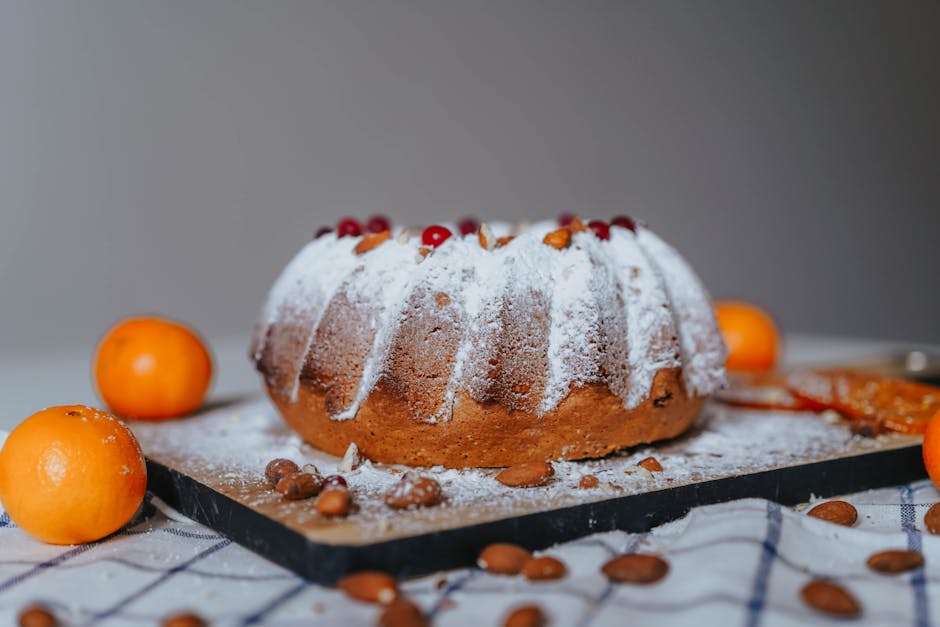
Transforming a tub of industrial-grade protein into a decadent, melt-in-your-mouth souffle is less about following a traditional recipe and more about managing a complex chemical reaction. Most home bakers approach protein powder as if it were a direct substitute for flour, only to be met with a kitchen disaster that is better suited for a hockey rink than a dessert plate. The chemical transformation of protein powder from a dry, shelf-stable supplement into a palatable dessert requires more than just a whisk and a prayer. Most fitness enthusiasts have experienced the disappointment of a rubbery mug cake or a dry, chalky brownie that tastes more like cardboard than cocoa. This happens because protein powders are not direct 1:1 substitutes for flour or sugar. They are highly concentrated isolates and concentrates that behave uniquely when exposed to heat, moisture, and mechanical agitation. Achieving a gourmet result necessitates an understanding of the specific amino acid structures and hydration capacities of different protein sources.
The Molecular Behavior of Protein Powders in High-Heat Environments
To master protein powder desserts, one must first acknowledge that protein is a drying agent. Unlike wheat flour, which contains starch that gelatinizes and holds moisture, protein powders—especially whey—tend to absorb liquid and then expel it during the baking process. This leads to the infamous ‘rubbery’ texture. Whey protein is particularly notorious for this because it denatures quickly at high temperatures. When the proteins unfold and bond together (cross-linking), they form a tight, elastic matrix. If you don’t introduce enough fat or moisture-retaining agents like applesauce, mashed bananas, or Greek yogurt, your dessert will inevitably lose its structural appeal.
The science of denaturation is the primary hurdle. When you heat protein, the neatly folded chains of amino acids begin to unravel. In a traditional cake, gluten provides the structure, but it does so while trapping gases. In a protein-heavy batter, the absence of gluten means the protein chains themselves must provide the structure. However, without the buffering effect of starches, these chains bond too tightly. This is why a protein brownie often feels “bouncy” rather than “fudgy.” To counteract this, we must introduce interference agents—fats, fibers, and humectants—that sit between the protein chains and prevent them from forming that impenetrable, rubbery wall.
Whey vs. Casein: The Hydration Spectrum
Whey protein is hydrophilic but does not provide much structural ‘bulk’ once heated. In contrast, casein protein is the MVP of the dessert world. Casein molecules form large clusters called micelles. These micelles can trap significant amounts of water and air, which is why casein-based puddings are thick and creamy while whey puddings often remain runny. When baking, a blend of whey and casein—often referred to as a milk protein isolate—usually yields the best crumb. The whey provides the protein density, while the casein provides the moisture retention and structural integrity needed to mimic traditional flour-based baked goods.
Furthermore, the hydration rate differs significantly. Whey protein dissolves almost instantly, which can lead to a thin batter that doesn’t rise well. Casein, however, absorbs liquid slowly and continues to thicken over time. This is why many experienced fit-bakers recommend letting a casein-based batter sit for at least five to ten minutes before it hits the oven. This “resting phase” allows the micellar structures to fully hydrate, ensuring that the final product isn’t riddled with dry, unmixed pockets of powder.
The Role of Plant Proteins in Vegan Baking
Plant-based proteins, such as pea, rice, and soy, bring a different set of challenges. Pea protein is exceptionally absorbent—often requiring twice the amount of liquid as whey. However, it lacks the elastic properties of dairy proteins. This means plant-based protein powder desserts can often turn out crumbly or ‘sandy’ if a binding agent like flax eggs or xanthan gum isn’t utilized. The earthy flavor profile of plant proteins also requires more aggressive flavoring, such as high-quality Dutch-processed cocoa or almond extract, to mask the vegetal undertones.
Rice protein, specifically, has a very high “grit” factor. If you are using a rice-heavy blend, the dessert may feel like it has fine sand in it unless it is paired with a high-fat ingredient like coconut cream or nut butter. The fat coats the jagged protein particles, smoothing out the mouthfeel. When working with plant proteins, the goal is “cohesion.” Since these proteins do not naturally want to stick together in a cohesive crumb, the addition of a starch (like tapioca or arrowroot) or a hydrocolloid (like xanthan gum) becomes non-negotiable for anyone seeking a professional-grade texture.
Optimizing Whey Protein for Soft Textures and Quick Bakes
Whey protein is the most common supplement in the pantry, but it is also the most difficult to bake with. Because it is highly sensitive to temperature, it is best suited for ‘no-bake’ recipes or very fast cooking methods like mug cakes. The goal with whey is to minimize the time it spends in the heat to prevent excessive cross-linking. If you are using a pure whey isolate, you are essentially working with a pure protein strand that has zero buffers against dryness. Using a whey concentrate, which contains small amounts of fats and lactose, often results in a more tender finished product.
Product Spotlight: Optimum Nutrition Gold Standard Whey
- Approximate Price: $44.99 for a 2lb tub.
- Specs: 24g Protein, 3g Carbohydrates, 1g Fat, 120 Calories per serving.
- Pro: Exceptional solubility and a wide variety of flavors (like Extreme Milk Chocolate) that remain stable during short-duration heating.
- Con: Becomes extremely tough if baked for longer than 12-15 minutes at standard temperatures due to its high isolate content.
The 60-Second Chocolate Whey Mug Cake
This recipe is designed to circumvent the rubbery texture by using a high ratio of moisture-rich ingredients. By cooking it quickly in the microwave, you stop the protein from over-denaturing. You will need:
- 1 scoop (approx. 30g) Optimum Nutrition Double Rich Chocolate Whey
- 1 tablespoon coconut flour (for fiber and structure)
- 1 tablespoon unsweetened cocoa powder
- 1/4 teaspoon baking powder
- 1/4 cup unsweetened almond milk
- 1 tablespoon liquid egg whites or 1 tablespoon applesauce
- Whisk the dry ingredients in a microwave-safe mug until no clumps remain.
- Add the almond milk and egg whites/applesauce. Stir until a thick batter forms.
- Microwave on high for 45 to 60 seconds. The center should still look slightly moist.
- Let it sit for 2 minutes. This ‘carry-over’ cooking is essential for a soft texture.
Pro Tip: Never bake whey protein above 350°F (175°C). Higher temperatures accelerate the drying process, turning a potential brownie into a hockey puck in a matter of seconds. For the best results, 325°F is often the “sweet spot” for whey-based cookies.
Casein Protein as a Structural Foundation for Slow-Cooked Treats
If you want to make something that actually resembles a traditional cake or a thick mousse, casein is the superior choice. Casein is the protein found in the curds of milk. Its slow-digesting nature is mirrored by its slow-reacting nature in the kitchen. It doesn’t freak out when it hits the oven. Instead, it absorbs the liquids in the batter and holds onto them, creating a much denser, fudgier consistency. Many professional ‘fit-bakers’ use a 50/50 mix of casein and whey to get the best of both worlds: the flavor of whey and the texture of casein.
Product Spotlight: Dymatize Elite Casein
- Approximate Price: $39.99 for a 2lb tub.
- Specs: 25g Protein, 3g Carbohydrates, 1.5g Fat, 130 Calories per serving.
- Pro: Thickens instantly upon contact with liquid, making it perfect for ‘protein sludge’ or thick puddings. It maintains a creamy texture even after refrigeration.
- Con: Can have a slightly chalky aftertaste if not paired with a strong fat source like peanut butter or whole eggs.
The Nighttime ‘Protein Sludge’ Mousse
This is a no-bake dessert that leverages casein’s unique ability to thicken. It is ideal for a pre-sleep snack due to the slow amino acid release. It requires zero cooking, just mechanical energy. To make it, combine:
- 1 scoop Dymatize Elite Casein (Vanilla or Chocolate)
- 2 tablespoons PB2 (powdered peanut butter) or 1 tablespoon almond butter
- 1/2 cup plain Greek yogurt (0% or 2% fat)
- A splash of water or milk to reach desired consistency
The key here is the Greek yogurt. The acidity in the yogurt reacts with the casein to create a velvety, mousse-like texture. Stir vigorously for at least two minutes. The more you stir, the more the casein hydrates, and the thicker the dessert becomes. Top with a few sea salt flakes to cut through the sweetness of the protein powder.
| Protein Type | Best Use Case | Texture Profile | Heat Stability |
|---|---|---|---|
| Whey Isolate | No-bake bars, smoothies | Thin, can be rubbery | Low |
| Whey Concentrate | Mug cakes, pancakes | Soft, slightly moist | Medium-Low |
| Micellar Casein | Cakes, puddings, brownies | Thick, fudgy, dense | High |
| Pea/Rice Blend | Cookies, muffins | Crumbly, hearty | Medium |
Navigating the Texture Challenges of Plant-Based Protein Desserts
Vegan protein powders—usually a blend of pea, brown rice, and pumpkin seed—are the most difficult to work with if you are looking for a ‘light’ dessert. They are inherently dense and have a high fiber content. This is great for satiety, but it can make a cake feel like a brick. The secret to successful plant-based protein powder desserts is the inclusion of a ‘moisture anchor.’ This is an ingredient that holds water even when the protein tries to soak it all up. Pureed pumpkin, cooked sweet potato, or even black beans are standard tools in the vegan protein baker’s arsenal.
Product Spotlight: Garden of Life Raw Organic Protein
- Approximate Price: $42.00 for a 20-serving container.
- Specs: 22g Protein, 2g Carbohydrates, 3g Fiber, 110 Calories per serving.
- Pro: Includes probiotics and enzymes, making it very easy on the digestive system compared to dairy. It is also raw and minimally processed.
- Con: The texture is noticeably grainy, which can be distracting in smooth puddings or delicate cakes.
Fudgy Vegan Protein Brownies
These brownies rely on the density of the plant protein rather than fighting against it. By using black beans as a base, you provide the structure that pea protein lacks. You will need:
- 1 can (15oz) black beans, rinsed and drained thoroughly
- 2 scoops Garden of Life Chocolate Protein Powder
- 1/3 cup maple syrup or liquid stevia equivalent
- 1/4 cup melted coconut oil
- 1/2 cup dark cocoa powder
- 1 teaspoon vanilla extract
Process all ingredients in a food processor until completely smooth. The batter will be very thick. Fold in some dark chocolate chips if your macros allow. Spread into an 8×8 inch pan and bake at 350°F for 20-25 minutes. Unlike whey brownies, these actually improve after a night in the refrigerator, as the plant proteins and starches have time to set and mellow.
The Essential Pantry for Protein Bakers
If you are serious about moving beyond the basic mug cake, you need a specialized pantry. Standard baking ingredients often fail when paired with high-protein loads. One of the most critical additions is Xanthan Gum. Because protein powders lack gluten, the “glue” that holds baked goods together is missing. Xanthan gum acts as a synthetic gluten, providing elasticity and preventing the dessert from crumbling into dust the moment you pick it up. A mere 1/4 teaspoon is usually enough for an entire batch of cookies.
Another essential is Coconut Flour. Unlike almond flour or all-purpose flour, coconut flour is incredibly hygroscopic, meaning it attracts water. When used in small amounts (1-2 tablespoons), it helps “lock” moisture into the protein matrix, preventing the protein from expelling all its liquid during the baking process. Finally, always keep Unsweetened Applesauce or Pureed Pumpkin on hand. These act as “fat replacers” that provide the bulk and moisture needed to keep the protein chains separated, ensuring a tender crumb.
| Moisture Anchor | Best Paired With | Caloric Impact | Primary Benefit |
|---|---|---|---|
| Greek Yogurt | Whey/Casein | Low | Adds tang and creaminess |
| Mashed Banana | Whey | Moderate | Natural sweetness and binding |
| Pureed Pumpkin | Plant Protein | Very Low | High fiber, excellent moisture |
| Avocado | Chocolate Casein | High | Healthy fats, extreme fudginess |
Technical Troubleshooting for Macro-Friendly Confections
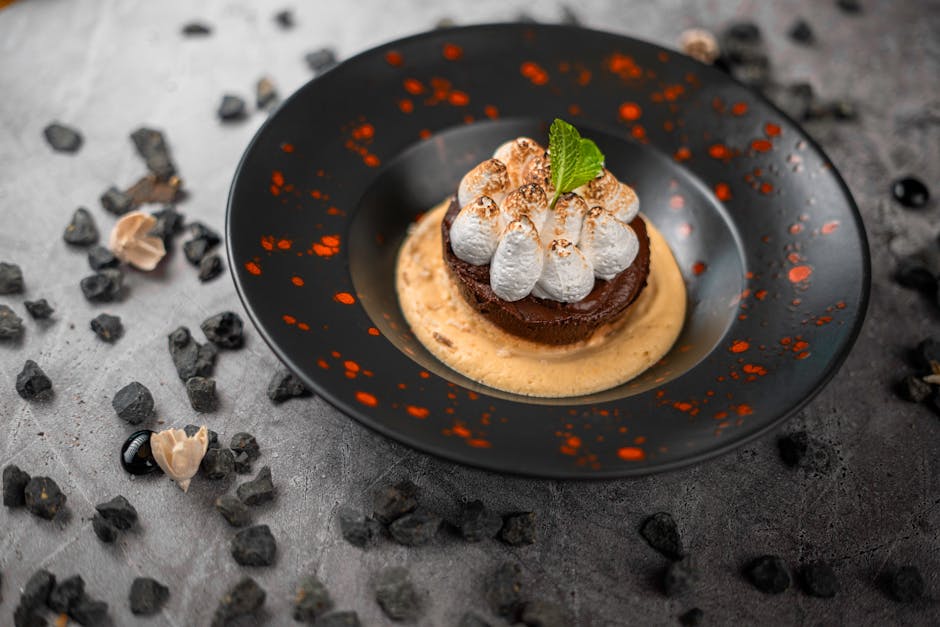
Even with the right powder, things can go wrong. The most common issue is the ‘Flavor Gap.’ Protein powders are sweetened with non-nutritive sweeteners like sucralose, stevia, or monk fruit. When these are heated, their sweetness profile can change, sometimes becoming bitter or metallic. To fix this, always add a pinch of salt. Salt suppresses bitter receptors on the tongue and enhances the perception of sweetness. Additionally, adding a teaspoon of instant espresso powder to chocolate-flavored protein desserts will deepen the cocoa notes without making the dessert taste like coffee.
Dealing with the ‘Chalk’ Factor
If your dessert feels chalky, it is a sign of under-hydration. The protein particles haven’t fully absorbed the liquid. To prevent this, let your batter sit for 10 minutes before putting it in the oven or microwave. This ‘resting’ period allows the protein strands to fully hydrate, resulting in a smoother mouthfeel. If you are using a very lean isolate, consider adding a fat source like egg yolks or a tablespoon of nut butter. Fat coats the protein molecules, preventing them from clumping together and creating that sandy texture.
The Measurement Trap
Never rely on ‘scoops’ as a precise measurement for baking. A ‘scoop’ can vary by 5-10 grams depending on how tightly the powder is packed. In the world of protein powder desserts, a 10-gram error is the difference between a moist cake and a dry mess. Always use a digital kitchen scale. Most standard scoops are 30-33 grams. If a recipe calls for a scoop, weigh it out to 30 grams to ensure consistency. Precision is the bridge between a supplement and a snack that you actually look forward to eating.
Temperature Mastery and Storage Protocols
The final frontier of protein baking is temperature management. Traditional baking relies on the Maillard reaction—the browning of sugars and proteins—to create flavor. However, because protein powders are often pre-processed and contain artificial sweeteners, they don’t brown the same way. If you wait for a protein cookie to look “golden brown,” you have likely already overcooked it. Protein desserts should be removed from the oven when they still look slightly underdone in the center. The residual heat (carry-over cooking) will finish the process without drying out the interior.
Storage is equally vital. Protein desserts lose moisture much faster than traditional treats. To