
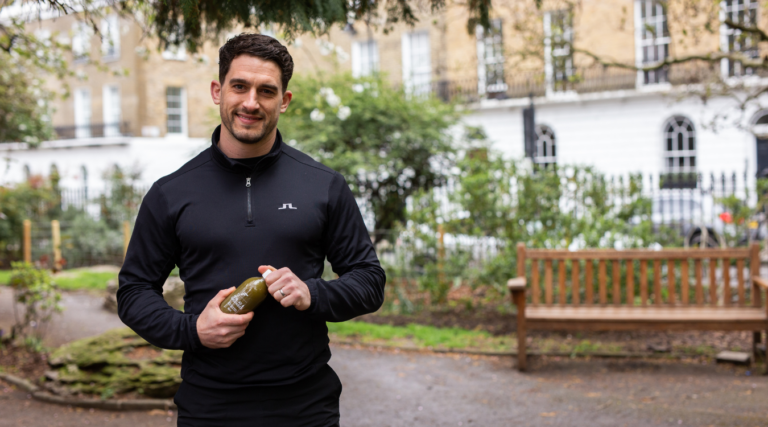
One in three Americans who drink say they’ve tried to cut back in the past year. Yet most of us fail within two weeks. Not because we lack willpower. Because the strategies we use — going cold turkey, swearing off booze forever — don’t fit how our brains actually work. Mindful drinking isn’t about deprivation. It’s about making choices that feel good in the moment and leave you with zero regret the next morning. Here are five ways to start today.
Why Most People Fail at Cutting Back (and What Works Instead)
The standard advice is terrible. “Just drink less.” That’s like telling someone who’s drowning to just breathe less water. If you’ve tried to cut back and bounced right back to your old habits, you’re not broken. You’re using the wrong method.
The problem is binary thinking. You’re either “on the wagon” or “off.” One glass of wine becomes three because the first sip feels like failure. That’s the abstinence violation effect — a well-documented psychological pattern where a single slip triggers a full relapse.
Mindful drinking flips this. Instead of rigid rules, you use flexible strategies that adapt to real life. A birthday party. A work dinner. A Tuesday night when you just need to unwind.
Here’s what actually works:
- Pre-commitment: Decide before you’re thirsty. Set a specific number (e.g., two drinks max) and stick to it.
- Delay the first drink: Wait 20 minutes after arriving at a social event before ordering. The initial social anxiety fades, and you realize you don’t need alcohol to relax.
- Track without judgment: Use an app like Less or Try Dry to log drinks. The act of recording changes behavior more than any rule.
The goal isn’t to drink less forever. It’s to drink less tonight. One night at a time.
Tip #1: Swap Your First Drink for a Non-Alcoholic Option
Most people drink out of habit, not craving. You walk in the door after work, you pour a glass of wine. Your friend orders a round, you nod along. The first drink is almost never about taste. It’s about the ritual.
Replace that first drink with a non-alcoholic version of something you already like. The key is specificity. Don’t just grab sparkling water. Pick a product that mimics the experience you’re after.
Good options right now:
- Athletic Brewing Run Wild IPA ($11.99 for a 6-pack) — tastes like a real IPA, 0.5% ABV. Crisp, hoppy, satisfying.
- Seedlip Garden 108 ($32 for 700ml) — a distilled non-alcoholic spirit. Mix with tonic and a sprig of rosemary. Feels like a real cocktail.
- Lyre’s American Malt ($29 for 700ml) — mimics the flavor of a whiskey-based drink. Works in an Old Fashioned without the burn.
One rule: don’t tell yourself you’re “not drinking.” That creates deprivation. Instead, say “I’m having this first.” You might decide to switch to a real drink later. Or you might not. The point is you made a choice, not a sacrifice.
Why this works: The first drink is the highest-risk moment for overconsumption. Your blood alcohol is zero, your inhibition is high, and the social pressure is strongest. Replace it, and you’ve already won the hardest battle of the night.
Tip #2: Use the 1:1 Rule — One Drink, One Water
This is the single most effective tactic I’ve found. It’s simple, easy to remember, and doesn’t require willpower after the first few times.
Every time you finish an alcoholic drink, you must drink a full glass of water before you can have another. Not a sip — a full glass. 8 ounces minimum.
Here’s what happens:
- You drink slower. The water fills your stomach, so the next drink comes later.
- You stay hydrated. Hangovers are 80% dehydration. Less headache = less regret.
- You naturally drink less. Most people hit their limit after 2-3 alcoholic drinks because the water keeps them full.
I tested this at a wedding last summer. Started with a glass of champagne at the toast. Then water. Then a glass of red wine. Then water. By the time dinner ended, I’d had two drinks total over four hours. Everyone else was on their fourth or fifth. I woke up at 7am the next day feeling fine, went for a run, and had zero shame about what I’d said on the dance floor.
The failure mode: People skip the water because they feel awkward carrying two glasses. Solution: keep a water bottle in your bag or order a tall water with ice and lime. It looks like a drink. Nobody asks questions.
This tip works because it doesn’t ask you to stop drinking. It asks you to pause. And that pause is where the mindful choice happens.
Tip #3: Rate Your Drinks on a 1-10 Scale Before You Order
Most drinking is autopilot. You’re at a bar, the server asks what you want, and you blurt out your usual. No thought. No awareness.
Mindful drinking requires a moment of conscious choice. Here’s a simple method: before you order any alcoholic drink, ask yourself: On a scale of 1-10, how much do I actually want this right now?
If the answer is 6 or below, order something else. A soda water with lime. A kombucha. A non-alcoholic beer. If it’s 7 or above, order the drink and enjoy it fully — no guilt, no half-drinking it while scrolling your phone.
Why the scale works:
- It forces you to check in with your body, not your habits.
- It turns an automatic behavior into a deliberate one.
- It gives you permission to drink when you genuinely want to, which makes it easier to skip when you don’t.
I use this at work events. The first drink is usually a 4 — I’m just nervous and want something to hold. I order sparkling water with lime. By the third round, when I’ve actually relaxed and want to socialize, the number hits an 8. I order a glass of wine. I drink it slowly. I enjoy it. And I stop there.
The scale works because it acknowledges nuance. You’re not saying “I never drink.” You’re saying “I drink when it’s worth it.” That’s a much healthier relationship with alcohol.
Tip #4: Change Your Drinking Environment (Not Just Your Drink)
This is the tip nobody talks about. Your environment drives your drinking more than your cravings do.
If you always drink wine while cooking dinner, your kitchen triggers the urge. If you always have a beer while watching football, the game itself becomes a cue. Your brain pairs the activity with the alcohol. Break the pairing, and the craving fades.
Three ways to change your environment:
- Change the glass: Use a smaller wine glass. A standard 12-ounce wine glass holds 3 servings of wine if filled to the rim. A 6-ounce glass forces you to pour smaller portions. Studies show people pour 12% less wine into a narrow glass than a wide one.
- Change the location: If you always drink on the couch, move to the kitchen table. If you always drink at happy hour, try a coffee shop first, then decide if you want to go to the bar.
- Change the company: Drink with people who drink slowly. Social mimicry is real — you naturally match the pace of the people around you. If everyone else is sipping, you’ll sip too.
Real example: A friend of mine wanted to cut back on evening wine. She always poured a glass while cooking dinner. She switched to making a pot of herbal tea first, then deciding if she still wanted wine. Most nights, she didn’t. The tea broke the automatic pairing. She went from 5 glasses a week to 1 without any willpower battle.
Your environment is the silent driver of your habits. Change it, and you change the behavior without trying.
Tip #5: Track Your Drinking for One Week (Honestly)
Most people underestimate how much they drink by 30-50%. Not because they’re lying. Because they don’t remember. A glass of wine at dinner. A beer after work. A shot at a party. It adds up fast.
For one week, write down every single alcoholic drink you consume. Include the type, the amount (in ounces or standard drinks), and the context (where, when, with whom).
What to track:
| Day | Drink | Amount | Context |
|---|---|---|---|
| Monday | Red wine | 6 oz | Dinner at home, alone |
| Tuesday | IPA beer | 12 oz | Happy hour with coworkers |
| Wednesday | None | — | — |
| Thursday | Whiskey neat | 2 oz | After work, stressed |
| Friday | 2 glasses champagne + 1 cocktail | 12 oz total | Friend’s birthday party |
| Saturday | 3 beers | 36 oz | Barbecue, all afternoon |
| Sunday | None | — | — |
After one week, look at the pattern. Not the total — the pattern. Which days are highest? Which contexts trigger the most drinking? What emotions are present?
Common patterns:
- Weekday drinking is often habit-driven (same time, same place).
- Weekend drinking is often social-driven (parties, events, friends).
- Stress drinking happens alone, usually in the evening.
Once you see the pattern, you can target the specific trigger. If Thursday night stress drinking is the problem, you don’t need to fix Friday night parties. You need a different stress response on Thursday. A walk. A call with a friend. A 10-minute breathing exercise.
The failure mode: People track for a day or two, then stop. They don’t want to see the number. That’s exactly why you need to see it. One week of honest tracking will tell you more than a year of vague intentions.
The One Thing That Changes Everything
Mindful drinking isn’t about drinking less. It’s about drinking on purpose. Every drink you take should be a choice you made with full awareness, not a reflex. Start with one tip. Pick the one that feels easiest. Try it for a week. Then add another. The goal isn’t perfection. It’s progress. One drink at a time.
Medical Disclaimer: This content is for informational purposes only and does not constitute medical advice. Always consult a qualified healthcare professional before making health-related decisions.