
The weeknight problem is familiar: you want a substantial dinner, but the protein is still at the store, the vegetables are nearing their final day, and nobody has the patience for a long recipe. A stocked seafood shelf changes that equation. It gives the meal a center before the rest of the plan is finished.
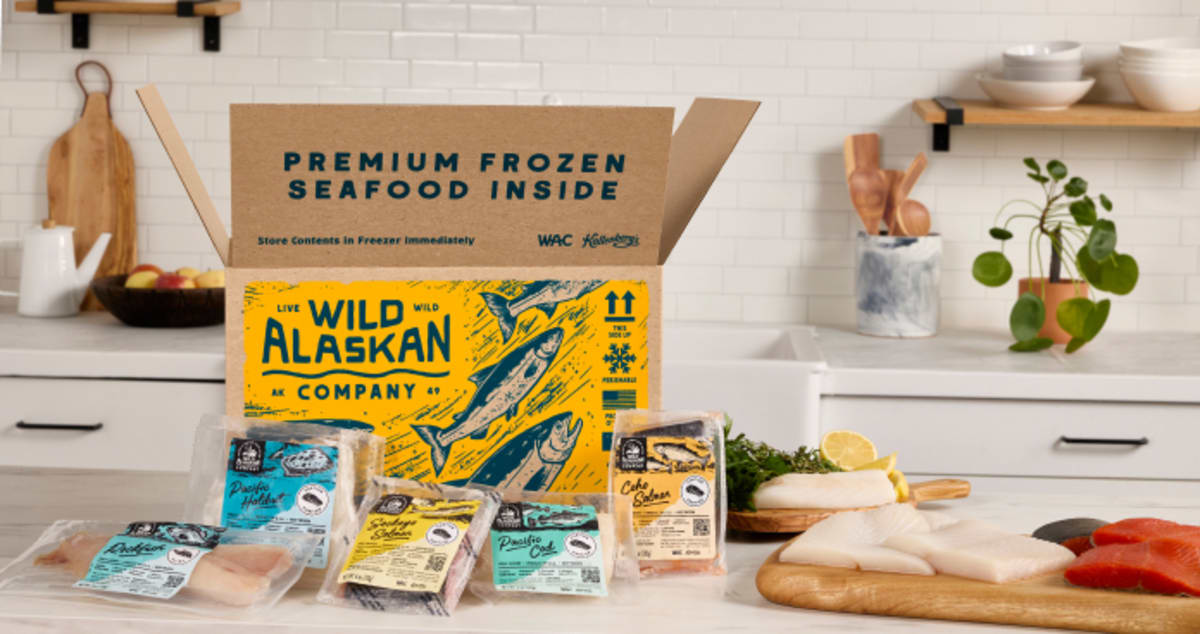
Wild Alaskan Company offers curated boxes of wild-caught seafood with optional add-ons and adjustable delivery frequency. The fish arrives frozen in insulated packaging. That format is especially useful for people who want more variety than the local freezer aisle offers but do not want to shop for fish every few days.
First, decide what “easy” means in your kitchen
For one household, easy means a fillet in the oven while vegetables roast beside it. For another, it means breaking cooked fish into tortillas so everyone can build a plate. The right seafood box is the one that supports your ordinary cooking style.
Think in formats before species. Do you need single portions for separate schedules, several pieces for a family table, or flexible cuts that can move between dinner and lunch? A visually impressive box is not useful if its contents do not match the way you eat.
The 30-minute fish framework
A framework is faster than searching for a fresh recipe every night. Keep the same four decisions and vary only the flavors.
Choose the cooking method
Roast, pan-sear or gently simmer. Pick one based on the cut and how much attention you can give it.
Add one durable vegetable
Frozen peas, cabbage, carrots, broccoli and green beans are forgiving and easy to keep around.
Use a dependable base
Rice, potatoes, bread, lentils or noodles turn a portion of fish into a complete shared meal.
Finish with contrast
Lemon, pickled onion, herbs, yogurt sauce or a crisp salad keeps the plate from feeling heavy.
Salmon + mustard + potatoes. White fish + tomatoes + beans. Fish tacos + cabbage + lime. When energy is low, the list makes the decision for you.
Why the sourcing page matters
Wild Alaskan Company says its seafood is wild-caught, never farmed, and sourced from sustainably managed fisheries. Those details are part of the product, not background decoration. Before choosing a box, read how the company describes each fishery, where the species comes from and what is currently included.
Availability can shift with seasons and supply. That is a reason to review the current box rather than assuming every delivery will look identical. Variety can be a strength, but only if your household is comfortable cooking the species offered.


Use the first box as a real-life test
For the first month, do not save every portion for a special dinner. Cook the fish on normal days, including the rushed ones. Note which cuts thawed conveniently, which flavors your household liked and how quickly the box moved through the freezer.
Then check the practical details. Did the package fit the space you cleared? Was the delivery pace right? Did individual portions reduce waste, or did you still cook more than the household wanted? Those observations are more useful than an abstract promise to “eat better.”
A note on nutrition
Seafood can be a convenient source of protein and, depending on the species, beneficial fats. Nutrition needs differ, and anyone managing allergies, pregnancy-related seafood guidance or a medical diet should use advice appropriate to their situation. The best routine is one that fits both household preferences and individual needs.
The larger lesson is simple: a subscription is not the habit. The habit is moving one portion to the refrigerator, having two sides ready, and cooking it before the evening becomes complicated. When the delivery supports that sequence, it can make home meals noticeably easier.
Choose by routine, not by novelty
Compare the current box choices, portion counts and delivery frequency, then select the option that matches the dinners already happening in your kitchen.