
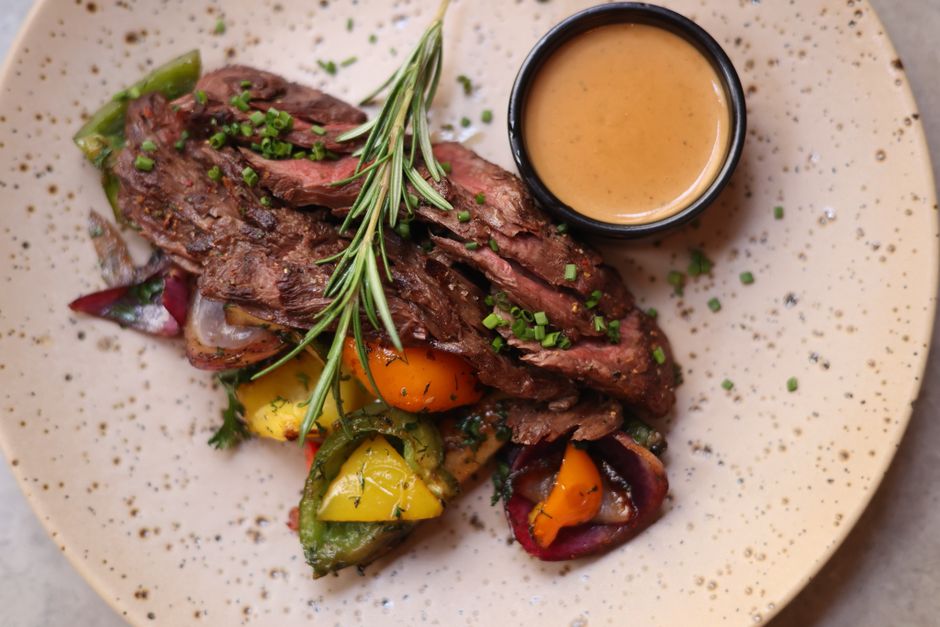
You wake up late, have a meeting in 20 minutes, and the easiest food in reach is a low-protein granola bar. The better solution is not a complicated recipe. It is a small set of fast breakfasts built around a reliable protein portion, a fiber-rich carbohydrate, and enough flavor to make the meal worth eating.
This is not legal advice — consult a licensed attorney. This page provides general nutrition information, not medical advice. People with kidney disease, food allergies, diabetes, pregnancy-related nutrition needs, or other medical concerns should ask a qualified clinician for personal guidance.
What makes a 15-minute breakfast genuinely high in protein?
Start with a measurable protein target
A useful starting point is 20 to 30 grams of protein for a full breakfast. That amount will not suit every person, and it does not create a magic health result. It does give you a clear test for a meal: if the bowl, toast, or drink contains only a few grams, it is a snack-sized breakfast rather than a protein-centered meal. Read nutrition labels instead of trusting words such as “fit,” “natural,” or “energy.” Those terms do not tell you how much protein is in the serving.
Build the meal from three parts
Use one anchor food, one supporting food, and one source of texture or flavor. Eggs, strained yogurt, cottage cheese, milk, tofu, beans, and protein-fortified drinks can serve as anchors. Oats, whole-grain toast, fruit, potatoes, and tortillas add carbohydrate and often fiber. Seeds, nut butter, salsa, berries, herbs, or chopped vegetables make the meal more satisfying without adding a long cooking step.
The first principle is simple: speed comes from reducing decisions, not from skipping nutrition. Keep two protein anchors ready, store fruit where you can see it, and use one appliance you already know. A microwave egg bowl, yogurt-and-oat cup, or cottage-cheese toast can be assembled in less time than a drive to a café.
How do you assemble a balanced breakfast before the clock runs out?
The five-minute assembly method
Put the protein anchor in the bowl or on the plate first. Add a measured portion rather than eating directly from the container, because serving sizes can drift when you are rushing. Add one carbohydrate source, then add fruit or vegetables. Finish with one flavor choice such as cinnamon, black pepper, hot sauce, lemon juice, or chopped herbs.
- Choose the anchor: use two eggs, a cup of high-protein yogurt, half a cup of cottage cheese, a glass of milk, or a prepared protein drink.
- Add a base: choose one slice of whole-grain toast, one small tortilla, half a cup of cooked oats, or a piece of fruit.
- Add produce: use berries, a banana, tomatoes, spinach, frozen peppers, or an apple.
- Add contrast: include seeds, nut butter, salsa, cinnamon, or a small amount of cheese.
- Check the clock: reserve two minutes for eating and cleanup, not only for cooking.
Three fast combinations that reach the target
For a savory option, microwave two beaten eggs with a handful of spinach for about 90 seconds, stir, then cook in 20-second bursts until set. Serve with toast and salsa. For a cold option, mix strained yogurt with oats, berries, and pumpkin seeds; let it stand for five minutes while you get dressed. For a no-cook option, blend milk, a banana, oats, and a protein powder or use a ready-to-drink shake with fruit on the side.
Keep portions realistic. A breakfast can contain 25 grams of protein without becoming a giant bowl of food. The goal is a repeatable meal that fits the morning you actually have, including the time needed to wash a cup or pack the food for later.
Which quick breakfast mistakes make the meal less useful?
Mistake one: treating a protein label as a complete meal
A drink or bar may supply protein but still leave you hungry if it has little fiber, no fruit, and limited volume. Add a banana, an apple, berries, or a slice of whole-grain toast when the product is small. The reverse mistake also happens: a large smoothie can contain more calories than expected because nut butter, oats, seeds, and sweetened milk all go into the blender together. Measure calorie-dense ingredients at first, then adjust based on your needs.
Mistake two: ignoring sodium, sugar, and tolerance
Fast does not mean every packaged option fits every person. Some ready-to-drink shakes are high in protein but contain milk or soy. Some savory foods contain enough sodium to matter when eaten repeatedly. Read the label, check the allergen statement, and notice how your body responds. If dairy causes discomfort, choose lactose-free dairy, eggs, tofu, or a fortified plant-based option instead of forcing a food that you will avoid tomorrow.
Another failure mode is buying ingredients that require a recipe every morning. A plan that needs six toppings, a blender, and a pan may fail on the busiest days. Keep one shelf-stable backup and one two-minute cold meal available. For most people, consistency beats a more impressive recipe that rarely gets made.
Which store-bought foods are worth using for a 15-minute breakfast?
My clear pick for the best emergency breakfast is a ready-to-drink protein shake paired with fruit. It gives you a known protein amount and takes less than a minute. For a better everyday meal, cottage cheese or eggs with whole-grain toast offer more texture and usually make the breakfast feel less like a replacement meal.
| Food | Protein and nutrition facts | Typical U.S. price | Best use |
|---|---|---|---|
| Good Culture Simply Cottage Cheese, 4% Milkfat | 14g protein, 100 calories, 2g sugar per 1/2 cup | About $4.99 for a 16-ounce tub | Five-minute savory bowl or toast topping |
| Dave’s Killer Bread 21 Whole Grains and Seeds | 6g protein, 4g fiber, and 22g whole grains per slice | $5.79 suggested retail price per loaf | Whole-grain base for eggs or cottage cheese |
| Premier Protein Classic Shake | 30g protein and 160 calories per shake | About $2.50–$3.50 per shake | No-cook breakfast or commute backup |
| Two large eggs | About 12g protein before added ingredients | Usually about $0.40–$0.80 per serving | Microwave scramble with vegetables and toast |
Best everyday choice: cottage cheese and whole-grain toast
Spread Good Culture cottage cheese over Dave’s Killer Bread, then add sliced tomatoes, black pepper, and pumpkin seeds. The bread contributes 6 grams of protein and 4 grams of fiber per slice, while the cottage cheese contributes 14 grams of protein per half cup. Add a boiled egg or a glass of milk when you want the meal closer to 30 grams. The official nutrition pages for Good Culture cottage cheese and Dave’s Killer Bread list the nutrition details used here.
Best zero-cooking choice: a Premier Protein shake with fruit
Premier Protein’s classic shakes provide 30 grams of protein and 160 calories per shake according to the brand’s product information. Pair one with a banana or apple rather than treating the drink as your only source of food every morning. This is the strongest choice for commuting, travel, or a morning when the kitchen is unavailable. It is not the best choice for someone who avoids milk or soy, since the product contains milk and soy ingredients. See the brand’s official protein shake information for current flavors and nutrition details.
How can you choose the right breakfast when your schedule changes?
What should you eat before a workout?
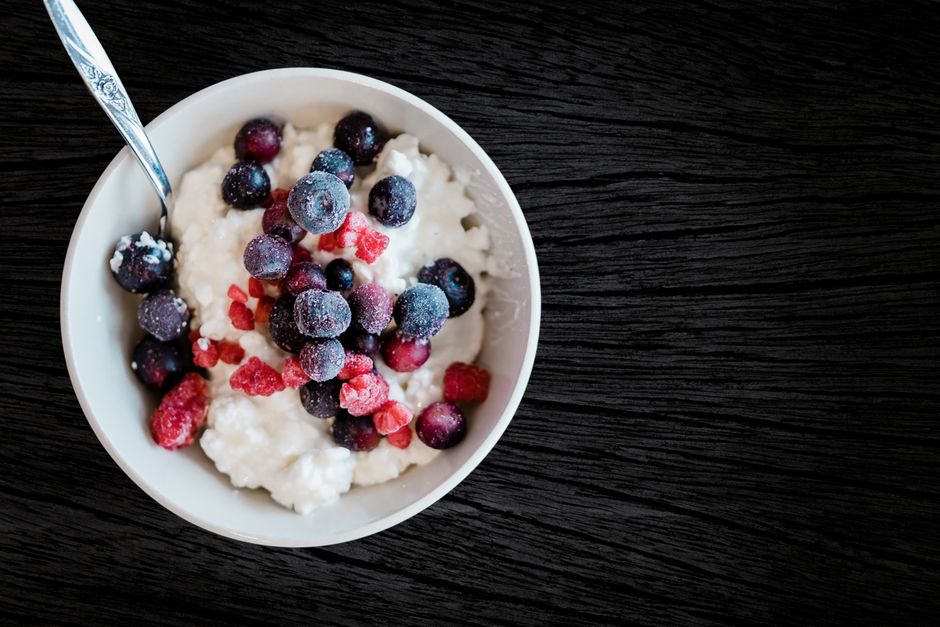
Choose a smaller meal that gives you protein and easy-to-digest carbohydrate without a large amount of fat or fiber. Yogurt with a banana, toast with an egg, or a half serving of oats can work 30 to 90 minutes before exercise. A full cottage-cheese bowl with seeds may feel too heavy right before movement, so save it for after training.
What works when you need to stay full until lunch?
Choose protein plus fiber and volume: eggs with vegetables and toast, cottage cheese with fruit and oats, or yogurt with berries and seeds. Drink water with the meal, but do not use water to replace food. If hunger returns quickly, increase the fruit, whole grains, or vegetable portion before adding another highly concentrated protein product.
When should you not buy a protein product?
Do not buy a shake, bar, or powder simply because its label sounds athletic. Skip it when the ingredient list conflicts with an allergy, the price makes the habit difficult to maintain, or you already have an inexpensive food that meets the same need. Eggs, milk, tofu, beans, yogurt, and cottage cheese can all support a high-protein breakfast without a supplement. The best choice is the one that fits your digestion, budget, schedule, and eating pattern well enough to repeat.
A 15-minute breakfast does not need to look like a meal-prep video. It needs a dependable protein anchor, one useful carbohydrate, and a plan for the mornings that go wrong. As quick-food brands improve their nutrition labels and more households rely on portable meals, the strongest breakfast options will be the ones that combine speed with food people genuinely want to eat.
Medical Disclaimer: This content is for informational purposes only and does not constitute medical advice. Always consult a qualified healthcare professional before making health-related decisions.