
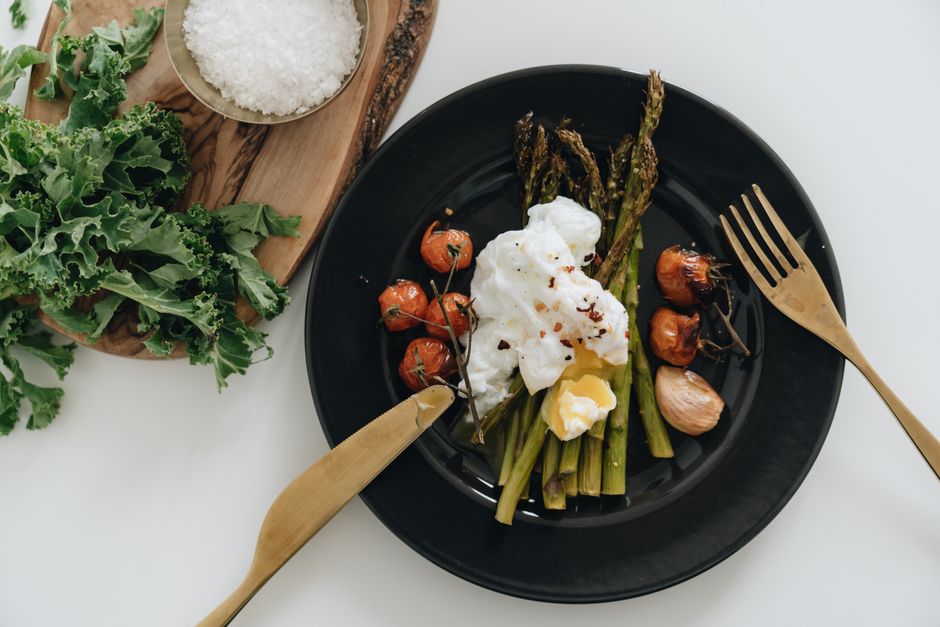
You bring home a bunch of asparagus, a bag of peas and more spring greens than the crisper drawer can hold. By Wednesday, the asparagus looks tired, the peas taste flat and the greens have turned into a wet clump. The fix is not a complicated sauce. It is using the right heat, adding each vegetable at the right time and stopping the cooking before the color fades.
These spring vegetable recipes focus on texture first. You will find a quick stovetop method, a timing chart, simple meal ideas, smart frozen substitutes and the mistakes that make spring produce taste dull. My clear winner for a busy weeknight is a hot pan of asparagus and peas finished with lemon, olive oil and a handful of spring greens.
How to choose spring vegetables that cook well
The best recipe starts at the market. Fresh spring vegetables do not need much help, but they do need to be in good shape before they reach the pan. Choose asparagus with firm stalks and tightly closed tips. The cut ends should look moist rather than split or gray. For peas, bright green pods feel full and springy when you squeeze them. Loose peas should look smooth and should not have a wrinkled skin.
Pick greens by their leaves
Spring greens vary widely. Young spinach cooks in less than a minute. Chard takes longer because the stems stay firm. Pea shoots need only a brief wilt, while sturdy kale benefits from a few minutes of heat and a splash of water. Pick leaves with a fresh color and no slimy patches. A little soil is easy to wash away; slippery leaves signal that the bunch has started to break down.
Trim for even cooking
Snap or cut the woody bottom from each asparagus stalk, then slice thick stalks on a diagonal. Keep tender tips whole. Shell fresh peas just before cooking so they stay sweet. Wash greens in cold water, spin them dry and tear out thick stems. Excess water lowers the pan temperature and makes vegetables steam before they brown.
Use the right portion
Plan on 170 to 225 grams of vegetables per person for a side dish, or 250 to 300 grams if vegetables form the main part of the meal. A crowded pan creates soft, pale vegetables. Two smaller batches taste better than one overloaded skillet.
What order should you cook asparagus, peas and greens?
Cook the firmest vegetable first and the most delicate one last. That single rule keeps a mixed spring vegetable dish bright and crisp. Use a wide skillet over medium-high heat, and add oil only after the pan feels hot.
The five-minute skillet sequence
- Heat 1 tablespoon of olive oil in a wide skillet for about 30 seconds.
- Add sliced asparagus stalks and cook for 2 minutes, stirring once or twice.
- Add the asparagus tips, 2 tablespoons of water and a small pinch of salt.
- Cover for 60 to 90 seconds. The steam softens the center without washing out the flavor.
- Add fresh or thawed peas and cook for 1 to 2 minutes, just until hot.
- Add spring greens last. Toss for 30 to 60 seconds, until the leaves wilt but still show some structure.
- Turn off the heat before adding lemon juice, grated garlic, black pepper or a spoonful of pesto.
- Taste before adding more salt. Lemon makes a dish taste brighter, but it does not replace enough seasoning.
Why this order works
Asparagus stalks contain more water and fiber than pea shoots, so they need direct heat first. Peas only need warming if they are already tender. Greens collapse quickly because their leaves expose more surface area to the heat. Adding them early gives you a gray, watery result.
For a softer dish, add 60 milliliters of stock with the peas and cover for two minutes. For browned edges, skip the water and leave the vegetables untouched for 45 seconds at a time. The best everyday version uses the covered method for the stalks and a final uncovered minute to remove excess moisture.
What are the easiest spring vegetable recipes for dinner?
A good spring dinner needs a sturdy base. Add these vegetables to grains, pasta, eggs or beans so the meal feels complete instead of like a pile of sides.
Can asparagus, peas and greens share one pan?
Yes. Sauté asparagus in olive oil, add peas after three minutes and fold in greens at the very end. Stir through cooked white beans and finish with lemon juice. The beans add protein and make the dish filling without a heavy sauce. For four servings, use 450 grams of asparagus, 300 grams of peas, 150 grams of greens and two 400-gram cans of drained beans.
How do you make a fast spring pasta?
Boil 340 grams of pasta. Add sliced asparagus to the pasta water during the final three minutes, then add peas for the final minute. Reserve 180 milliliters of cooking water before draining. Toss the pasta and vegetables with olive oil, grated lemon zest, black pepper and enough pasta water to make a glossy coating. Add spring greens while the pasta is still hot. They wilt without needing a separate pan.
What is the best egg-based option?
Make a vegetable frittata. Cook asparagus and chard stems in an oven-safe skillet, add peas and greens, then pour over six beaten eggs. Cook on the stove for three minutes and finish under a broiler for two to four minutes. The center should look barely set when you remove it; residual heat will finish the cooking.
These recipes work because they keep the vegetables visible. Heavy cream, long simmering and too much cheese can hide the fresh flavor you bought the produce for.
Are frozen spring vegetables a good substitute for fresh?
Frozen peas are the best shortcut, while frozen leafy greens need more careful handling. Producers usually freeze peas soon after harvest, so a frozen bag can taste sweeter than old fresh peas that have sat in a refrigerator for several days.
Best packaged options for busy nights
Birds Eye Steamfresh Sweet Peas, usually sold in a 10.8-ounce bag for about $2.49, work well in skillet dishes because the peas heat quickly and stay separate. Cascadian Farm Organic Frozen Peas, often around $3.99 for 10 ounces, cost more but suit shoppers who want an organic option. Green Giant Chopped Spinach, commonly about $2.29 for a 10-ounce package, is useful in pasta, eggs and soups, but squeeze out excess water before adding it to a pan.
Prices vary by store and region, so treat those figures as typical shelf estimates rather than fixed prices. The important detail is the format: peas should be loose and quick to heat, while frozen greens should be thawed and drained.
When fresh is still the better choice
Buy fresh asparagus when you want browned edges or a crisp bite. Frozen asparagus often softens during thawing, so it suits soups and blended sauces better than a roast vegetable platter. Fresh pea shoots also deserve fresh treatment because freezing destroys their delicate shape. Canned peas sit at the bottom of my list: they are convenient, but their soft texture makes them a poor match for a bright spring salad or quick sauté.
The practical verdict is simple: keep frozen peas and spinach for backup meals, but use fresh asparagus and pea shoots when texture is the main point of the dish.
What mistakes make spring vegetables soggy?
The biggest mistake is treating every vegetable as if it needs the same cooking time. Start with a hot pan, leave room between pieces and remove the vegetables while they still look slightly firmer than you want to eat them.
Fix these common problems
- Overcrowding: Too much produce drops the pan temperature. Cook in two batches if the vegetables cover the skillet in a thick layer.
- Wet greens: Water on the leaves creates steam. Spin the greens dry before they reach the heat.
- Early acid: Lemon juice or vinegar added at the start can slow browning. Add acid after cooking.
- One-size cuts: Thick asparagus stalks and tiny tips will not finish together. Slice the stalks and keep the tips whole.
- Long holding: Vegetables continue cooking in a covered serving bowl. Leave the lid off unless you want softer results.
- Weak seasoning: A pinch of salt during cooking and a final taste at the end give better flavor than a large amount added only once.
My final plate
For the most reliable weeknight meal, sauté asparagus stalks and tips, warm peas in the same pan, then fold in spring greens for the final minute. Add white beans or pasta for substance, lemon for lift and toasted nuts for crunch. That combination gives you three textures, uses one pan and takes about ten minutes from cutting board to table.
For health and wellness readers who want one dependable starting point, this is the spring vegetable recipe to make first: asparagus and peas with wilted greens, white beans, lemon and olive oil. It keeps the vegetables bright, delivers a balanced meal and avoids the soft, overcooked texture that makes spring produce disappointing.
Always consult a qualified healthcare professional before making health-related decisions.