
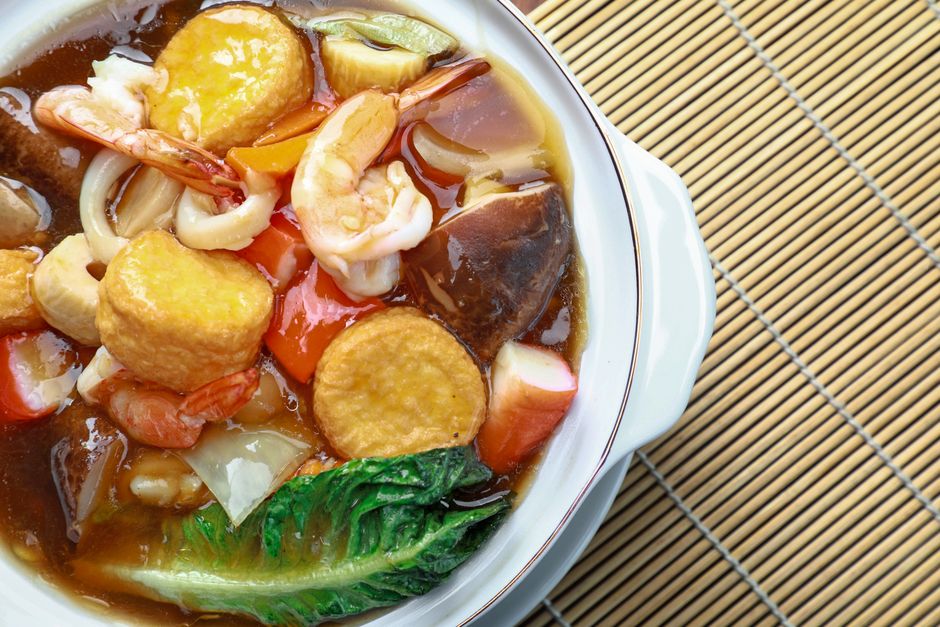
One cup of cooked lentils provides about 18 grams of protein and 15 grams of fiber. That makes lentil soup more than a warm starter. Built with vegetables, beans, chicken, or tofu, it can become a complete meal in one bowl.
Why vegetables and protein make better winter soup
The bowl needs three working parts
The best winter soup combines broth, vegetables, and a protein source. Broth brings moisture and flavor. Vegetables add texture, potassium, vitamin C, and natural sweetness. Protein keeps the meal satisfying after the first few bites. Add a starch such as barley, potatoes, brown rice, or whole-grain pasta when you need more staying power.
A useful starting ratio is two cups of vegetables, one cup of protein, and three cups of broth for two generous servings. This ratio leaves enough liquid for simmering without creating a thin, disappointing soup. Frozen spinach, canned tomatoes, carrots, onions, cabbage, and winter squash all work well because they hold flavor after cooking.
Choose protein that matches the cooking time
Red lentils cook in 15 to 20 minutes and thicken the broth. Green lentils need about 25 to 35 minutes but keep their shape. Canned beans only need to heat through, so add them near the end. Raw chicken takes longer and needs to reach 165°F in the thickest part. Firm tofu works best when added during the final 10 minutes, after the broth has developed flavor.
My verdict: lentils are the best starting protein for a filling vegetable soup because they are inexpensive, shelf-stable, naturally high in fiber, and easy to cook in the same pot.
How to build a vegetable-protein soup in 30 minutes
Use this order. It prevents crunchy vegetables, bland broth, and overcooked protein.
- Start with the base. Heat one tablespoon of olive oil in a large pot. Cook one diced onion, two chopped carrots, and two celery stalks for five minutes. Add two minced garlic cloves for the final 30 seconds.
- Bloom the seasoning. Stir in one teaspoon of smoked paprika, half a teaspoon of dried thyme, and a pinch of black pepper. Cook for 20 seconds. Spices taste fuller when they touch hot oil.
- Add liquid and vegetables. Pour in four cups of low-sodium vegetable or chicken broth. Add one 14.5-ounce can of diced tomatoes and two cups of chopped kale, cabbage, or frozen vegetables.
- Add the protein at the right time. Add one cup of rinsed canned beans immediately. Add red lentils with the broth. Add cooked chicken or tofu during the final five to 10 minutes.
- Finish with acid. Taste the soup before adding salt. One tablespoon of lemon juice or red wine vinegar can sharpen a dull pot more effectively than another spoonful of salt.
The texture check
Stop cooking when the vegetables are tender but still hold their shape. If the soup looks thick, add broth in quarter-cup amounts. If it tastes watery, simmer uncovered for five to 10 minutes. A small spoonful of plain Greek yogurt can add creaminess to an individual bowl without turning the whole pot heavy.
The best method is one-pot cooking: it saves time, keeps cleanup low, and lets the vegetables season the broth as they soften.
The best ready-made soup shortcuts
My opinion: use packaged soup as a base, not as the finished meal. A carton or can can save 15 minutes, but most ready-made soups need extra vegetables and protein to become a balanced dinner.
Best lentil shortcut: Amy’s Organic Lentil Vegetable Soup
The 14.5-ounce can of Amy’s Organic Lentil Vegetable Soup usually costs about $3.79. It already has lentils, vegetables, and seasoning, so it works well over a handful of baby spinach or frozen peas. Add half a cup of rinsed white beans if you want a larger, more filling serving. This is my best pick for a single-person lunch because the portion is easy to store and the flavor does not need much repair.
Best larger serving: Pacific Foods Organic Lentil & Roasted Vegetable Soup
The 17-ounce carton of Pacific Foods Organic Lentil & Roasted Vegetable Soup costs about $4.49 and has a softer, more blended texture. Add chopped kale, leftover roasted vegetables, or a spoonful of cooked quinoa. Choose it when you want a smoother soup with a roasted flavor and do not want to start with a sautéed onion base.
Best vegetable-first shortcut: Campbell’s Well Yes! Butternut Squash & Sweet Potato Soup
The 16.3-ounce can usually sells for about $2.99. It is rich in vegetables but low in protein, so add white beans, shredded chicken, or plain Greek yogurt. This is the right choice for a sweet, smooth soup. It is not the right choice as a complete meal straight from the can.
Which cooker earns space in the kitchen?
Soup does not require a special appliance. A heavy saucepan and a wooden spoon can produce an excellent pot. Still, two products can make a clear difference for specific cooking styles.
| Tool | Specification | Approximate price | Best choice for |
|---|---|---|---|
| Instant Pot Duo Plus | 6-quart, 9-in-1 cooker | $129.95 | Large batches of beans, lentils, and chicken soup |
| Vitamix 5200 | 64-ounce container, variable speed | $449.95 | Smooth squash, tomato, and blended bean soups |
| Heavy 5-quart pot | Stovetop, no electronics | About $40–$100 | Most everyday chunky soups |
Best for batch cooking
The Instant Pot Duo Plus 6-Quart is my pick for people who make soup twice a week. It handles dried beans and lentils with little supervision, and the six-quart size leaves enough food for several lunches. It does not fix weak seasoning, though. Sauté the onion and spices first, and check the salt after pressure cooking.
Best for silky texture
The Vitamix 5200 is the better tool for smooth soups made from squash, carrots, tomatoes, or white beans. Its 64-ounce container handles a family-sized batch, but the $449.95 price makes it hard to justify for occasional soup. Buy it for frequent blending, not for the promise of better flavor. A stick blender can produce a similar result for far less money.
Verdict: buy the Instant Pot for batch cooking. Skip both appliances if you mostly make 30-minute soups on the stovetop.
Why winter soup goes wrong
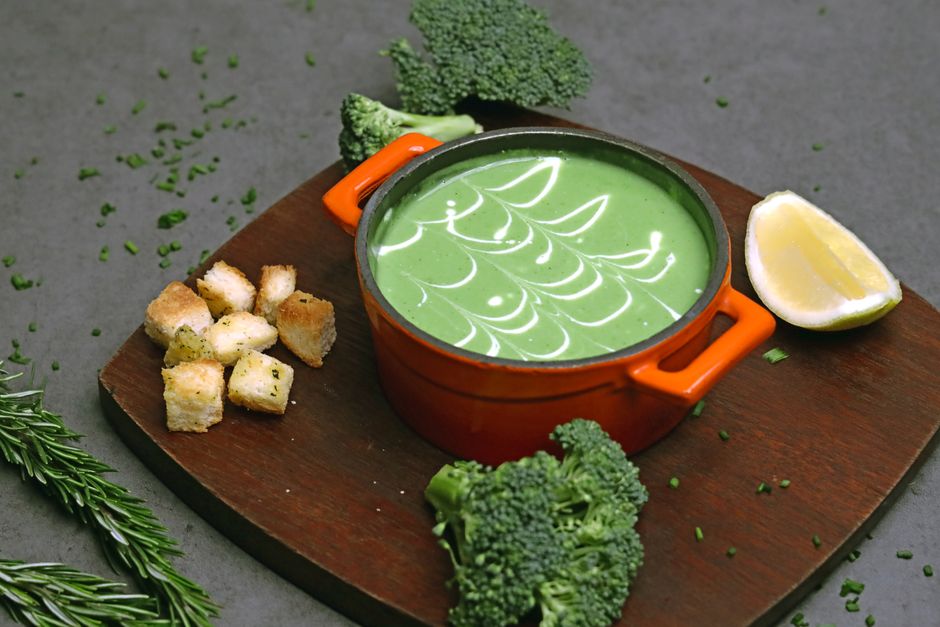
Why does my soup taste flat?
Usually, it lacks salt, acid, or browned aromatics. Cook onion, carrot, and celery before adding broth. Taste after the protein cooks. Then add salt in small amounts and finish with lemon juice or vinegar. Do not keep adding dried herbs at the end; they need time in hot liquid to release flavor.
Why are the vegetables mushy?
You added everything at once. Potatoes and carrots can handle a long simmer. spinach, peas, and cooked beans cannot. Add quick-cooking ingredients during the final five to 10 minutes. Keep pasta separate if you plan to eat leftovers, since it will absorb broth overnight.
When should you not buy packaged soup?
Skip the shortcut when you need to control sodium, have a large family to feed, or want a soup with a specific protein target. One can may be convenient, but it often costs more per serving than dried lentils, canned beans, and frozen vegetables. Packaged soup also varies by brand, so read the label instead of trusting words such as healthy or natural on the front.
The biggest failure is treating soup as a liquid side dish. Add enough vegetables and protein for a full bowl, then season at the end. That simple shift improves taste, cost, and fullness.
How to prep a week of warming soups
My strongest recommendation is to prep components, not seven identical bowls. Cook one grain, wash several vegetables, and keep two proteins ready. You can turn those parts into different soups without eating the same flavor all week.
A practical four-day plan
On Sunday, cook one cup of green lentils and roast a sheet pan of carrots, onions, and winter squash. Store them separately for up to four days in the refrigerator. Keep canned chickpeas, frozen spinach, broth, and canned tomatoes in the pantry or freezer. Each night, combine two cups of broth with a different seasoning profile: cumin and lemon, thyme and tomato, ginger and miso, or paprika and garlic.
Cool soup in shallow containers and refrigerate it within two hours. Reheat one serving until steaming, stirring halfway through. Freeze soups without pasta, cream, or potatoes when possible; those ingredients can change texture after thawing.
Final comparison
| Goal | Best choice | Reason |
|---|---|---|
| Fastest complete soup | Canned chickpeas plus frozen vegetables | Ready in about 20 minutes |
| Lowest-cost protein | Dry lentils | High fiber and no soaking required |
| Best ready-made base | Amy’s Organic Lentil Vegetable Soup | Already includes lentils and vegetables |
| Best batch tool | Instant Pot Duo Plus 6-Quart | Handles beans, lentils, and large portions |
| Best smooth soup tool | Vitamix 5200 | Creates a fine texture from cooked vegetables |
For most winter meals, start with lentils, beans, or chicken, add at least two vegetables, and finish with acid. That formula gives you warmth, protein, fiber, and enough flavor to make soup feel like dinner.
Always consult a qualified healthcare professional before making health-related decisions.