
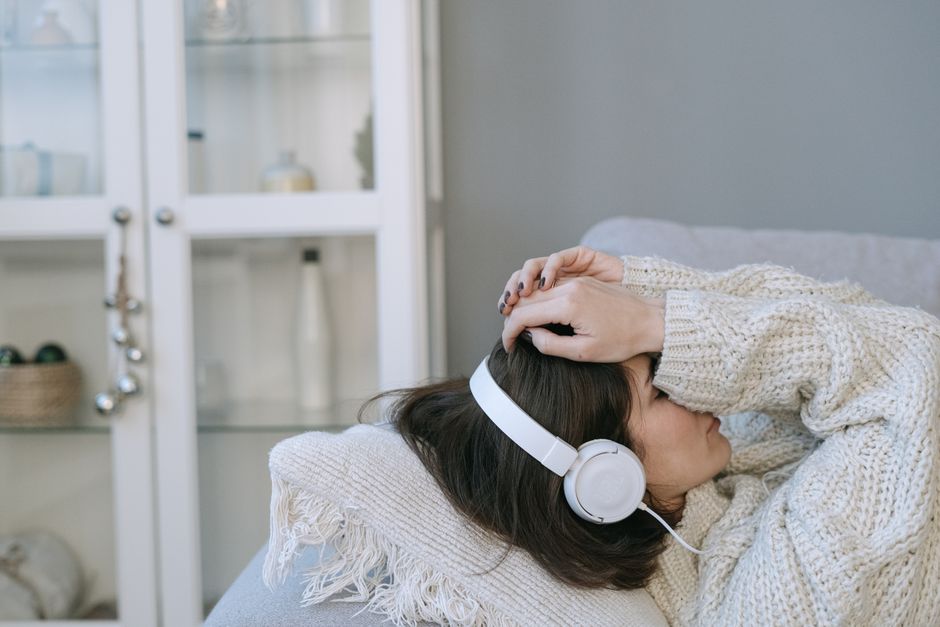
The biggest lie in stress management is that you need to fix your circumstances before you can feel better. Clear the inbox. Finish the project. Wait for the easier season. That logic makes relief permanently conditional — a destination that keeps moving.
Stress is a physiological state. Elevated cortisol, a nervous system stuck in threat mode, a brain running scans whether you asked it to or not. Changing your calendar doesn’t fix a physiological state. You interrupt it directly — with specific inputs that signal your nervous system to switch off high alert. Usually in under ten minutes.
Here’s what those inputs actually look like, which tools support them, and when the whole approach needs to change.
What Chronic Stress Does to Your Body
Most stress content skips the mechanism. That’s a mistake, because understanding why a technique works makes you far more likely to use it when you’re already overwhelmed and looking for reasons to skip it.
The HPA axis and why it stays activated
Stress triggers the hypothalamic-pituitary-adrenal (HPA) axis, which floods your system with cortisol and adrenaline. Short bursts of this are precisely what the system was designed for. The problem is sustained activation — when the stressor doesn’t resolve (financial pressure, a toxic job, a difficult relationship), the system stays on indefinitely with no natural reset.
Chronically elevated cortisol disrupts deep and REM sleep. It impairs working memory, which explains why stressed people make worse decisions and then feel stressed about those decisions. It raises blood pressure, suppresses immune function, and drives the kind of low-grade inflammation linked to cardiovascular disease. These aren’t hypothetical long-term risks — they appear within weeks of sustained high-stress periods.
Heart rate variability (HRV) — the millisecond variation between heartbeats — drops under chronic stress and is one of the clearest measurable signs of nervous system strain. Modern wearables now track this nightly, giving you objective data on whether your recovery practices are working rather than relying on a vague day-to-day sense of feeling slightly better.
The sleep-stress loop that runs itself
Stressed people sleep badly. Sleep deprivation raises cortisol the following day. Higher cortisol worsens sleep the next night. This cycle is self-reinforcing and can persist for months without intervention. Most stress content lists sleep as one of ten equal tips. It’s actually the variable that either breaks the cycle or keeps it running — everything else is secondary to addressing it first.
Five Techniques That Interrupt the Stress Response Directly
These aren’t general wellness suggestions. Each one activates the parasympathetic nervous system — the rest-and-recovery branch — to override the active stress state. Pick two. Practice them before you’re in crisis, so they’re available when you actually need them.
- Box breathing (4-4-4-4): Inhale 4 counts, hold 4, exhale 4, hold 4. Repeat 4-6 cycles. This protocol is used in Navy SEAL training for a reason. The extended exhale activates the vagus nerve and measurably lowers heart rate within 60-90 seconds. The Headspace app ($12.99/month, free 7-day trial) has a guided version if you’re starting from scratch.
- Cold water on the face and wrists: Triggers the mammalian dive reflex — an automatic parasympathetic response that slows heart rate within seconds. Hold your face in cold water for 15-30 seconds or run cold water over your wrists. It sounds too simple. The physiology doesn’t care how simple it sounds.
- Progressive muscle relaxation: Tense each muscle group for 5 seconds, release for 20, move from feet to face. One full cycle takes 8-10 minutes. The Calm app ($69.99/year) includes a guided PMR session worth using until you’ve memorized the sequence well enough to run it without prompting.
- A 5-minute outdoor walk: Outside, not on a treadmill. Natural light exposure combined with mild movement reduces rumination measurably. Even brief outdoor walks outperform indoor ones for acute mood improvement in controlled settings. This is not a metaphor for “get some fresh air” — the light signal matters biochemically.
- Timed brain dump: Set 5 minutes. Write every stressful thought, obligation, and worry you’re currently carrying — no organizing, no solving, no editing. The goal is moving active threats from working memory (where they consume processing resources continuously) to paper. Close the notebook when the timer ends. That’s the complete technique.
Stress-Relief Tools: An Honest Comparison
The products marketed for stress relief span genuinely useful to actively misleading. Here’s a direct breakdown, without the marketing layer:
| Tool / Product | Cost | Evidence | Best Use Case | Skip If |
|---|---|---|---|---|
| Headspace app | $12.99/month or $69.99/year | Strong — multiple peer-reviewed studies on anxiety reduction | Building a daily meditation habit from zero | You want sessions over 20 min; try Waking Up ($99.99/yr) which goes deeper |
| Fitbit Sense 2 / Apple Watch Series 9 | $149 / $399 | Strong for tracking; value depends on user follow-through | Data-driven people who need proof their interventions are working | Health tracking makes your anxiety worse rather than better |
| Magnesium glycinate (Thorne or Pure Encapsulations) | $20–35 per 90 capsules | Moderate — supports sleep quality and reduces muscle tension | Disrupted sleep and physical tension from chronic stress | You already eat a consistently varied whole-food diet |
| Ashwagandha KSM-66 extract (Jarrow Formulas, NOW Foods) | $25–40 per 60–90 day supply | Moderate — cortisol reduction shown in 60-day RCTs at 300–600mg | Chronic, sustained stress lasting more than 6–8 weeks | You’re pregnant, on thyroid medication, or need immediate relief |
| Bearaby weighted blanket (15–25 lbs) | $180–280 | Moderate — reduces acute anxiety and speeds sleep onset | Evening wind-down and sleep anxiety specifically | You run hot at night; heat cancels the calming effect |
| CBD products (retail OTC) | $30–80/month | Weak at standard retail doses; inconsistent dosing and oversight | No clear use case at over-the-counter doses | Skip unless a provider specifies a therapeutic dose with guidance |
Start with Headspace — use the 7-day free trial before committing. Add magnesium glycinate at 200–400mg before bed if sleep is the main problem. Add ashwagandha only if stress has been continuous for 6–8 weeks or more. Don’t start all three simultaneously — you won’t know what’s actually helping.
Four Mistakes That Consistently Make Stress Worse
These behaviors feel like recovery. They aren’t.
- Using scrolling as rest: Passive social media after a stressful day feels like downtime because it requires no effort. But constant novelty keeps the HPA axis activated. It’s stimulation disguised as rest — the sensation of unwinding without the actual nervous system reset. What genuinely disengages the stress circuit: physical movement, a real conversation, or actual silence.
- Dropping exercise when you’re most overwhelmed: Stressed people cut exercise first because time is short. Exercise is the most effective acute cortisol reducer available without a prescription. A 20-minute run drops cortisol faster than any supplement. The people who need it most are the ones eliminating it first.
- Stacking too many interventions at once: Starting breathwork, journaling, cold showers, a meditation app, and a new supplement simultaneously means you have no idea what’s helping — or whether anything is. Pick one technique. Practice it daily for two weeks. Evaluate. Then add something else. This applies equally to behavioral habits and supplement protocols.
- Making relief permanently conditional: “After this deadline.” “Once things calm down.” “Next month.” Stress relief that’s always deferred is stress relief that never happens. The nervous system doesn’t save up recovery for future use. It needs input now, in small doses, consistently.
The Honest Case for Supplements
Supplements do not fix stress. They can support biological systems that chronic stress depletes. Your body excretes magnesium faster under sustained pressure, and that deficiency worsens sleep and increases muscle tension — so 200–400mg of magnesium glycinate (specifically glycinate, not oxide, which absorbs poorly and causes GI upset) addresses a real gap. Ashwagandha’s KSM-66 extract has legitimate cortisol-reduction data at 300–600mg daily over 60 days in multiple randomized trials.
Both work on the margins. Neither one substitutes for sleep, exercise, or any meaningful reduction in actual stressor load. Any supplement marketed as a primary stress cure is selling a story, not a mechanism.
When to Stop Managing This Yourself

If stress has been continuous for more than three months and is affecting your work, relationships, or sleep despite consistent self-help effort — that’s clinical territory. Cognitive Behavioral Therapy (CBT) has more evidence behind it for chronic anxiety and stress than any product in the table above. The Woebot app (free) delivers CBT exercises and is worth using if in-person therapy isn’t immediately accessible. It’s not a therapist replacement. It’s a real bridge rather than an empty one.
You came here because stress was already costing you something — sleep, focus, patience, or ease in your daily life. The person who looks for solutions instead of waiting for circumstances to cooperate is already doing the harder and more useful thing. Start with one technique from the numbered list. Give it two weeks before judging it. That’s not a wellness platitude — it’s the actual mechanism: small, consistent inputs that gradually move the nervous system off the high-alert state it got stuck in. Not a dramatic overhaul. Not a better day that keeps not arriving.
Medical Disclaimer: This content is for informational purposes only and does not constitute medical advice. Always consult a qualified healthcare professional before making health-related decisions.