
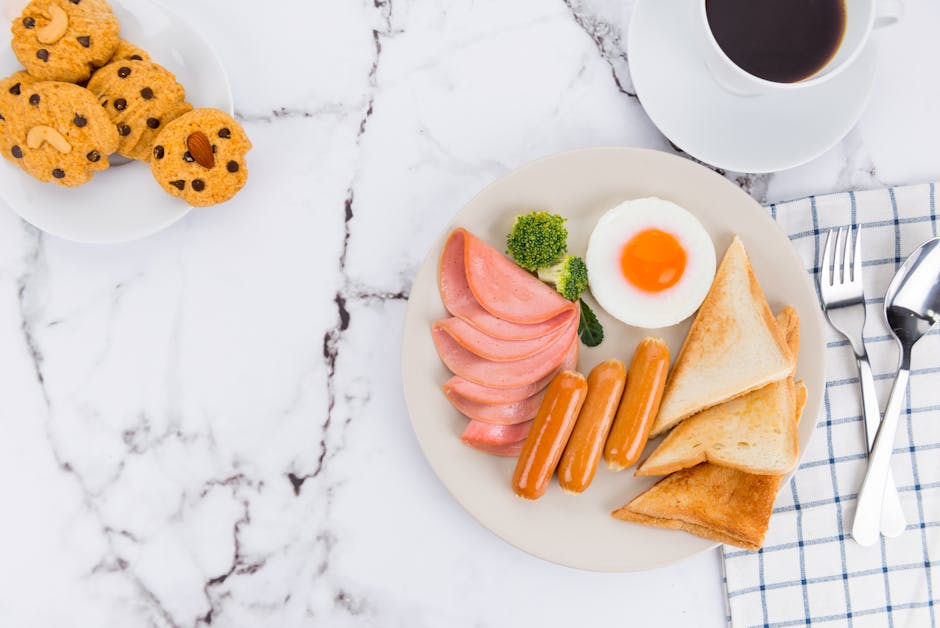
A University of Missouri study found that eating a high-protein breakfast reduces total daily calorie intake by up to 441 calories — automatically, without counting anything. The mechanism is concrete: protein and soluble fiber trigger satiety hormones (GLP-1, PYY, CCK) that suppress hunger for hours. Most people’s breakfasts don’t do this. They eat something marketed as healthy and wonder why they’re starving by 10 AM.
Why Your “Healthy” Breakfast Is Probably Killing Your Progress
The granola aisle at any grocery store is one of the most misleading places in nutrition. Words like “whole grain,” “natural,” and “heart-healthy” appear on products delivering 45g of carbs and 5g of protein per serving. That ratio — high carbs, minimal protein — is the formula for a blood sugar spike, an insulin response, a crash 90 minutes later, and intense hunger before lunch. The hunger you feel at 10:30 AM after eating a granola bar isn’t weakness. It’s physiology. The breakfast set you up for it.
The Protein Threshold That Actually Matters
The same University of Missouri research tested three protocols: skipping breakfast, eating a normal-protein breakfast (13g), and eating a high-protein breakfast (35g). The 35g group showed significantly lower appetite hormone levels and ate fewer calories at lunch and dinner. That 35g target is a real number worth aiming for.
A bowl of Quaker Instant Oatmeal gets you 5g. Two eggs, Greek yogurt, and some cottage cheese gets you to 35g easily. The typical American breakfast — cereal, toast, orange juice — lands somewhere between 8g and 15g of protein. That’s not enough to trigger meaningful satiety signaling, which means the next few hours of your day are spent managing hunger instead of ignoring it.
Why Fiber Matters Just as Much
Soluble fiber — found in oats, chia seeds, flaxseeds, and most berries — slows gastric emptying. Food physically takes longer to move through your stomach, which extends the feeling of fullness beyond what protein alone provides. Combining 25–30g of protein with 6–8g of fiber at breakfast is the macro pairing most registered dietitians point to for sustained satiety.
Chia seeds are the simplest lever here. One tablespoon adds 5g of fiber and 2g of protein for about 60 calories. Stirring them into Greek yogurt or oatmeal costs zero prep time.
The Calorie Density Trap
A Starbucks Banana Nut Bread is 490 calories and 7g of protein. A two-egg omelet with spinach and feta, plus a 5.3oz Chobani Plain Non-Fat yogurt on the side, comes in around 380 calories and 35g of protein. The omelet meal is cheaper, more filling, and lower in calories. But the banana bread requires no decisions, which is why it wins at 8 AM for most people.
Calorie density and satiety are often inversely related in processed breakfast foods. The more convenient the packaging, the more likely it’s designed to taste good rather than keep you full.
Breakfast by the Numbers: A Side-by-Side Comparison
Before changing anything, see what your current breakfast is actually delivering. Satiety scores (1–5) reflect research on subjective hunger ratings 3–4 hours post-meal.
| Breakfast Option | Calories | Protein | Fiber | Satiety (1–5) |
|---|---|---|---|---|
| Fage Total 0% (7oz) + 1/2 cup berries | 160 | 20g | 3g | 4 |
| Two scrambled eggs + one egg white | 185 | 19g | 0g | 3 |
| Kodiak Cakes Power Waffles (2 waffles) | 260 | 14g | 3g | 3 |
| Quaker Instant Oatmeal (1 packet) | 130 | 5g | 3g | 2 |
| KIND Dark Chocolate Nuts & Sea Salt bar | 200 | 6g | 3g | 2 |
| Banana + 2 tbsp peanut butter | 280 | 8g | 4g | 2 |
| Good Culture Cottage Cheese (1 cup) + fruit | 220 | 25g | 1g | 4 |
| Overnight oats (Bob’s Red Mill + protein powder) | 370 | 32g | 8g | 5 |
The KIND bar has the worst protein-to-calorie ratio on this list. You’ll be hungry within two hours. The overnight oats with protein powder score a 5 — most people report not feeling genuinely hungry until early afternoon. That 3-hour difference in satiety is what separates breakfasts that support weight loss from breakfasts that only sound healthy.
Six High-Protein Breakfast Ideas with Real Macros
Each option below has a specific macro profile and a realistic prep time. None require unusual ingredients or advanced cooking skills.
- Greek Yogurt Power Bowl — Fage Total 0% (7oz) + 1/2 cup frozen berries thawed overnight + 1 tbsp chia seeds + 1 tbsp almond butter. About 310 calories, 28g protein, 9g fiber. Takes three minutes. This is my default breakfast four days a week because it requires no decision-making and keeps me full until noon.
- Egg and Feta Scramble — Two whole eggs + one egg white + a handful of spinach + 1oz crumbled feta + cherry tomatoes. Add a 5.3oz Chobani Plain Non-Fat on the side to push total protein to 35g. Roughly 380 calories. Eight minutes of actual cooking.
- Cottage Cheese Bowl — One cup of Good Culture or Daisy Brand cottage cheese (25g protein, ~200 calories) with pineapple chunks or sliced peaches. Ninety seconds of prep. Still outperforms most marketed weight-loss breakfasts on protein and satiety. Cottage cheese is dramatically underused — the texture aversion most people have goes away fast once you pair it with fruit.
- Kodiak Cakes Protein Waffles — Kodiak Cakes Power Cakes Mix (buttermilk version) makes waffles with 14g protein per two waffles before you add anything. Top with a 5.3oz Greek yogurt instead of syrup. Total: ~370 calories, 28g protein. Ten minutes. This is the breakfast most likely to make people feel like they’re not on a diet.
- Smoked Salmon Toast — Two eggs scrambled + 2oz smoked salmon on one slice of Dave’s Killer Bread 21 Whole Grains variety (5g protein per slice, 120 calories). Around 380 calories, 35g protein, 5g fiber. The omega-3 fatty acids from the salmon reduce inflammation and support metabolic function. Ten minutes, tastes like a $22 brunch you made at home for $4.
- Overnight Oats with Protein Powder — 1/2 cup Bob’s Red Mill Old Fashioned Oats + 3/4 cup unsweetened almond milk + 1 scoop vanilla Optimum Nutrition Gold Standard Whey (24g protein, ~120 calories, mixes cleanly with no clumps) + 1 tbsp chia seeds. Mix the night before. Morning effort: zero. Macros: ~370 calories, 32g protein, 8g fiber. The protein powder is non-negotiable — plain oats without it top out at 12g protein, which isn’t enough.
The Smoothie Problem
Smoothies feel like discipline but often function like dessert in liquid form. Liquid calories don’t register the same satiety signals as solid food — you can drink 450 calories in four minutes and feel like you barely ate, because your stomach wasn’t mechanically stretched and your chewing-related satiety cues never fired. If you rely on smoothies, add at least 25g of protein via powder, use frozen fruit rather than juice as your base, and eat something solid alongside it. A smoothie alone is rarely a good weight-loss breakfast.
Fast Breakfasts for People Who Hate Cooking in the Morning
The fastest weight-loss breakfast you can make is a container of Fage Total 0% Greek yogurt straight from the fridge. No prep. No dishes. 17g protein, 90 calories. Add a banana and you’re at 20g protein, 180 calories, and out the door in under two minutes. Most people don’t eat this way because it feels too simple — but the metabolic effect doesn’t care how elaborate your breakfast looks.
Prep-Free Options (Under 2 Minutes)
- Fage Total 0% (7oz container) + a Justin’s Classic Almond Butter single-serve packet squeezed on top. 280 calories, 23g protein. Zero dishes.
- Two hard-boiled eggs batch-cooked on Sunday + a piece of fruit. 200 calories, 14g protein. Still better on protein than most grab-and-go packaged options. Batch six at once; they keep for five days refrigerated.
- Good Culture Cottage Cheese single-serve cup (150 calories, 19g protein) + whatever fruit you have nearby. Ninety seconds total.
Batch Prep Options (10 Minutes on Sunday, Zero Effort Weekdays)
- Egg muffins — Whisk 8 eggs with diced bell peppers, spinach, and shredded cheese. Pour into a greased muffin tin. Bake at 350°F for 20 minutes. Makes 12 muffins, each at ~80 calories and 7g protein. Eat three per morning for 210 calories and 21g protein. Refrigerate for up to five days.
- Overnight oats jars — Make four mason jars on Sunday with Bob’s Red Mill oats, almond milk, Optimum Nutrition Whey, and chia seeds. Grab one each morning Monday through Thursday. The total Sunday investment is 15 minutes.
What to Do When You’re Not Hungry in the Morning
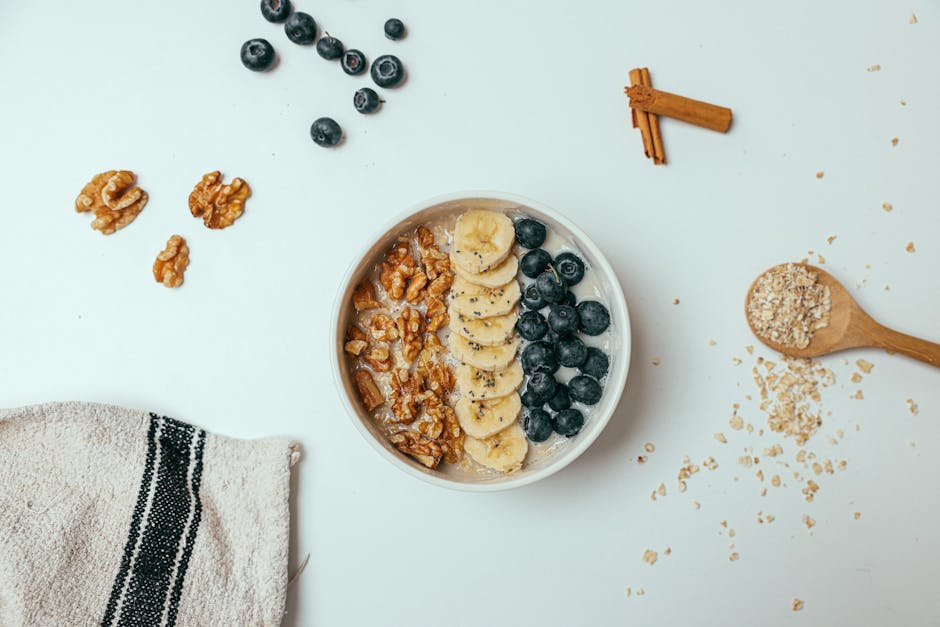
Not everyone wakes up hungry. Morning appetite varies significantly based on sleep quality, activity level, and individual cortisol patterns. Forcing yourself to eat a large breakfast when you have no appetite typically backfires — you eat mechanically, don’t register the meal, and it doesn’t align with your body’s actual hunger cues.
Is skipping breakfast actually fine?
If you consistently have no morning appetite, a 16:8 intermittent fasting schedule — eating between noon and 8 PM, for example — may fit you better than forcing breakfast. The research on IF for weight loss is solid. It works primarily by creating a caloric deficit through a reduced eating window, not through any metabolic mechanism that’s unique to fasting. If skipping breakfast helps you eat less overall without feeling deprived, that’s a legitimate approach.
What if you want something small instead of a full meal?
A single hard-boiled egg, a small container of Greek yogurt, or a handful of almonds is meaningfully better than nothing when you’re not ready for a full breakfast. Getting 10–15g of protein into your system early blunts mid-morning cravings even without a full meal. The goal isn’t a mandatory large breakfast — it’s managing hunger hormones so you don’t overcorrect at lunch and eat 900 calories at noon because you were running on empty since 6 AM.
Does breakfast timing matter around workouts?
Fasted cardio has marginal fat-oxidation advantages during the session, but total daily caloric deficit matters far more than workout timing. For strength training specifically, having 25–30g of protein within two hours post-workout is more important than whether you ate before. A single scoop of Optimum Nutrition Gold Standard Whey in water immediately post-workout is the simplest solution if you trained fasted and aren’t ready for a full meal yet.
Building a Breakfast Rotation That Doesn’t Require Willpower
Decision fatigue is what kills good breakfast habits. Having five different healthy options and choosing based on mood every morning is a system that defaults to the easiest option under stress — which is usually a granola bar or skipping breakfast entirely.
Pick three breakfasts from the list above. Assign them to specific days. Monday, Wednesday, Friday: overnight oats prepped Sunday night. Tuesday, Thursday: egg scramble with Greek yogurt on the side. Weekends: anything, including the fancier options. Breakfast is no longer a decision — it’s a schedule.
Behavioral research calls this an implementation intention. You’re not relying on motivation at 7 AM when motivation is lowest. You’re removing the choice entirely. Studies comparing people who set specific when-and-where plans for healthy behaviors versus those who just intended to eat better show implementation intentions produce significantly higher follow-through rates.
The boring truth: the best weight-loss breakfast is the one with enough protein to keep you full, enough fiber to slow digestion, and enough consistency that you actually make it every single morning.
Medical Disclaimer: This content is for informational purposes only and does not constitute medical advice. Always consult a qualified healthcare professional before making health-related decisions.