

Nearly half of U.S. adults have high blood pressure, and many do not know it. That makes February a useful month for a quiet check-in: measure your blood pressure correctly, review your eating pattern, and make one habit easier to repeat. The guidance below reflects recommendations from the American Heart Association, the Centers for Disease Control and Prevention, and the National Heart, Lung, and Blood Institute.
Scope: This article provides general U.S. health information and discusses no state laws. This is not legal advice — consult a licensed attorney. Health decisions, including medication changes, should be made with a qualified clinician.
2. Use a DASH-style plate to lower sodium and saturated fat
The strongest food choice for this topic is a DASH-style eating pattern. It does not require special foods. It shifts the center of the meal toward vegetables, fruit, whole grains, beans, nuts, fish, poultry, and low-fat dairy while reducing sodium, saturated fat, added sugar, and fatty processed meats. The NHLBI lists the following targets for a 2,000-calorie pattern.
What a practical daily target looks like
| Food or nutrient | DASH target | Simple February action |
|---|---|---|
| Vegetables | 4 to 5 servings daily | Add one vegetable to lunch and dinner |
| Fruit | 4 to 5 servings daily | Use fruit for one snack or dessert |
| Whole grains | 6 to 8 servings daily | Choose oats, brown rice, or whole-grain bread |
| Low-fat dairy | 2 to 3 servings daily | Choose plain yogurt or low-fat milk |
| Nuts, seeds, beans, and peas | 4 to 5 servings weekly | Add beans to soup or salad |
| Sodium | 2,300 mg daily; 1,500 mg may lower pressure further | Compare labels on soups, sauces, and prepared meals |
What to cut first
Start with the foods that deliver a lot of sodium or saturated fat in a small portion: cured meats, salty packaged soups, fast-food meals, butter-heavy dishes, fatty meats, full-fat dairy desserts, and foods made with coconut or palm oil. The goal is not to make every meal bland. Use citrus, vinegar, garlic, pepper, herbs, and unsalted nuts to keep meals satisfying. If a clinician has told you to limit potassium because of kidney disease or a medicine, do not use potassium-based salt substitutes without asking first.
3. Turn movement into a weekly prescription
My clear recommendation is to schedule walking before you chase a perfect exercise program. Brisk walking is inexpensive, easy to divide into short sessions, and useful for people who are returning to activity after a sedentary winter. The CDC recommends at least 150 minutes of moderate-intensity activity each week, plus muscle-strengthening activity on at least two days.
The target that supports blood pressure
Moderate intensity means your breathing and heart rate rise, but you can still speak in short sentences. A practical starting point is 30 minutes on five days each week. If 30 minutes feels too large, use three 10-minute walks. Add two short strength sessions using body weight, resistance bands, or light weights if those activities are safe for you. People with heart disease, severe hypertension, major joint problems, or a long period of inactivity should ask a clinician how to begin.
- Walk for 10 minutes after one meal on Monday, Wednesday, and Friday.
- Extend one walk to 20 minutes during the second week.
- Add a 30-minute weekend walk at a comfortable brisk pace.
- Use two days for gentle strength work, such as supported squats, wall push-ups, and a resistance-band row.
- Record minutes completed rather than judging the week as perfect or failed.
Why consistency beats a February challenge
Hard exercise for one weekend does not cancel six days of sitting. A repeatable plan gives your blood pressure and fitness a steadier stimulus. It also makes failure easier to diagnose: if weather, pain, or work hours disrupt outdoor walks, use an indoor route, a community center, or several brief movement breaks. The best plan is the one you can repeat in March.
4. Lower LDL cholesterol by changing fat and fiber
LDL cholesterol is not a score that responds to one “clean” meal. It reflects a longer pattern shaped by diet, activity, body composition, genetics, medical conditions, and sometimes medication. The CDC explains that foods high in saturated and trans fat can contribute to high cholesterol, while foods such as oats, beans, fruits, vegetables, nuts, avocados, and vegetable oils can support a healthier pattern. That gives you a clear shopping rule: replace rather than merely remove.
Replace saturated fat with unsaturated fat
Start with the meals you eat most often. If breakfast includes sausage and buttered toast, try oats with fruit and nuts, or a whole-grain option with a lower-saturated-fat protein. If dinner centers on fatty meat, use beans, fish, skinless poultry, or a smaller portion of lean meat with vegetables and whole grains. Use olive, canola, or another non-tropical vegetable oil in place of butter, shortening, palm oil, or coconut oil when appropriate.
The tradeoff matters. A food can be low in saturated fat but still high in sodium, added sugar, or calories. A plant-based meal can also be heavily processed. Read the entire nutrition label instead of judging a package by one front-of-pack claim.
Use soluble fiber as a daily habit
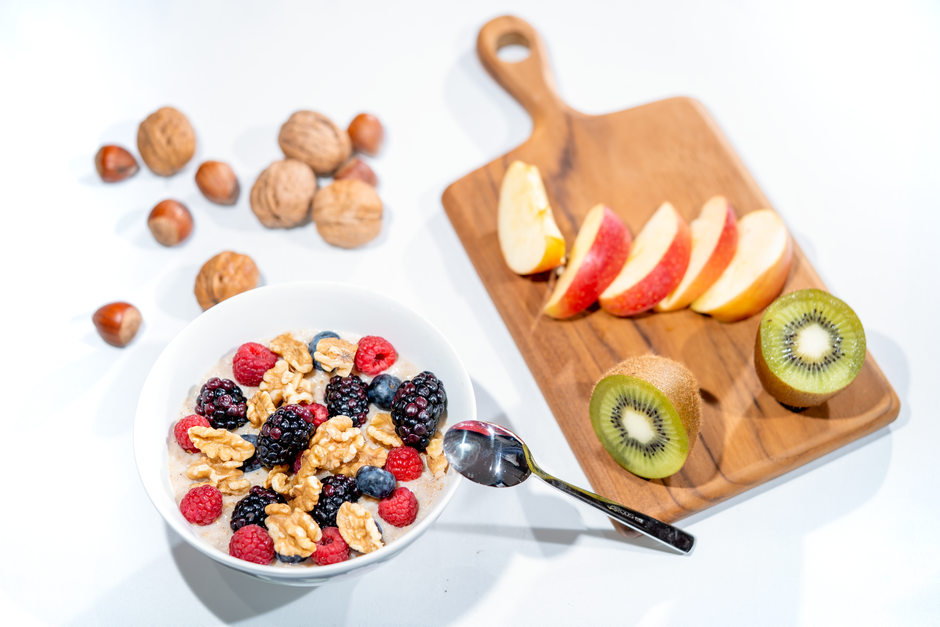
Soluble fiber is found in foods such as oats, beans, lentils, apples, citrus fruit, and barley. Increase it gradually and drink enough fluid so the change is comfortable. Add half a cup of beans to a meal, choose oatmeal several mornings each week, or use fruit instead of a sugary dessert. These are small steps, but they are more dependable than promising to eliminate every food you enjoy.
Know when food changes are not enough
Family history, diabetes, kidney disease, thyroid disease, and inherited lipid disorders can change the level of risk. Lifestyle habits matter, but they do not replace a lipid panel or a clinician’s assessment. If your LDL remains high after consistent changes, ask what treatment is appropriate rather than relying on an unproven supplement.
5. Fix the mistakes that quietly raise risk
The biggest February mistake is treating heart health as a short challenge instead of a monitoring plan. Cutting salt for three days, taking one blood pressure reading, or buying a supplement does not show whether your risk has changed. The useful question is simpler: what can you measure, repeat, and review with a clinician?
Four failure modes to avoid
- Wrong cuff or wrong posture: A cuff that is too small, a crossed leg, a dangling arm, or talking during the reading can distort the result.
- Medication improvisation: Do not halve, skip, or stop blood pressure or cholesterol medicine because one home reading looks better.
- Extreme restriction: A very low-calorie or highly restrictive diet may be hard to sustain and may not fit diabetes, kidney disease, pregnancy, or other medical needs.
- Confusing marketing with evidence: Supplements, “detox” plans, and wearable estimates do not replace validated measurements or prescribed care.
When to seek help quickly
If a nonpregnant adult gets a reading higher than 180 over 120, wait at least one minute and repeat it. If it remains that high, contact a healthcare professional promptly. Call 911 for a reading above 180 over 120 with chest pain, shortness of breath, back pain, numbness, weakness, vision changes, or difficulty speaking, as explained by the American Heart Association. Pregnancy has separate blood-pressure risks and requires pregnancy-specific medical guidance.
6. Questions that decide your next step
Should I focus on blood pressure or cholesterol first?
Focus first on the result that is highest or least understood, then address both with the same basic pattern: DASH-style meals, less sodium and saturated fat, regular activity, adequate sleep, no tobacco, and a medication review when needed. Blood pressure can change from day to day, while cholesterol is usually assessed through a blood test and a broader risk review.
Should I buy a smartwatch to measure blood pressure?
No. Do not buy a wearable as your main diagnostic tool. The 2026 AHA blood-pressure guidance advises against relying on cuffless devices, including smartwatches, until they show better precision and reliability. If home monitoring is appropriate, choose an automatic upper-arm cuff and ask a healthcare professional to check its accuracy and fit.
What is the best first move this February?
Choose one measurable routine: eat a DASH-style dinner five nights each week, walk briskly for 30 minutes on five days, and keep a seven-day blood-pressure log using correct technique. Bring that log, your medication list, and your questions to a clinician. For most readers, that is the clearest first step because it produces useful information while improving the habits that support both blood pressure and cholesterol.
Always consult a qualified healthcare professional before making health-related decisions.