
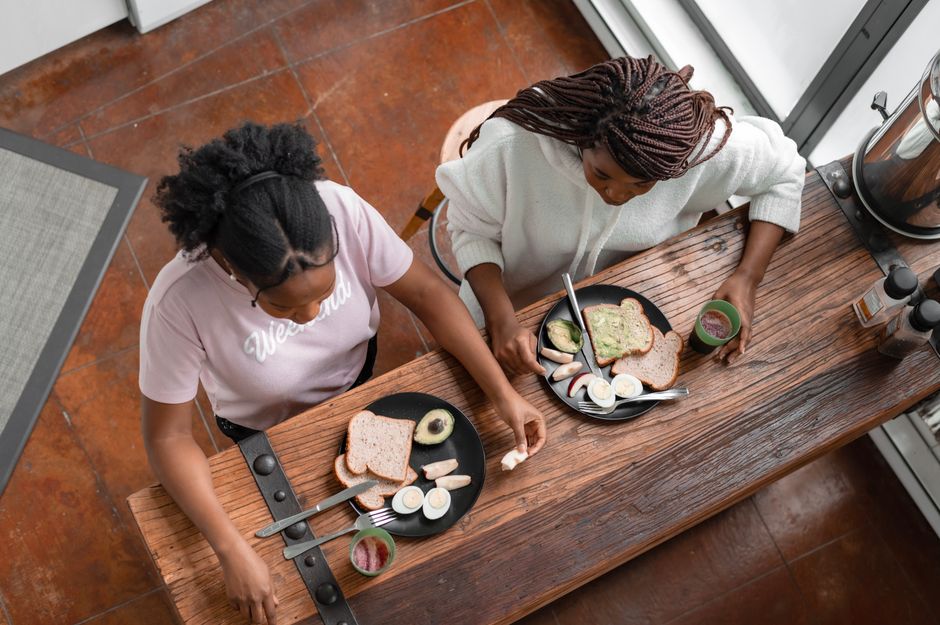
The most reliable way to eat more plants in May is to add one vegetable or legume to each meal you already eat. Do not begin with a strict diet rule. Begin with a repeatable plate rule: include a vegetable at breakfast, a legume at lunch, and two plant foods at dinner. This approach keeps the change practical, affordable, and easier to maintain after spring ends.
May can provide fresh peas, asparagus, spinach, lettuce, radishes, spring onions, and herbs in many regions, but seasonal produce is not a requirement. Frozen vegetables, canned beans, dried lentils, and jarred tomato products still count. The goal is a stronger pattern, not a perfect shopping basket.
Why May Is the Right Time to Increase Plant Foods
The clear verdict is simple: use May as a 31-day practice period, not as a deadline for becoming fully plant-based. A month gives you enough meals to test routines, but it does not force an all-or-nothing identity. That matters because the hardest part of a food change is usually not knowing what is healthy. It is making the healthy choice easy when you are hungry, busy, or short on ingredients.
Use addition instead of restriction
Adding plants changes the structure of a meal without requiring an immediate ban on foods you already enjoy. Stir spinach into eggs, add lentils to tomato sauce, put shredded cabbage beside tacos, or mix peas into rice. These small additions increase variety and can make a familiar meal more filling.
A useful starting point is the half-plate rule: aim for roughly half of lunch and dinner to come from vegetables or fruit, then use the rest for a protein source and a starch or grain. This is a visual guide, not a medical prescription. Soup, stew, pasta, and sandwiches may not fit the plate neatly, so use the same idea by adding a plant component to the bowl or filling.
Build a fiber ladder
Legumes such as beans, chickpeas, peas, and lentils contain fiber as well as plant protein. If your current diet contains little fiber, increasing portions too quickly can lead to gas, bloating, or uncomfortable fullness. Start with two tablespoons of beans or lentils, move to one-quarter cup, and then work toward one-half cup as your body adjusts.
Drink fluids throughout the day and increase only one major fiber source at a time. The practical win is consistency. A person who eats one-quarter cup of lentils four times per week may gain more from that routine than from buying a large bag of unfamiliar ingredients and abandoning it after two meals.
May is useful because spring produce can make this experiment feel fresh, but the underlying habit works in every season. Frozen green beans in January and canned tomatoes in August serve the same planning purpose.
Which Pantry Shortcuts Make Plant-Heavy Dinners Easier?
For busy dinners, canned and frozen foods are the best shortcuts because they reduce preparation time without removing vegetables or legumes from the meal. Fresh produce has a place, but a plan that requires washing, peeling, soaking, and chopping every night will break under pressure. The recommendation is to keep at least two shelf-stable legumes and two frozen vegetables available at all times.
Five practical products to keep in rotation
- Goya Black Beans: a 15.5-ounce can usually provides about three servings after draining. A rough 2026 U.S. shelf range is $1.25 to $2.00 per can. They are the best budget choice for tacos, rice bowls, and quick soup.
- Bush’s Best Garbanzo Beans: a 15-ounce can supplies roughly 1.5 cups of chickpeas. Typical prices range from $1.50 to $2.50. They work well in salads, curries, and sheet-pan meals.
- Bob’s Red Mill Red Lentils: the 27-ounce bag cooks quickly without soaking. A typical shelf range is $4.50 to $7.00. Red lentils are the clear winner for thickening soup or tomato sauce in under 25 minutes.
- Birds Eye Steamfresh Broccoli Florets: the 10.8-ounce steamable bag is useful for one or two portions and often costs about $2.00 to $3.00. It is the fastest vegetable side for a weeknight dinner.
- Eden Organic No Salt Added Chickpeas: the 15-ounce can is a useful option for people who want a no-salt-added product, with prices often near $2.50 to $3.50. Rinse and season it yourself for more control.
Prices vary by store, region, promotions, and package size, so treat these as rough examples rather than fixed figures or endorsements. The food does not need to carry an organic label to support a healthy meal. A less expensive can that you actually use is the better purchase.
Turn shortcuts into a complete dinner
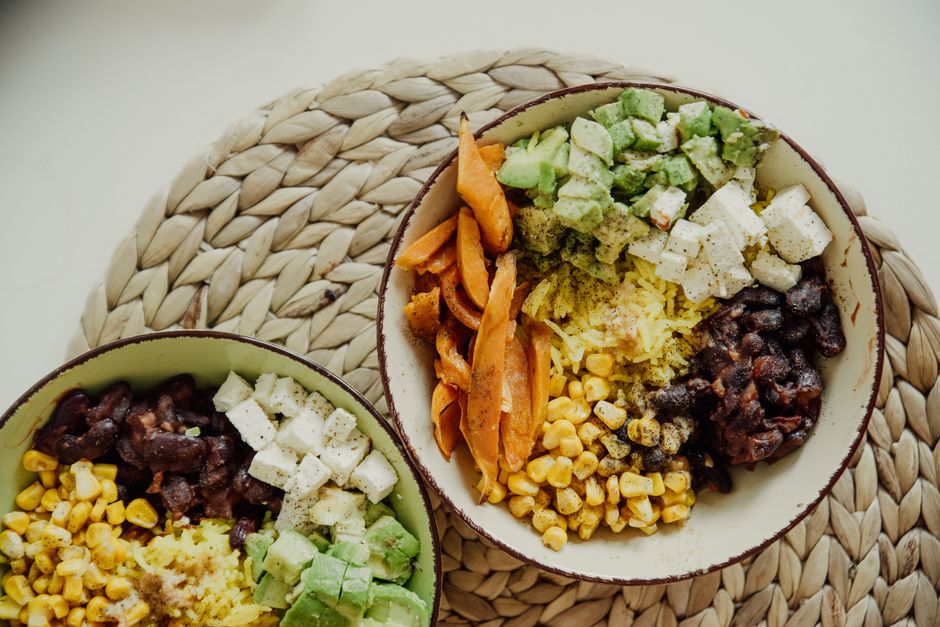
Combine one legume, one frozen vegetable, and one fast cooking base. For example, warm black beans with cumin and salsa, add steamable broccoli, and serve the mixture over rice. Or simmer red lentils with canned tomatoes, garlic, and spinach. A spoonful of yogurt, grated cheese, chopped herbs, or toasted seeds can finish the dish.
Rinse canned beans under running water if you want to reduce surface sodium and improve their texture. If you buy frozen vegetables, steam them only until tender. Long cooking can make them watery, which is a texture problem rather than a nutrition failure.
Do You Need Special Equipment or a Meal Kit?
The best purchase for eating more plants in May is no purchase at all until you have repeated three plant-forward meals. A sharp knife, one saucepan, one sheet pan, and a container for leftovers cover most of the work. Expensive equipment can make cooking pleasant, but it cannot solve an unclear meal plan.
Do canned legumes count as a good choice?
Yes. Canned beans and chickpeas are ready to use, and their main tradeoff is sodium, texture, and packaging rather than a failure to qualify as plant food. Rinse them when practical, then season the meal yourself. Dried legumes cost less per serving and allow more control over texture, but they require soaking or longer cooking. For a first May routine, canned is the better choice because convenience increases the chance that the food reaches your plate.
When should you choose frozen vegetables?
Choose frozen vegetables when fresh produce is expensive, spoils before you use it, or requires more preparation than your schedule allows. Frozen peas, spinach, broccoli, and mixed vegetables can go directly into soups, rice dishes, pasta, and stir-fries. Fresh vegetables win for salads and crisp textures. Neither option automatically makes a meal healthy; the strongest choice is the one you can prepare and eat consistently.
Do you need a blender, meal kit, or subscription?
No. A blender may help with soups or smoothies, and a meal kit may reduce planning, but both add cost. Buy one only after you can name the specific problem it solves. If the problem is forgotten produce, buy smaller quantities. If the problem is a lack of dinner ideas, write four repeatable formulas on a note. A written plan usually has a better return than another appliance.
A Seven-Day May Plan That Makes the Habit Stick
The strongest seven-day plan repeats ingredients while changing the format. That limits waste and gives you enough variation to stay interested. Use the schedule below as a starting point, then repeat the meals that felt easiest.
Follow this one-week sequence
- Day one: Add berries and ground flax to breakfast, black beans to lunch, and broccoli beside dinner.
- Day two: Make savory toast with white beans and tomato, then eat lentil soup for lunch.
- Day three: Prepare an oat bowl, a chickpea pita, and a rice bowl with frozen vegetables.
- Day four: Use leftover beans in a breakfast wrap, peas in pasta, and spinach in a tomato sauce.
- Day five: Make a baked potato with broccoli and chickpeas, then use the remaining vegetables in an omelet or tofu scramble.
- Day six: Cook red lentils with tomatoes, carrots, and spices. Save two portions for later.
- Day seven: Review the week and choose three meals to repeat. Shop only for the ingredients those meals require.
Measure success by repeatability
A successful week does not require seven perfect days or a fully plant-based menu. It means you found two breakfasts, two lunches, and two dinners that fit your schedule. Keep those six meals in rotation for the rest of May and change only one ingredient at a time.
Write down which foods caused waste, which portions felt comfortable, and which flavors made vegetables easier to eat. That record gives you better information than a short-lived challenge. No state laws are discussed on this health page. This is general nutrition information, not personal medical care. This is not legal advice — consult a licensed attorney.
By June, the useful result should be a small personal system: a few dependable legumes, several vegetables you enjoy, and meal formulas that work on ordinary weekdays. That system can expand with the seasons, making eating more plants a lasting part of the year rather than a May-only project.
Always consult a qualified healthcare professional before making health-related decisions.