
It is Monday morning. Your suitcase is still open, the holiday snacks are on the kitchen counter, and the first work meeting starts in 20 minutes. Breakfast becomes coffee. Lunch becomes a takeaway. By Thursday, you decide to start again next Monday.
That cycle is not a character flaw. Summer changes meal times, food access, sleep, and social plans. A useful reset brings structure back without trying to erase every enjoyable meal. The goal is a repeatable weekday system, not a punishment plan.
Why summer habits feel harder to reset than expected
Your appetite clock moved
Late dinners, restaurant portions, alcohol, ice cream, and irregular sleep can shift the cues that normally tell you when to eat. You may not feel hungry at breakfast, then become ravenous at 4 p.m. That pattern often leads to fast food or grazing because the decision is made when your energy and patience are already low.
The fix is not a dramatic cleanse. Use three eating anchors for seven days: a first meal within two hours of starting your day, a planned midday meal, and an evening meal that ends at least two hours before bed when possible. Add a snack only when the gap between meals is long or you are genuinely hungry. The NHS balanced-diet guidance also supports variety across fruit, vegetables, starchy foods, protein, and dairy or fortified alternatives.
Restriction creates a rebound
A common mistake is declaring every holiday food off-limits. That rule makes ordinary foods feel like contraband, then one biscuit turns into an entire evening of eating. A better reset removes friction from useful choices while keeping treats available in deliberate portions.
For the first week, change the environment rather than relying on willpower. Put fruit where you can see it, keep a protein option ready, wash vegetables when you unpack groceries, and buy only one treat that you actually want. You are rebuilding decisions at the point of use. That is more reliable than promising to be perfect for 30 days.
Build a seven-day reset around meals you can repeat
The three-part plate rule
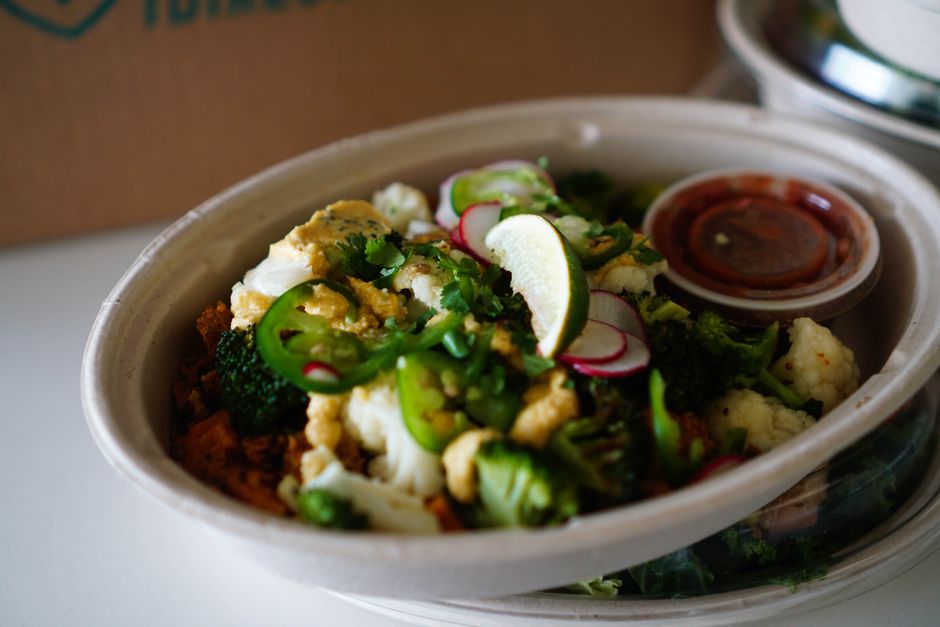
At lunch and dinner, start with three parts: half vegetables or fruit, one quarter protein, and one quarter a higher-fibre carbohydrate. Add a small amount of fat for taste, such as olive oil, avocado, nuts, seeds, or a dressing. This is a planning frame, not a demand to weigh every ingredient.
- Choose the anchor: Pick chicken, eggs, beans, lentils, tofu, fish, or yogurt before deciding on sides.
- Add colour: Use two vegetables or one vegetable plus fruit. Frozen produce counts and often reduces waste.
- Add a filling carbohydrate: Try potatoes, oats, brown rice, whole-grain bread, or whole-wheat pasta.
- Set the portion before sitting down: Serve food onto a plate instead of eating from a packet or delivery container.
- Plan the next meal immediately: Put tomorrow’s breakfast or lunch where you can see it before you clean up.
Use a minimum version for busy days
Your backup meal should need five minutes or less. A useful example is a whole-grain wrap with canned tuna or beans, bagged salad, and yogurt; another is microwave rice with frozen vegetables and two eggs. The point is not culinary ambition. The point is stopping a late meeting from becoming an automatic takeaway order.
Make two portions when you cook dinner. Label one for lunch and keep a shelf-stable option in your desk or car. If your diet requires special medical adjustments, or if you have diabetes, kidney disease, an eating disorder, food allergies, or another condition, ask a registered dietitian or clinician for a personal plan.
What a weekday eating schedule should actually look like
A realistic five-day template
The strongest schedule is boring enough to repeat and flexible enough to survive real life. The times below are examples, not medical targets. Move them around your commute, childcare, training, or shift pattern.
| Time | Purpose | Simple structure | Failure check |
|---|---|---|---|
| 7:30 a.m. | Breakfast | Protein plus fibre, such as oats with yogurt and berries | Do not rely on coffee alone if it causes a 10 a.m. crash |
| 12:30 p.m. | Lunch | Vegetables, protein, and a starch in a bowl, wrap, or leftovers | Pack it before bed instead of choosing while hungry |
| 3:30 p.m. | Optional snack | Fruit with nuts, yogurt, or hummus with vegetables | Skip it if lunch was late and hunger is low |
| 7:00 p.m. | Dinner | Half vegetables, a protein source, and a satisfying carbohydrate | Keep one freezer meal for nights when cooking will fail |
Why the schedule beats a perfect menu
A menu tells you what to eat once. A schedule tells you when to make the decision. That difference matters after a holiday because the problem is often not a lack of nutrition knowledge; it is decision fatigue. The USDA MyPlate planning guidance recommends planning breakfasts, lunches, dinners, and snacks around foods you have, foods your household enjoys, and foods that fit the budget.
Keep the template stable while changing flavours. Use beans and salsa on Monday, salmon and potatoes on Tuesday, tofu noodles on Wednesday, and leftovers on Thursday. Friday can include restaurant food without turning into a lost weekend. The verdict is clear: repeatable timing is more valuable than a complicated seven-day recipe calendar.
Which convenience foods earn a place in the reset
Compare cost, protein, fibre, and use
Packaged food is not automatically a problem. The useful question is what job it performs and what the label gives you for the price. Shelf prices vary by store and region, so the figures below are approximate U.S. prices in 2026 rather than promises.
| Product | Typical pack | Useful label detail | Approximate price | Best use |
|---|---|---|---|---|
| Chobani Plain Non-Fat Greek Yogurt | 32 oz tub | About 16 g protein per 170 g serving | $6.49 | Breakfast base or snack |
| Dave’s Killer Bread 21 Whole Grains and Seeds | 27 oz loaf | About 5 g protein and 5 g fibre per 2 slices | $6.49 | Fast toast or sandwiches |
| Bob’s Red Mill Old Country Style Muesli | 40 oz bag | Whole-grain oat and fruit mix; check added sugar on the label | $8.99 | Breakfast with yogurt or milk |
| RXBAR Chocolate Sea Salt | 1.83 oz bar | 12 g protein; dates provide much of the sweetness | $2.29 | Emergency snack, not a full meal |
The clear winner for most weekdays
For a low-effort breakfast, Chobani Plain Non-Fat Greek Yogurt is the best pick in this group because one tub creates several servings and supplies a defined protein amount without requiring cooking. Add fruit and oats or muesli for a more complete meal. Dave’s Killer Bread wins for rushed lunches because two slices turn eggs, tuna, beans, or leftovers into food you can carry.
RXBAR is useful when the alternative is skipping food until dinner, but its roughly $2.29 price is poor value as a daily meal replacement. Buy it for travel or an unusually long day. Do not buy a protein bar simply because its wrapper uses words such as natural or clean. The label and your actual use matter more than the front of the packet.
This is not financial advice. There is no APR or approval promise attached to a grocery reset; the relevant numbers are cost per serving, protein, fibre, added sugar, sodium, and how often the food prevents an expensive last-minute meal.
The best reset is the one that survives next Monday

My verdict: reset healthy eating habits after summer with three meal anchors, a simple plate structure, one emergency meal, and a short grocery list; do not start with a detox, a severe calorie cut, or a cabinet full of expensive wellness products, because those choices create rules that collapse as soon as work becomes busy or sleep runs late.
Start with breakfast, lunch, dinner, and one optional snack for seven days, then review the only numbers that matter: how often you cooked or assembled food at home, how often you felt uncomfortably hungry, how much food went to waste, and how much you spent on unplanned meals; this gives you a cleaner signal than a dramatic weigh-in after a week of changed water and salt intake.
By the following Monday, the open suitcase can still be in the corner, but breakfast no longer depends on motivation, lunch is already packed, and the holiday snacks have become one planned choice instead of the background of every meal; that is a real reset because it restores control without pretending summer never happened.
Keep the parts that worked, replace the parts that did not, and let the routine get ordinary; ordinary food made at predictable times will beat a perfect plan that requires a fresh burst of discipline every morning.
Always consult a qualified healthcare professional before making health-related decisions.